**The Fury Regarding AI-Created Plagiarism in Japan’s Indie Game Sector**
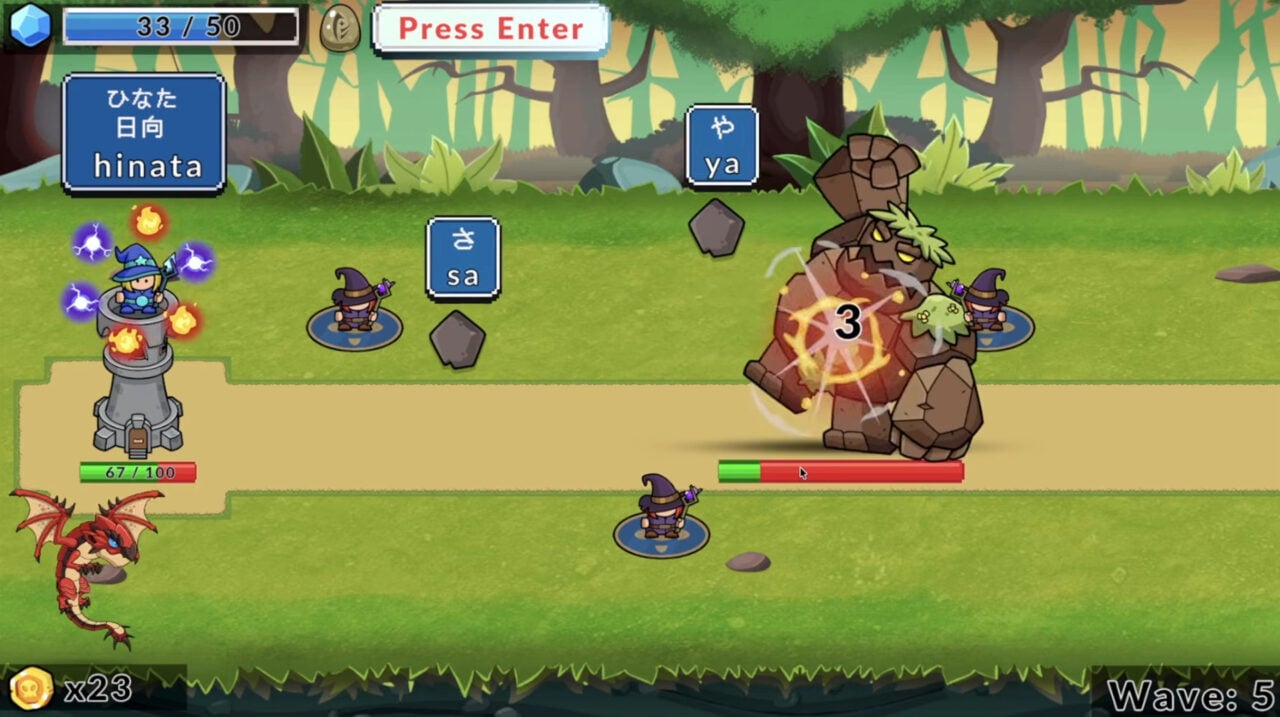
In a notable event within Japan’s indie gaming landscape, an AI-created imitation of an unfinished game has triggered a surge of anger among developers, igniting conversations about the dangers linked to sharing development work online. The original game, named *Typing Room*, is being crafted by a content creator known as Kamaboko. After revealing an initial glimpse of the game’s progress on February 26, it was plagiarized, and another iteration, also titled *Typing Room*, was uploaded to Unityroom—just days later on March 4—by someone using the alias “Kamaboko Kōsatsu Kōsatsu.”
Kamaboko has been working on *Typing Room* for roughly a month, and the swift emergence of the plagiarized version has raised significant worries about the implications of AI in the creative realm. The imitation version, though free to play, holds the potential to earn ad revenue, causing concern from Kamaboko and other indie developers regarding the safety of their creations in the digital space.
In a bewildering defense of their conduct, Kamaboko Kōsatsu Kōsatsu uploaded a YouTube video where they confessed to creating the plagiarized game with AI, using Kamaboko’s videos and user guides as references. They asserted that the whole procedure took merely two days, belittling Kamaboko’s commitment as “lazy” for taking longer to develop their game. Additionally, the uploader defended their actions by citing Kamaboko’s previous usage of official *Palworld* and *Pokémon* assets for a fan project, portraying their plagiarism as a sort of “revenge.”
The incident has incited substantial backlash within the indie development community. A discussion thread on the social media platform X underscored the community’s grievances, especially about the lenient regulations concerning AI-generated content on sites like Unityroom. Developers voiced their concerns that such overt imitation could go unpunished and worried about the consequences of publicly sharing their ongoing work. Significantly, indie developer Strawberry Sakura expressed a feeling of hopelessness, stating that sharing early-stage projects can result in theft, emphasizing the emotional burden it imposes on creators.
As the debate unfolds, this incident prompts critical inquiries about intellectual property, the ethics of AI-generated material, and the potential effects on the creative ecosystem. The simplicity with which derivative pieces can be created through AI tools presents a challenge for original creators, as the distinction between inspiration and plagiarism becomes ever more obscured. As the indie game community confronts these dilemmas, it remains to be determined how they will adjust to safeguard their work and cultivate a more secure atmosphere for creativity.