**The Evolution of Genre Labels in Video Games: A Reflection on Eurojank and Its Implications**
In the world of video games, genre labels often carry connotations that extend beyond mere classification, sometimes serving as tools of derision. This phenomenon is particularly evident in the terms used to describe various game styles, each of which can provoke discussions about identity, quality, and cultural origins. Among such terms are “JRPG,” “walking sim,” and “Eurojank,” each of which has been utilized to categorize games and their developers, often in ways that imply inferiority or otherness.
**The Pejorative Origins of Genre Labels**
The term “JRPG,” which stands for Japanese Role-Playing Game, has historically been used to define a specific subset of role-playing games that originate from Japan. However, as the genre has evolved, so too has the discourse surrounding it. Once wielded as a derogatory term, especially in Western contexts, it has evolved into a term of endearment for fans who appreciate the unique storytelling and gameplay mechanics characteristic of these games.
Similarly, the label “walking sim” emerged as a descriptor for games that prioritize exploration and narrative over traditional gameplay mechanics. While the term accurately reflects the nature of these games, it was initially employed with an ironic undertone, suggesting an absence of action or depth. Despite this, many players have come to embrace the emotive storytelling and atmospheric exploration that these games offer.
**Understanding Eurojank**
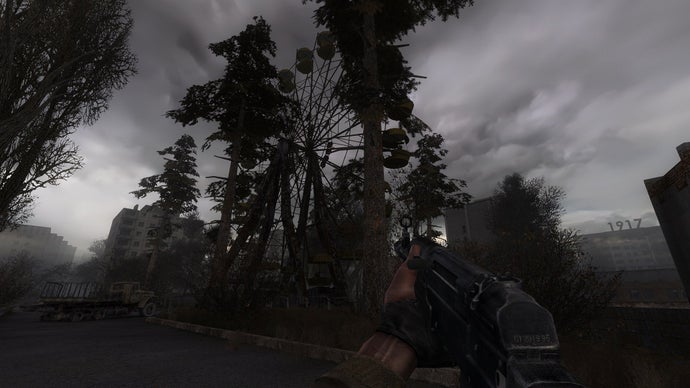
“Eurojank,” on the other hand, represents a more peculiar case as it describes a subgenre of games known for their ambition coupled with notable technical imperfections, primarily produced by European developers. This term has sparked considerable debate within the gaming community, raising questions about the credibility of games produced outside major Western markets. Andrii Verpakhovskyi, a designer involved in the creation of the original *Stalker* titles, has criticized the label, arguing that it unfairly pigeonholes games and overlooks the artistic merit they contain.
In a conversation with Edge magazine, Verpakhovskyi reflected on his experiences with games developed by Troika Games, such as *Vampire: The Masquerade – Bloodlines* and *Arcanum*. He emphasized that despite their janky qualities, these games exuded a distinctive soul and creativity, undermining the notion that only European developers create flawed experiences while their American counterparts produce polished titles.
**Cultural Context in Game Development**
Verpakhovskyi’s perspective also highlights a significant point about the diversity of the gaming industry. He noted that the developers behind *Stalker* were largely new to the field and lacked formal training in engineering or artistic disciplines. This absence of a traditional development foundation contributed to the unique characteristics of the games, which, rather than being categorized by a rigid framework of quality, should instead be recognized for their innovation and cultural expression.
The label “Eurojank,” according to Verpakhovskyi, detracts from a deeper understanding of the context in which these games were birthed. He reflects on how developers did not see themselves as functioning within a distinct European style; rather, they were motivated by the same inspirations as their counterparts across the globe, drawing from Japanese and American influences alike.
**Rethinking Genre Labels**
The discussions surrounding genre labels like JRPG, walking sim, and Eurojank invite us to reconsider how we approach and understand games from different regions. The potential for rich storytelling and innovative gameplay exists across all cultures, and as players, we can benefit from broadening our perspectives. As Verpakhovskyi suggests, it is worth pondering the implications of our labels and how they can reinforce stereotypes or marginalize certain gaming experiences.
In conclusion, understanding the evolution of genre labels in video games reveals much about cultural perceptions, industry standards, and the art of game development. By embracing the complexity and diversity inherent in these labels, gamers can cultivate a more inclusive appreciation for the myriad experiences offered by games around the world, regardless of their origin or perceived flaws.