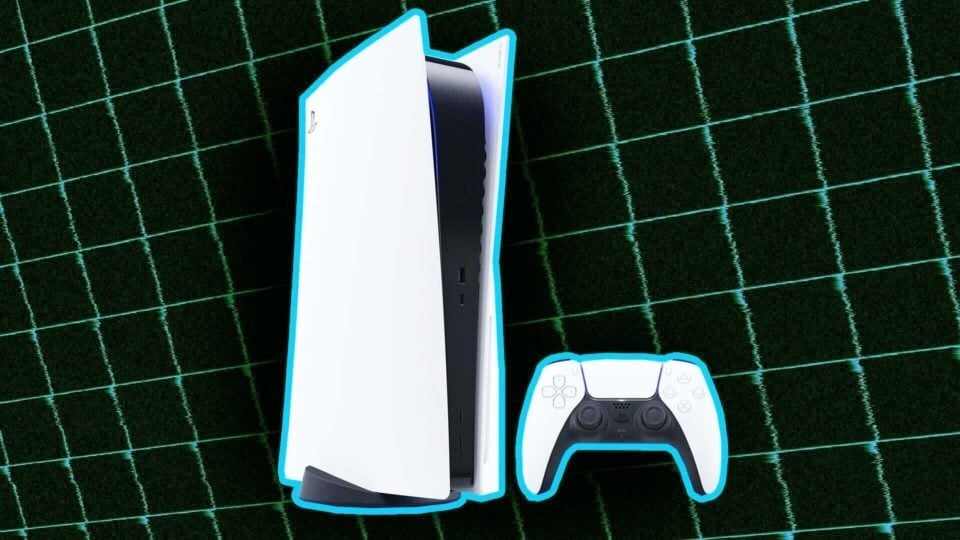
**Unprecedented Price Hikes: The PlayStation 5 Disc Edition Launches at $650**
Later this week, the disc version of the PlayStation 5 (PS5) will hit the market at a staggering price of $650. Although this may not be the highest price Sony has ever set for a new console, it indicates a notable shift from their previous pricing tactics, particularly since this equipment was first introduced over five years ago.
The recent price increases are without precedent, challenging expectations. Some gaming fans have attempted to rationalize these hikes by drawing comparisons to the launch costs of former console generations. For instance, after adjusting for inflation, the initial PlayStation debuted at a cost comparable to $642 today, and the launch price of the first PlayStation 3 model soared to an astonishing $966 in current dollars. However, while these comparisons provide context, they do not fully capture the intricate dynamics of the console market.
Traditionally, buying a new gaming console at launch has been regarded as a luxury; however, competitive pressure from firms like Nintendo, Sega, and Microsoft has usually led to swift price reductions shortly after a console’s release. By the halfway mark of each console cycle, Sony’s pricing tactics had frequently reduced the original price by several hundred dollars, making gaming hardware much more accessible.
The PS5 pricing framework starkly contrasts with previous trends. A chart depicting historical price patterns of PlayStation consoles would display a steady decline. Yet, the current pricing trend for the PS5 mirrors a horseshoe, diverging from the established pattern. During the PlayStation 4 cycle, price cuts were restricted to two significant $50 decreases that took place in rapid succession. This period represented a move away from bold price reductions, likely due to diminished manufacturing cost savings and increased market control that permitted Sony to sustain higher prices for an extended duration.
The PS5’s launch coincided with a global pandemic and major supply chain obstacles, exacerbated by soaring inflation and tariffs impacting one of Sony’s primary gaming markets. Despite these challenges, if Sony had kept the initial PS5 price at $500 throughout its lifespan, inflation alone could have provided a form of savings for consumers who opted to delay their purchase. Instead, following a $50 hike last year, the price for the disc version is expected to increase by another $100 this week. As a result, this holiday season, consumers will effectively pay more for the PS5 than what was charged for the original PlayStation at its launch.
Elements such as the persistent RAM shortage, trade conflicts, and Sony’s assessment that dedicated gamers will invest in the console for highly anticipated titles like *Grand Theft Auto 6* this fall are all factors driving these price adjustments. With the competition diminishing—Microsoft has markedly withdrawn from the hardware scene, while the highly anticipated Switch 2 is prioritizing computational power without immediate consumer availability—Sony encounters reduced market pressure to offer a more budget-friendly version of the PS5.
While a luxury gaming device might be a lucrative endeavor for Sony, it raises questions about the overall vitality of the console gaming market, which is presently facing stagnation. This alteration in pricing strategy could risk alienating a considerable segment of its consumer base, making it crucial for Sony to reevaluate its pricing strategy for the next generation of gaming consoles.