# Nintendo’s Challenges Against Pocketpair: A Patent Dispute Over Palworld
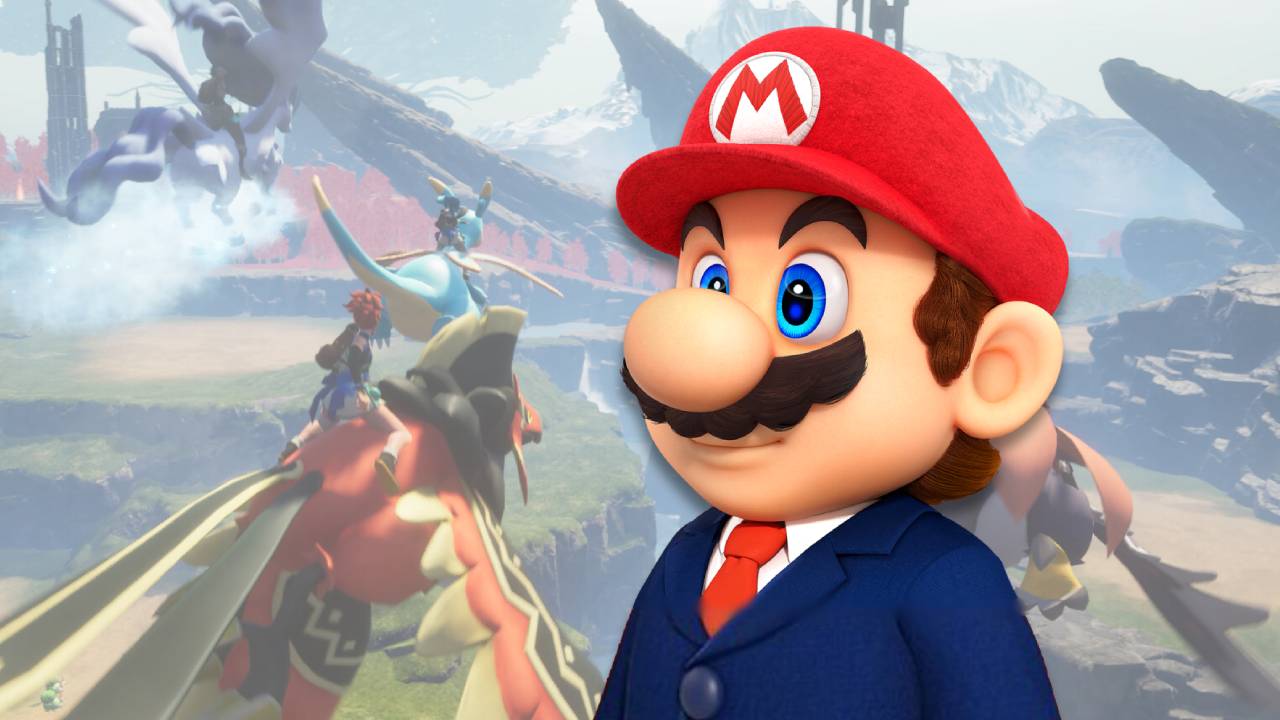
Nintendo’s efforts to challenge *Palworld*, developed by Pocketpair, in patent litigation have encountered notable obstacles. Traditionally, the gaming giant has triumphed in legal confrontations, but recent developments suggest a struggle in their attempts against what they view as clear infringement.
### The Patent at the Center
This legal contention revolves around Nintendo’s patent #12,403,397, awarded by the United States Patent and Trademark Office (USPTO) in July of last year. This patent permits Nintendo to take legal action against companies that develop video games allowing players to summon characters for combat, imposing extensive limitations that could hinder innovation in the gaming sector. The patent was designed to prohibit the summoning of “sub-characters,” which could have implications for numerous game mechanics.
### Rejection by the USPTO
After several months, the scenario shifted when a U.S. patent examiner dismissed Nintendo’s character summoning patent, deeming it “obvious.” This dismissal followed an important realization by the USPTO, which uncovered earlier patents filed by Konami, Bandai Namco, and even Nintendo that should have prevented the acceptance of the patent at hand.
### Consequences of the Ruling
The USPTO’s latest report suggests a “non-final Office action,” implying Nintendo has the right to contest this determination within two months, with the potential for extending that period. Despite the evident issues with the patent, the intricate nature of patent law leaves the possibility of a ruling against Nintendo remaining unchallenged.
### Patent Trolling and Legal Tactics
Nintendo’s behavior can be viewed as a variant of patent trolling, launching lawsuits to utilize patents against Pocketpair due to the evident resemblances between *Palworld* and *Pokémon*. With *Palworld* boldly inspired by the legendary franchise, Nintendo’s tactic has involved filing patents post-release of the game to back prior art assertions.
Nevertheless, reports indicated that Nintendo was suing Pocketpair for a modest $65,000. Furthermore, the patents employed in this endeavor were based on revisions made after *Palworld* was launched, inviting scrutiny from both U.S. and Japanese patent bodies. The Japanese Patent Office also noted that titles like *Monster Hunter 4* and *ARK* had exhibited similar mechanics long before *Pokémon Scarlet* and *Violet*.
### Final Thoughts
As both U.S. and Japanese patent authorities display doubt towards Nintendo’s assertive legal tactics against Pocketpair, it seems the gaming company may be on a difficult path moving forward. While navigating this patent conflict, the resolution may very well dictate not just the future of *Palworld* but could also influence the terrain of character summoning mechanics in video games. As the situation unfolds, it remains to be seen whether Nintendo will modify its approach or persist in its efforts against the indie developer.