**Brian Raffel Departs: Honoring His Impact at Raven Software**
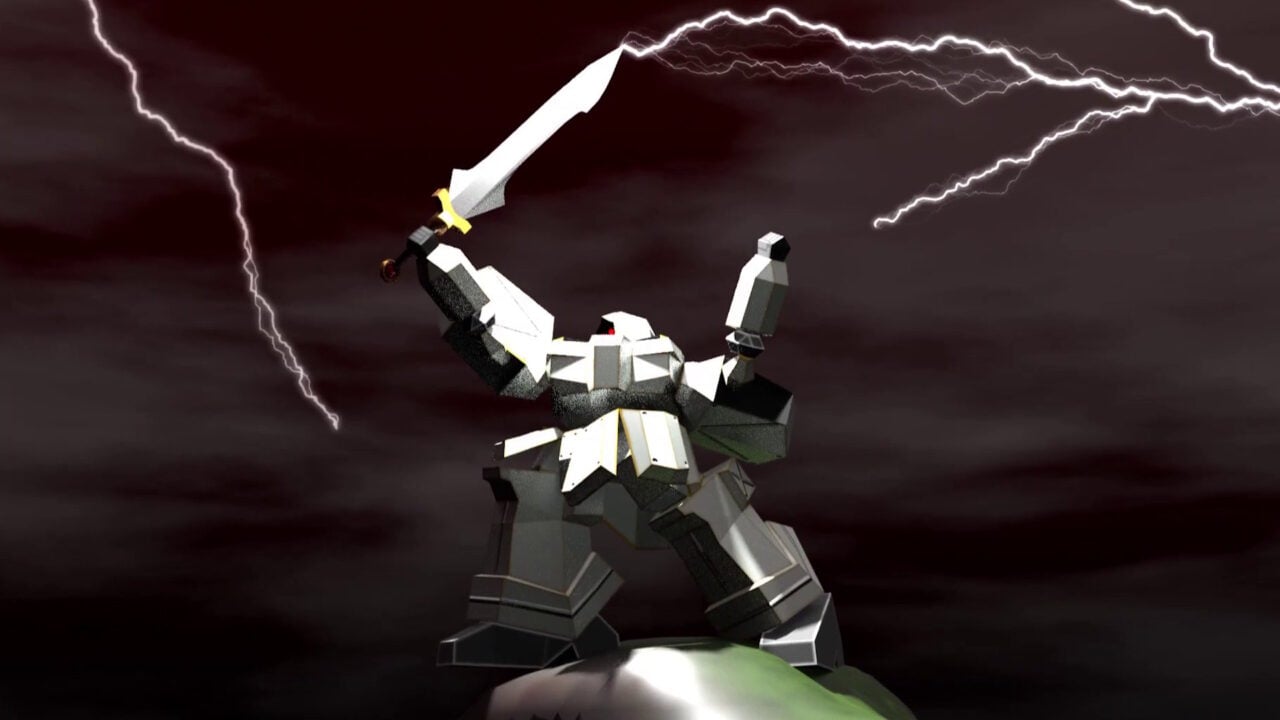
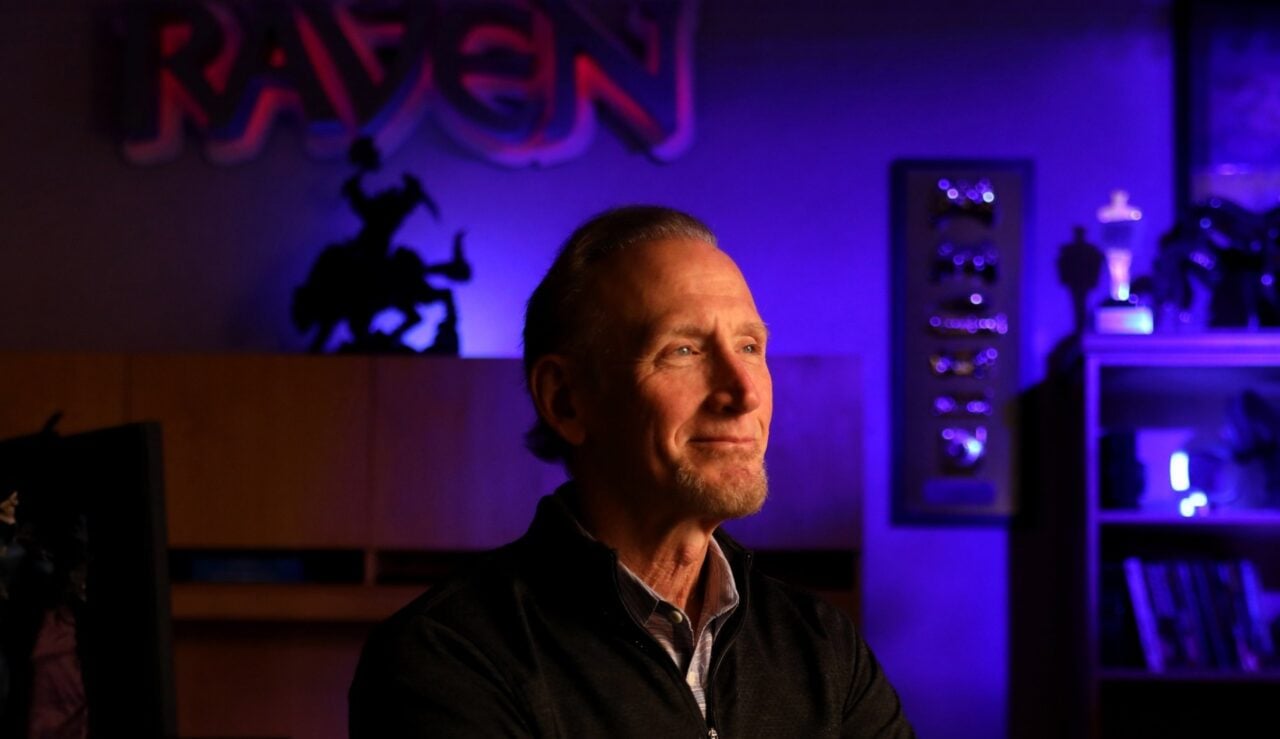
After 36 years leading Raven Software, co-founder Brian Raffel has declared his retirement, signaling the close of a significant chapter for the studio renowned for its groundbreaking games and essential support within the Activision family. While Raven Software is currently most acknowledged for its work on the immensely successful *Warzone* and the yearly *Call of Duty* series, its past is adorned with a variety of significant and impactful titles, ranging from classic fantasy shooters like *Hexen* to cherished licensed games such as *X-Men Legends II: Rise of Apocalypse*.
In an emotional message shared on X on April 2, the studio reminisced about its history, stating, “In 1990, driven by a mutual passion for storytelling, Brian and his brother Steve embarked on a journey to create something of their own. What started as a modest creative endeavor known as *Black Crypt* evolved into something immensely larger.” Over the years, Raffel’s guidance has steered Raven through pivotal shifts in the industry, enabling it to create engaging narratives that have connected with players worldwide.
The announcement encourages fans to explore a detailed history on the Raven Software website, outlining the studio’s growth and its vast array of games. Following the launch of *Black Crypt*, Raven commenced its entry into first-person shooters with Quake engine projects like *Heretic*, *Hexen: Beyond Heretic*, and *Hexen II*. This early output laid the groundwork for the studio’s future achievements. In 1997, Raven was acquired by Activision, further cementing its role in the gaming sector. By 2000, it unveiled *Soldier of Fortune*, a contentious action title noted for its graphic violence, which subsequently made its way to systems like PlayStation 2 and Dreamcast.
Throughout the 2000s, Raven Software became recognized for its licensed games tied to major franchises. Titles such as *Star Wars Jedi Knight: Jedi Academy*, *Jedi Outcast*, *X-Men Legends I* and II, and *Marvel: Ultimate Alliance* highlighted the studio’s talent for capturing the spirit of popular characters and stories, providing captivating gameplay experiences. Nevertheless, the studio’s attempt at original intellectual properties saw its last significant endeavor with 2010’s *Singularity*, a sci-fi horror game that encountered developmental challenges, resulting in a linear campaign that fell short of evolving industry standards.
After exploring original titles, Raven transitioned to a supporting role within the *Call of Duty* franchise, starting with its efforts on *Black Ops*. Gradually, this support evolved from contributions to downloadable content to co-developing *Warzone* and *Black Ops Cold War*. While this shift was essential for the studio’s sustainability, it has since shaped Raven’s identity for the gaming community. “I believe we have a very diverse and highly successful portfolio,” Raffel shared in a *US Gamer* interview in 2014. “Moreover, our capacity to adapt and not get complacent with our own success is why we’ve thrived for 25 years.”
As Brian Raffel steps away, the gaming realm contemplates his profound legacy at Raven Software and the studio’s contributions that have influenced the gaming landscape over the years. Players and industry colleagues honor his vision and leadership, which not only nurtured creativity and innovation but also left a lasting imprint on the history of video gaming.