### Concerns Grow Among DRAM Suppliers Amidst Falling Memory Prices
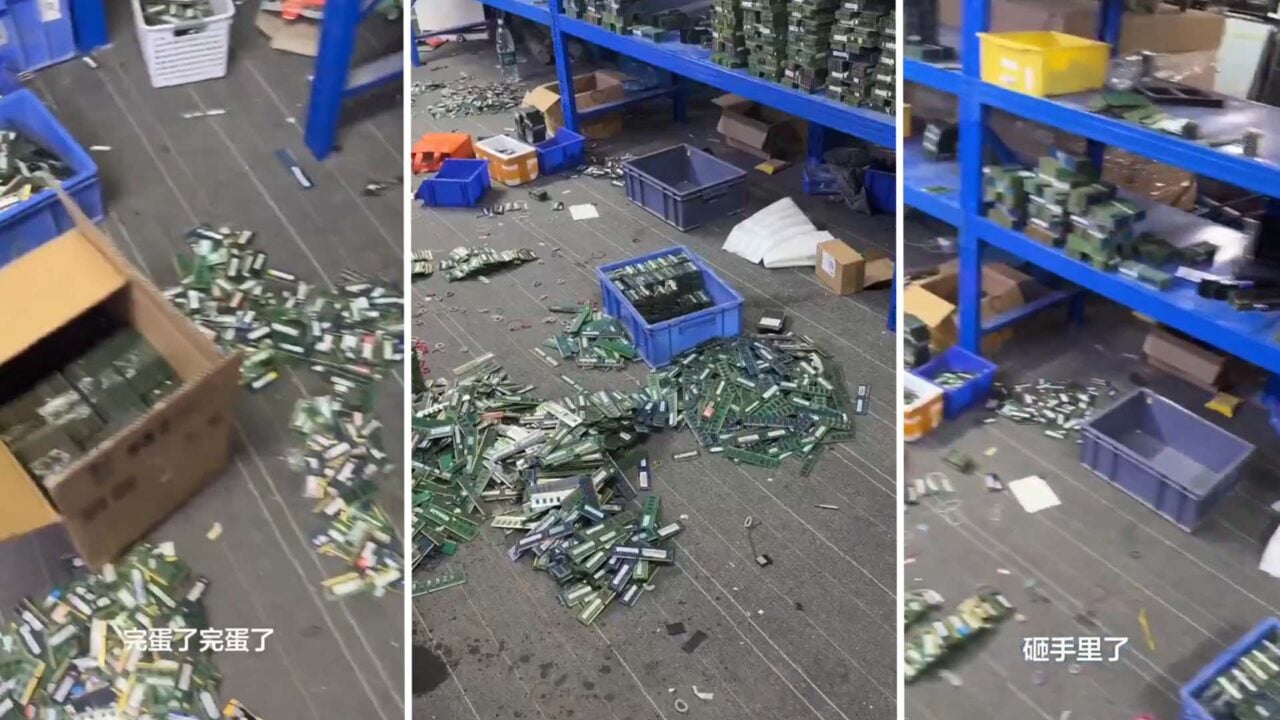
In recent occurrences within the PC component sector, at least one supplier has voiced significant concerns regarding their inventory of DRAM components amid a marked decrease in memory prices. As reported by sources like Kotaku and Wccftech, a video surfaced from a Chinese memory vendor highlighting a warehouse brimming with DRAM chips. This vendor expressed dismay over the recent price drop, claiming, “We’re doomed, we’re screwed. Is there still any chance for the price to recover?”
#### Memory Price Changes
The supplier’s worries arise from a more extensive trend where prices for RAM, including specific offerings from Corsair, have started to decline. For example, some memory modules on Amazon saw a price reduction from around $490 to $380. Although such variations are not uncommon, the potential consequences for bulk purchasers are significant. A less severe price decline may still trigger competitive pricing battles among vendors eager to sell off surplus inventory, potentially pushing prices even further down.
#### The Influence of AI on Memory Demand
This drop in memory prices coincides with the persistent demand fueled by AI advancements, particularly due to substantial investments in datacenter growth by leading tech companies. While the context surrounding RAM scarcity, termed by some as “RAM-aggedon,” remains fluid, it is clear that price fluctuations, even if slight, can significantly affect those who have amassed substantial component stocks.
Experts suggest that recent price reductions may be linked to innovations like Google’s TurboQuant compression algorithm, a technology that purportedly reduces memory needs for various AI applications significantly. While some technology professionals remain doubtful of this assertion, companies are diligently observing trends that could alter their memory utilization.
#### Conclusion
As the marketplace adjusts to these price shifts, the mood among those holding large quantities of DRAM components becomes increasingly anxious. The expectation of a swift price recovery stands in sharp contrast to the possible realities of a volatile market shaped by technological progress and demand fluctuations. For those engaged in the acquisition and distribution of memory components, the situation demands careful scrutiny as further developments arise in the fields of AI and memory technology.