**The Super Mario Galaxy Movie: A Look at Superficial Entertainment**
Games can be incredibly captivating yet still devoid of substance. Numerous titles provide little more than a consistent flow of rewards—loot and experience points—while offering minimal real value. We might acknowledge the temporary satisfaction they offer, similar to indulging in empty calories, and still opt to engage, fully aware that our time could be better allocated to more enriching experiences. This concept resonates strongly when analyzing *The Super Mario Galaxy Movie*, a film adaptation that illustrates this phenomenon.
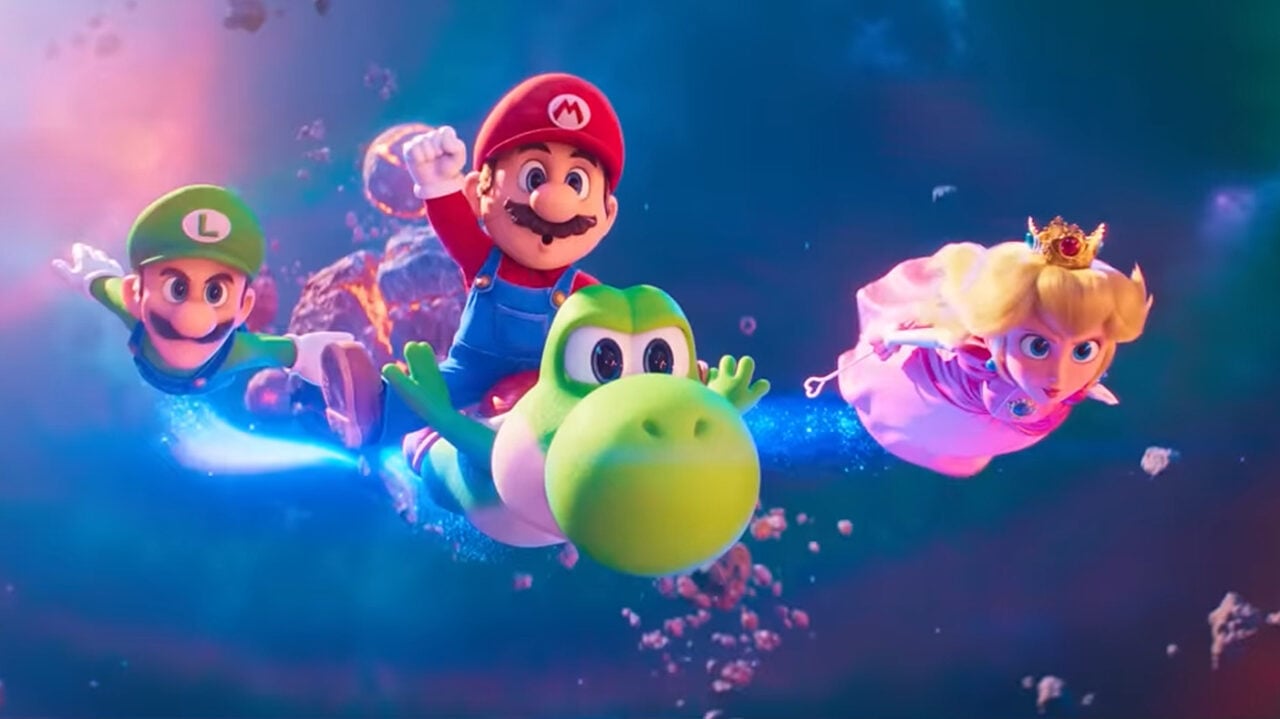
The *Super Mario Galaxy Movie* evokes nostalgia similar to *The Super Mario Bros. Movie*. It presents a multitude of cherished characters, recognizable sound effects, and concealed references intended to delight long-time fans. However, it achieves this without forming a compelling story that meaningfully engages viewers—any sense of stakes, danger, or genuine humor is nearly absent. Instead, audiences are led through a jumble of random scenarios, each serving as a backdrop for lackluster jokes or uninspiring action sequences.
Although the film displays remarkable animation and proficient action scenes—kudos to Illumination, the studio known for the popular *Minions* franchise—these technical successes fail to spark true creativity or originality. Some sequences echo classic films, yet they ultimately lack an individual essence. A noteworthy instance occurs when Princess Peach enters a casino, a setting that cleverly allows characters to walk on walls—a notion reminiscent of classic physical comedy, yet it isn’t sufficient to salvage the overall experience, which feels overly reliant on nostalgia without providing any novel twists.
Moreover, character depictions, such as Wart from *Super Mario Bros. 2*, offer rare flashes of creativity, but most characters remain one-dimensional, depriving viewers of deeper involvement. The film’s eagerness to entertain is evident, as it strives to resonate with audiences through callbacks and memes. For instance, the inclusion of a “Do a barrel roll” reference aims to evoke recognition, yet it feels disingenuous in its delivery.
The disappointing truth is that these films, while linked to the beloved Nintendo franchise, seem misaligned with the philosophy of video game design that usually highlights depth, challenge, and innovation. Shigeru Miyamoto’s role as a producer carries the weight of his historical contributions to gaming, which raises expectations. Games like *Super Mario Bros.* and *The Legend of Zelda* are celebrated not only for their gameplay but also for the richness of experience they provide, prompting players to engage, strategize, and ultimately earn their fulfillment.
Even classic games from the 1980s emphasize challenges that resonate on a psychological level, making every triumph immensely rewarding. In stark contrast, the *Super Mario Galaxy Movie* offers nothing but passive viewing, encouraging audiences merely to relax and absorb the display.
While some viewers defend the film by stating it is “for kids,” this justification neglects the obligation creators have to engage young viewers in a profound way. Children are quickly evolving their perceptions of the world and deserve stories that spark their imagination, ones that challenge them akin to the challenges found in games. Comparing the film to masterpieces like Studio Ghibli’s *My Neighbor Totoro* reveals a more considerate approach to storytelling that honors children’s capacity to process intricate themes and emotions.
A vast wealth of storytelling potential exists within Nintendo’s realm that could uplift future adaptations. The emotional depth of *Super Mario Galaxy*, a game serving as a connection to cosmic themes and philosophical reflections on existence, starkly contrasts with the shallow content presented in the film. Philosophical notions of creation and destruction, seamlessly integrated into gameplay, offer lessons that could augment a cinematic narrative.
As excitement grows for the forthcoming *Legend of Zelda* film, the hope is that filmmakers will delve into the depths found in Miyamoto’s works, shaping a narrative that challenges viewers and provides rewards for their engagement. By intertwining mystery, adventure, and emotional depth, perhaps the filmmakers can invoke the same sense of awe that enchanted generations of gamers. Ultimately, audiences—particularly children—deserve tales that resonate more deeply than a mere succession of references and visuals.