**The Fall of GameStop: A Look at Erroneous Digital Strategy**
Former Stardock business developer Larry Kuperman noted that retailer GameStop once believed the digital distribution of video games was just a “temporary trend,” convinced that physical stores would maintain their supremacy in the sector. This viewpoint starkly contrasts with the present situation, where GameStop is involved in the sale of used items like Funko Pops and Pokémon cards, while shuttering numerous locations and grappling with its primary video game retail operations.
During a recent presentation at the Game Developers Conference (GDC), Kuperman reflected on this flawed notion throughout GameStop’s past. In his capacity as a business developer at Stardock, Kuperman played a key role in the establishment of Drengin, a game web store that transformed into Impulse. This digital marketplace was introduced in June 2008 to counter the rising popularity of Valve’s Steam. Initially viewed as a viable competitor, it was acquired by GameStop in 2011.
The environment surrounding digital distribution was markedly different in the late 2000s. Although Steam was gaining momentum, it was still far from becoming the ubiquitous platform it is now. At that time, digital distribution wasn’t regarded as a substitute for physical game copies. Stardock’s Impulse sought to exploit this emerging market, swiftly drawing in major publishers.
GameStop’s acquisition of Impulse was viewed as a calculated move to secure its future in a transforming industry. However, Kuperman observes that the company failed to take the endeavor seriously. With a management team that felt physical stores would bounce back, GameStop did not adapt to the unavoidable transition towards digital sales. Kuperman humorously remarked that this management mindset resembled a nostalgic perspective of the future, implying they expected it to replicate the past.
By April 2014, GameStop had effectively disbanded Impulse, completely shutting down the platform. As a result, consumers who had bought games through the service lost access to their libraries, highlighting the dangers linked to the retailer’s lack of foresight.
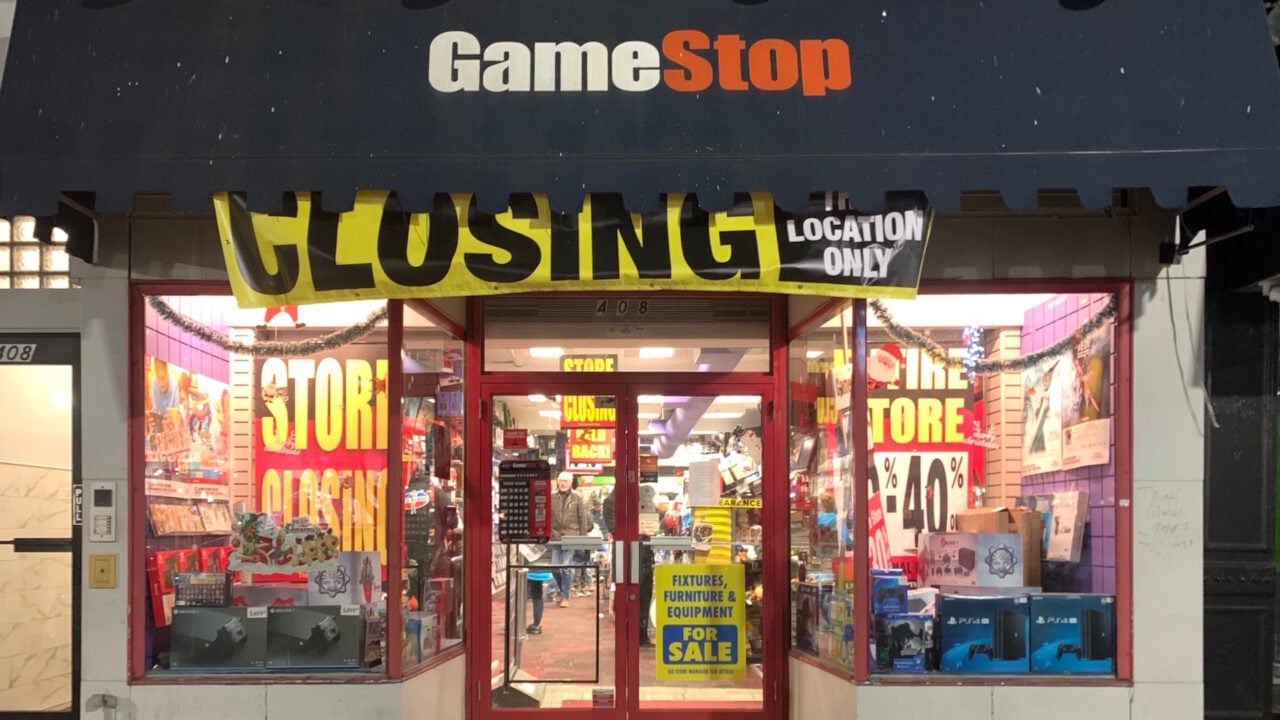
The outcomes of GameStop’s commitment to its brick-and-mortar mindset are evident today. The company has closed more than 1,300 stores since 2024, including 727 shutdowns in 2025 alone. This significant decrease in physical locations highlights the failure of the notion that brick-and-mortar gaming retail would witness a revival.
As GameStop redirects its focus away from conventional video game sales, it is evident that the industry’s landscape has transformed. The growth of digital distribution continues to alter consumer preferences and retail approaches, compelling companies like GameStop to reassess their role in a predominantly digital marketplace. Ultimately, this stands as a cautionary narrative of how resistance to change can result in profound repercussions in a continually evolving industry.