**YouTube’s Copyright Claim Crisis: The La7 Controversy**
YouTube’s persistent battle with copyright misuse has intensified significantly, highlighted by a recent issue involving Nvidia and the Italian network La7. Numerous YouTube channels, including Nvidia’s official channel, have encountered erroneous copyright strikes after La7 uploaded a podcast featuring segments from Nvidia’s DLSS 5 announcement video.
The situation began on March 4, 2026, when content creator Scrubing shared a video discussing Nvidia’s DLSS 5, which was officially unveiled on March 16, 2026. Soon after, La7 released a podcast titled “Coffee Talk 04/04/2026,” incorporating clips from Scrubing’s video without authorization. In a baffling turn of events, La7 lodged a copyright claim against Scrubing’s video, alleging infringement despite utilizing content that was made available after Scrubing’s original upload.
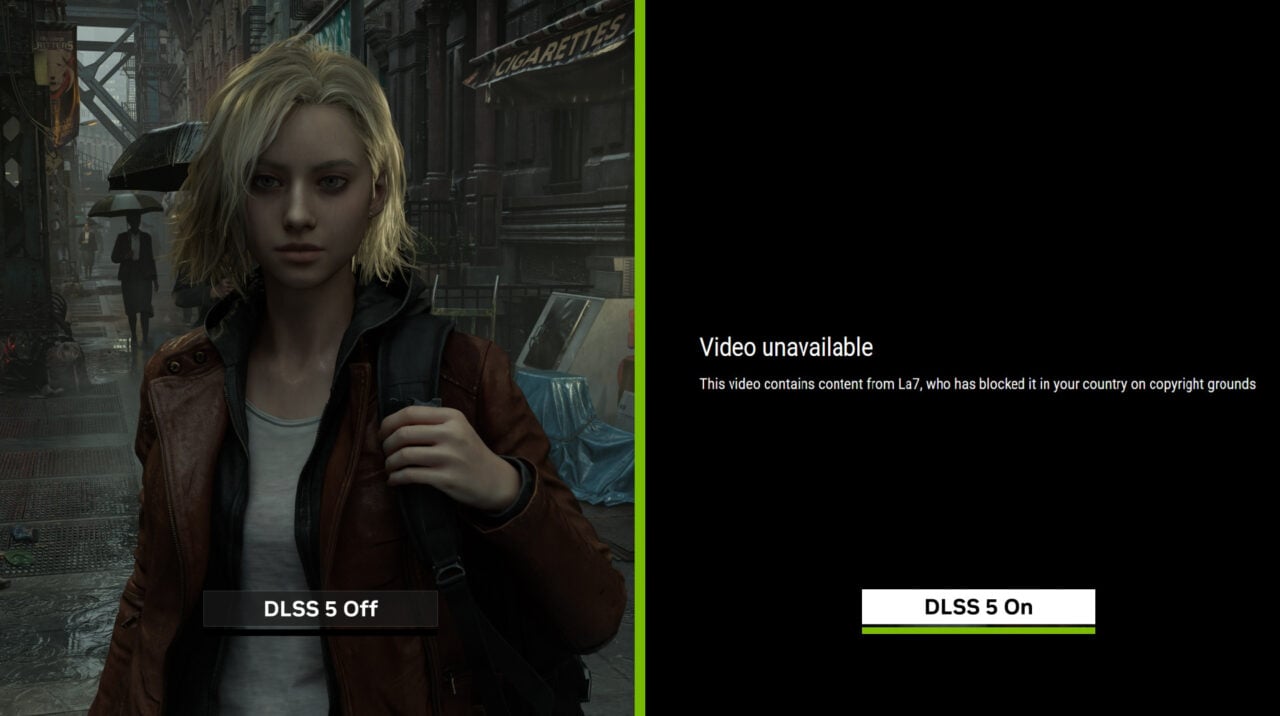
Scrubing voiced his annoyance on Twitter, questioning how the YouTube system could disregard the timelines of the content involvement. His ordeal resonated with several other creators, including Last Stand Media, Luke Stephens, and Destin Legarie, all of whom encountered analogous copyright claims from La7 regarding their coverage of DLSS 5. Compounding the absurdity, Nvidia’s own official video announcing DLSS 5 has also been restricted due to La7’s claim, even though it is the original source of the content in dispute.
YouTube’s official reply to these claims has further enraged affected creators. The platform clarified that Content ID claims are automatically produced when content aligns with another in their system. They mentioned that once a dispute is filed, it is the responsibility of the claimant to react within 30 days. If they do not respond, the claim is set to lapse. This reply raises questions regarding the efficiency of YouTube’s copyright system, which many creators contend does not sufficiently prevent or correct unjust claims.
At this point, Nvidia has not publicly addressed the situation, and the DLSS 5 announcement video remains inaccessible on YouTube. This incident underscores a broader problem within the platform, where content creators frequently find themselves caught in unjust copyright conflicts, leading to widespread criticism of YouTube’s management of copyright enforcement.
The La7 controversy not only illustrates a blatant instance of copyright claim abuse but also uncovers the ongoing challenges faced by content creators maneuvering through the intricacies of YouTube’s copyright regulations. As this matter progresses, it has ignited discussions about the necessity for reform in YouTube’s content management and copyright enforcement processes.