**The Legacy of Yoshihisa Kishimoto: A Trailblazer in Video Game Creation**
Yoshihisa Kishimoto, a celebrated game designer recognized for his revolutionary influence on the video game sector, has died at the age of 64. His contributions, especially in the beat ’em up category, have left a lasting impression on gaming culture, affecting numerous developers and gamers. Confirmations from outlets like *Famitsu* magazine and biographer Florent Gorges underline the profound effect of Kishimoto’s works, particularly the arcade sensation *Nekketsu Kōha Kunio-kun*, which was released in the U.S. under the title *Renegade*.
Kishimoto’s path in the gaming industry began at Data East, where he contributed to Laserdisc projects, including *Road Blaster* and *Cobra Command*, which emerged in response to the legendary *Dragon’s Lair*. His inventive inspiration was deeply shaped by personal life events; a poignant teenage heartbreak led to the creation of *Nekketsu Kōha Kunio-kun*. In this 1986 title, players take on the role of Kunio-kun, a character based on Kishimoto himself, as they traverse an isometric world, combating local bullies while safeguarding friends.
While *Nekketsu Kōha Kunio-kun* was not the inaugural beat ’em up title, it brought forth a scrolling feature that would become a defining trait of the genre. Upon its adaptation for global markets, the initial theme featuring high school delinquents was transformed into a more urban style, resulting in its renaming to *Renegade*. This modification not only redefined the game for a broader audience but also established the foundation for two major franchises: *Double Dragon* and *River City Ransom*.
The character Kunio-kun emerged as the emblem of Technōs, leading to numerous sequels and spin-offs, one of which was *Downtown Nekketsu Monogatari*, recognized by Western gamers as *River City Ransom*. Although Kishimoto was not directly involved in its development, the game’s success solidified the Kunio-kun brand through its blend of swift gameplay and RPG features.
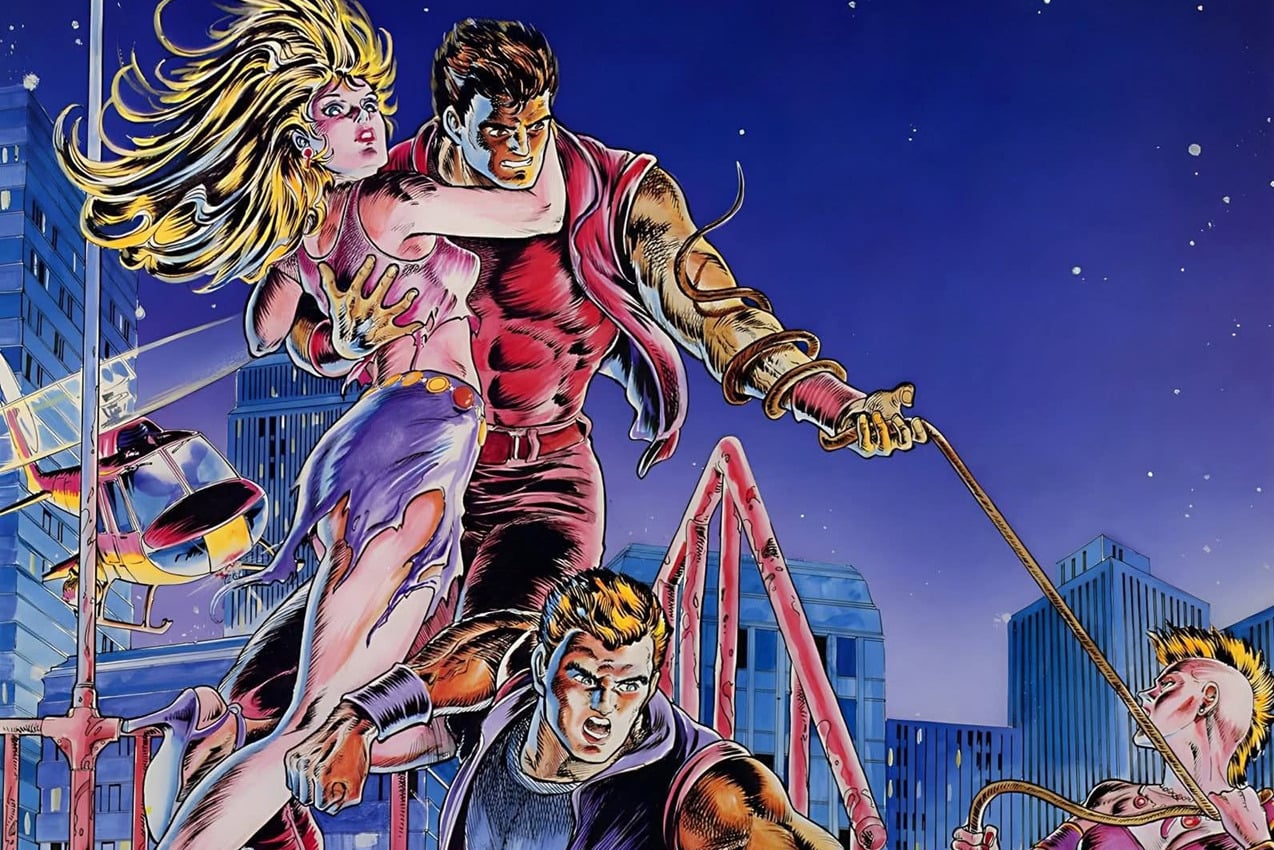
Kishimoto’s attention later turned toward *Double Dragon*, initially envisioned as a continuation of the Kunio-kun narrative. The game evolved to introduce new protagonists, twin siblings Billy and Jimmy Lee, in a plot that set them against various adversaries in a dystopian backdrop. *Double Dragon*, which became Kishimoto’s most iconic achievement, spawned a wealth of sequels, remakes, and adaptations, including a motion picture and animated series. Even years post its original launch, Kishimoto remained engaged with the franchise, taking on the roles of director or producer for newer entries, such as 2017’s *Double Dragon IV*.
Kishimoto’s influence radiates beyond the *Double Dragon* series, shaping the progression of many renowned games, including *Streets of Rage* and Konami’s *Teenage Mutant Ninja Turtles*. His vision was crucial in cultivating the beat ’em up genre, laying the groundwork for future advances in combat and action games.
The legacy of Kishimoto is a testament to the significance of personal experiences in game development. His capacity to translate youthful emotions into captivating gameplay continues to resonate within the industry. He leaves a diverse legacy of creativity and inspiration that will surely inspire upcoming generations of game creators.
As the gaming community reflects on the passing of Yoshihisa Kishimoto, his contributions still stand as a crucial component of video game history, resounding through the battles, quests, and journeys of players worldwide. His influence will undeniably continue to motivate both creators and enthusiasts for many years to come.