### The Lost Potential of AionGuard: Avalanche’s Canceled Fantasy Epic
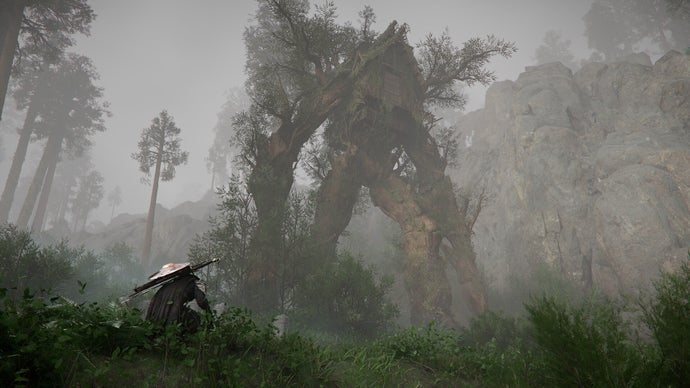
In the late 2000s, Avalanche Studios, known for their successful open-world franchise Just Cause, found themselves in a predicament with a project that never saw the light of day: AionGuard. Christofer Sundberg, the former chief creative officer at Avalanche, reflects on the missed opportunity, suggesting that AionGuard could have encompassed many of the elements that later contributed to the success of Crimson Desert.
#### AionGuard: Concept and Features
AionGuard was envisioned as an ambitious fantasy open-world game that aimed to replicate Just Cause’s explosive gameplay within a fantastical realm. Players would take on the role of a sorcerer-knight, tasked with defeating evil by capturing strongholds, disrupting supply lines, and garnering the support of local inhabitants. The game promised an array of magical powers, including the ability to ride dragons and transform into a giant golem, presenting an engaging power fantasy from a unique perspective.
Sundberg asserts that the plans for AionGuard included many features that can be seen in Crimson Desert, despite not having played the latter extensively. His confidence in AionGuard’s potential draws parallels to the engaging exploration and gameplay systems that characterize both titles.
#### The Cancellation and Aftermath
Despite its intriguing pitch, AionGuard fell victim to the struggles of securing a publisher. After approximately two years of development, the project was abruptly halted due to what Sundberg described as a “financially-motivated breakup” conveyed through a text message. Following this, Avalanche attempted to generate interest from another publisher by featuring AionGuard in a prominent article in Edge magazine. Unfortunately, this strategy did not bear fruit, and no financial backers emerged.
The team behind AionGuard subsequently shifted focus to another project: Arcardia Rising, a steampunk open-world adventure set in London. However, this game faced a similar fate, eventually being canceled.
#### Reflection on Market Trends
Sundberg’s insight raises questions about the gaming landscape of the late 2000s and whether a game like AionGuard would have found an audience at the time. The market’s appetite for expansive, open-world games has certainly evolved since then, as demonstrated by the success of titles like Crimson Desert.
While it’s challenging to predict how AionGuard would have fared against its contemporaries, the concept resonates with players’ desires for expansive worlds filled with exploration and dynamic gameplay.
#### Conclusion
Ultimately, AionGuard represents a tantalizing glimpse into what could have been for Avalanche Studios and the fantasy open-world genre. The vision behind the game, as articulated by Sundberg, illustrates a lost opportunity that could have paralleled the success seen in later titles like Crimson Desert. With game development being a path fraught with unpredictability, AionGuard serves as a reminder of the complexities and risks inherent in the creative process.