### The RAM Crisis: A Dire Forecast from Dell’s CEO
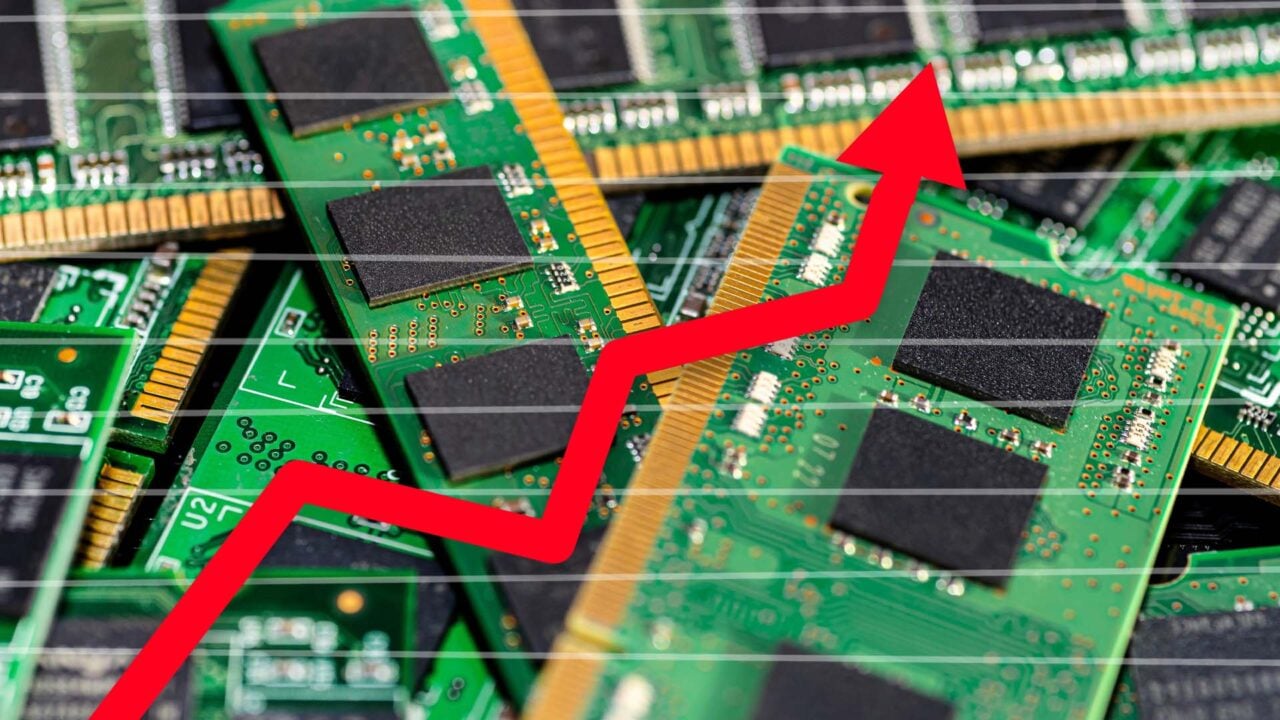
Recent forecasts from Dell Technologies CEO Michael Dell have sparked concerns for those wishing that the persistent RAM scarcity, referred to as “RAM-ageddon,” might soon be resolved. At a Bank of America-hosted event, Dell predicted a remarkable 625-fold surge in memory demand, primarily driven by the rapidly growing AI and data center sectors. This forecast highlights a significant challenge confronting both consumers and businesses as the global technology landscape continues to advance.
#### The Figures Behind the Forecast
Michael Dell’s estimate arises from the simultaneous growth in memory capacity per accelerator alongside the expansion of AI infrastructure. In his evaluation, he pointed out that the rising memory demand indicates a fundamental shift in the market. As quoted, Dell remarked, “Increasing memory supply takes years, but current AI infrastructure demand is not showing any signs of abating. We are merely in the initial phases of technology adoption.” This viewpoint accentuates an urgent necessity for memory supply that seems to be outstripping production capabilities by an astonishing degree.
Although the forecast of a 625x increase is concerning, it’s important to recognize that this figure may be tied to some of the most memory-demanding Nvidia hardware available. By examining current server rack designs that implement less power-intensive technologies, analysts propose that a more cautious estimate would represent an increase of approximately 180 times the existing figures. Nonetheless, even this lesser number is considerable given the prevailing market conditions, where data centers and AI enterprises are already utilizing extensive amounts of memory and storage assets.
#### Consequences for Consumers and Tech Firms
The effects of the ongoing RAM crisis are already noticeable throughout the tech industry. Companies are finding it difficult to acquire the necessary components for assembling gaming consoles, computers, and various other tech gadgets. One PC components manufacturer described the forthcoming year, 2026, as the “most difficult year” in its history due to the continuing shortage. Valve, the developer behind the Steam gaming platform, is also encountering challenges in securing the parts required for its upcoming Steam Machine, while Steam Decks have become increasingly hard to find due to limited supplies.
At the same time, console manufacturers are compelled to raise prices on gaming systems that launched as recently as 2020. Even family-oriented platforms like the Nex Playground have not been immune to the effects of the RAM crisis.
The difficulties mainly stem from tech giants and AI hyperscalers monopolizing PC components to build and enlarge data centers. Consequently, everyday consumers are experiencing rising costs for crucial components such as RAM, graphics cards, and SSDs. Reports suggest that the prices of pre-assembled PCs from manufacturers like HP, Dell, and Asus might rise by as much as 20%, further tightening the budgets of tech enthusiasts and casual consumers alike.
#### The Path Forward
The predictions regarding the RAM shortage create a grim outlook for consumers looking to make tech purchases. With AI infrastructure demand escalating and no immediate signs of relief in memory supply, consumers may wish to secure their devices now while they still have access to them at fair prices. The trends indicate that tech companies, including major players in gaming and computing, will need to navigate a difficult environment as they work to sustain production levels amidst rising demand.
As the RAM crisis continues, the concerns it generates regarding pricing and availability are prompting a cautious approach towards tech purchases for both consumers and companies alike. The tech community remains vigilant, acutely aware that the ramifications of these predictions could have enduring impacts on product availability and pricing frameworks.