**The Role of Hands in God Games: A Deep Dive into Masters of Albion and Sintopia**
I’ve been thinking a lot about hands this week. Weird little things, covered in fingers and nails, always clenching and unclenching. Though, for once, they’re not on my mind because I can’t shake the realization that they’re basically boney squids attached to my wrists. No, I’ve been thinking about hands because I’ve had my dirty mitts all over Masters of Albion and Sintopia, two god games which put meat-hooks front and center.
**Masters of Albion: A Return to Form for Molyneux**
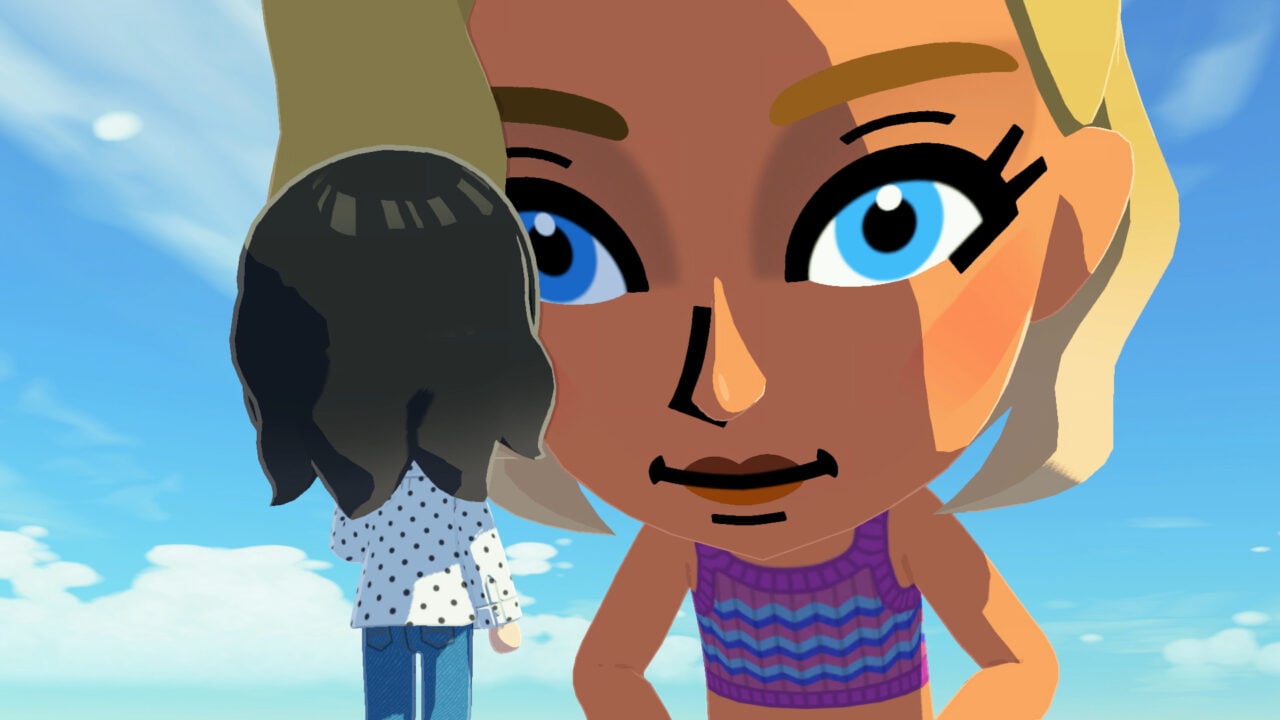
Masters of Albion is the new game from Peter Molyneux’s studio, 22cans, and draws inspirations and mechanics from many of his previous greatest hits. Part Fable, part Black & White, it splits your time between rebuilding villages, creating food and weapons in your workshops, and defending your towns from waves of the undead.
Except for when you possess a hero to fight the monsters one-on-one, you interact with the world through a giant, disembodied hand. You can pick up lumps of rock to toss at enemies, pluck your villagers up from the earth and dump them somewhere else on the map, click and hold on buildings, and watch as their residents start moving faster and faster while your index finger turns in slow circles, mimicking a clock hand.
**Sintopia: A Unique Spin on God Gameplay**
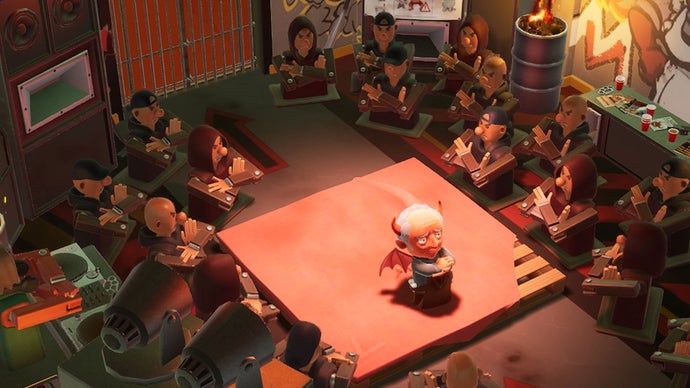
It was that physicality that got me thinking about Sintopia, a game very much inspired by Lionhead Studios and Bullfrog Productions games of old. It is like Masters of Albion in that it is a game of two genres, though these halves are stacked on top of each other and you can swap between them at will.
The game casts you as an underworld administrator to a society of sentient chickpeas, called Humus. On the surface, the Humus live in cycles of birth, working, sinning, and dying – it’s basically a Catholic ant farm. Upon their death, the Humus’ souls are transported down to hell where you cleanse them in return for Purgadollars before sending them back topside.
You have total control of the underworld, which plays out like a production line game akin to Factorio or Satisfactory. Using crisscrossing paths and logic gates, you direct the dead Humus to the correct facilities to treat their souls. Bog-standard sinners go to the Omnisin Doctor, while lustful deviants require a visit to the Lustologist. Saints, who being without sin earn you no Purgadollars on their passage through hell, can be returned to mere humanity with a visit to the Time Dilator, a seemingly infinite waiting room.
Unlike the underworld, you have very few ways to influence the Humus topside. They choose their own jobs, what to build and where, and when it comes to invading the lands of their neighbors, that’s left entirely down to the expansionist desires of their leader – a Humus who wanders around in a crown and cloak. However, influence still exists; send souls through a diabolical Hellpet show in the underworld and you will earn faith coins that you can use to cast spells on the Humus in the world above—lightning strikes, fireballs, and even healing spells.
Sintopia actually uses a cursor instead of a hand, but when summoning destructive magic, you drag the spell across the world with the same gestures as Masters of Albion and Black & White. This lends the casting the same physicality, and it was only when I went back to look at screenshots that I realized I wasn’t brandishing a godly appendage the whole time.
**Physicality and Presence in God Games**
As I’ve been hopping between the games, I’ve been enjoying just what this physicality brings to my relationship with the world. While there are many games where you control the action from a bird’s eye view, there’s something about giving me a hand or hand-like gestures to play through that turns the world below into a playset with which to toy. Dragging my cursor in Sintopia to summon up a wind that tears through town transforms me into a present force within and above the world.
Comparatively, in Whiskerwood and Timberborn, games where you don’t control your people directly, that immediate presence is lacking. Though they also rely on shaping the environment, the gesture mechanics of Masters of Albion and Sintopia fundamentally alter user engagement, enhancing the feeling of interaction with their digital worlds.
**A Vengeful God: The Dark Side of Influence**
While I won’t review Sintopia due to prior consulting work for its publisher, Team17, I can’t help but share how the game led me into the role of a monstrous god. In my attempt to manage resource flows and fend off invaders, I sometimes turned destructive spells against my own people. Unchecked proliferation of saints threatened my financial bottom