**The Debate Around DLSS 5: Daniel Vávra’s Support for AI Advancements in Gaming**
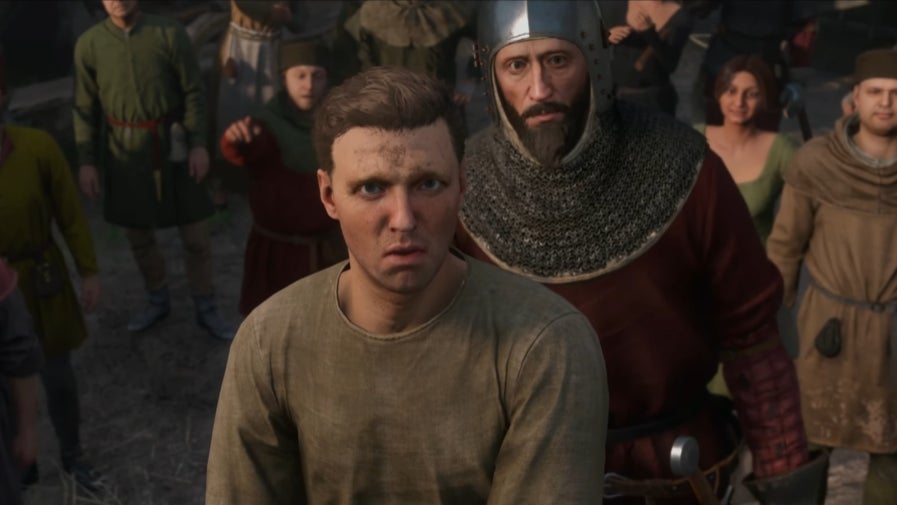
Amid the gaming sector’s collective disapproval of Nvidia’s DLSS 5 technology, referred to as an “AI-slopificator,” one individual rises to champion the innovation. Daniel Vávra, co-founder of Warhorse Studio and recognized for his contributions to *Kingdom Come: Deliverance 2*, stands firm in his belief that this technology can transform game design. His hopeful perspective sharply contrasts with the industry’s doubts, sparking conversations about the potential of AI in the realm of gaming.
Vávra posits that DLSS 5 could serve as an economical substitute for ray tracing, assuming it can navigate its initial hurdles. He speculates that developers might eventually leverage this technology to mimic distinct artistic styles or even personalize character visuals, thereby replacing the traditionally costly rendering methods tied to ray tracing. His conviction relies on a future where technological progress ultimately enriches the creative endeavors in game development.
In remarks that embody the often lofty claims associated with new technologies, Vávra expressed, “I can envision a time when devs can train this tech to capture particular art styles or specific human faces.” This viewpoint resonates with a recurring theme in conversations about generative AI technologies: the excitement for future potentials frequently overshadows current challenges. Nvidia’s CEO, Jensen Huang, has also highlighted that DLSS 5 could help developers maintain artistic intention, a statement that remains debated within the gaming community.
Detractors of the technology voice worries that it might oversimplify or distort visual elements, comparing its effect to a social media filter that degrades the quality of the original art. Vávra rebuts this concern by arguing that DLSS 5 is merely in its experimental stage, similar to the early phases of generative AI writing and video productions. He remarks, “This is just a little uncanny beginning,” reflecting his belief that the technology is on the verge of meaningful enhancement.
Despite the doubt, Vávra stands resolute against critics, declaring, “No way haters will stop this. It’s way more than a soap opera effect another TV has when you turn motion smoothing on.” This language encapsulates the friction between supporters and opponents of AI-driven technologies in gaming, where the anxiety over reduced creative integrity clashes with dreams of broader access and affordability.
The discussion surrounding DLSS 5 underscores a more extensive dialogue about the presence of AI in gaming. While advocates like Vávra envision a future teeming with artistic opportunities and decreased expenses, the current pushback centers on the negative ramifications of AI content generation—especially concerns regarding quality, originality, and the risk of a homogenized gaming look.
As the gaming industry navigates the influence of DLSS 5 and comparable technologies, Vávra’s insights emerge as a beacon of hope amidst skepticism. Nevertheless, as history illustrates, technological progress frequently presents unforeseen obstacles. The eventual success of AI in gaming will hinge not only on the technology itself but also on how developers and players maneuver through the shifting terrain of creativity, innovation, and artistic expression.