**The Coming Steam Controller: Perspectives from Valve Engineers**
As the gaming industry progresses, Valve is positioned to leave a notable mark with the forthcoming Steam Controller, set to debut on May 4 at a price of $100. In a discussion with Valve engineer Jeremy Slocum and designer Lawrence Yang, various perspectives were shared about the controller’s design, functionalities, and the motivations driving its creation.
**Battery Life Transparency and Design Enhancements**
One of the first inquiries posed during the discussion was the lack of visible battery status while connected wirelessly in the Steam beta branch. Yang assured that this feature would be implemented at launch, highlighting Valve’s dedication to customer feedback and ongoing enhancement.
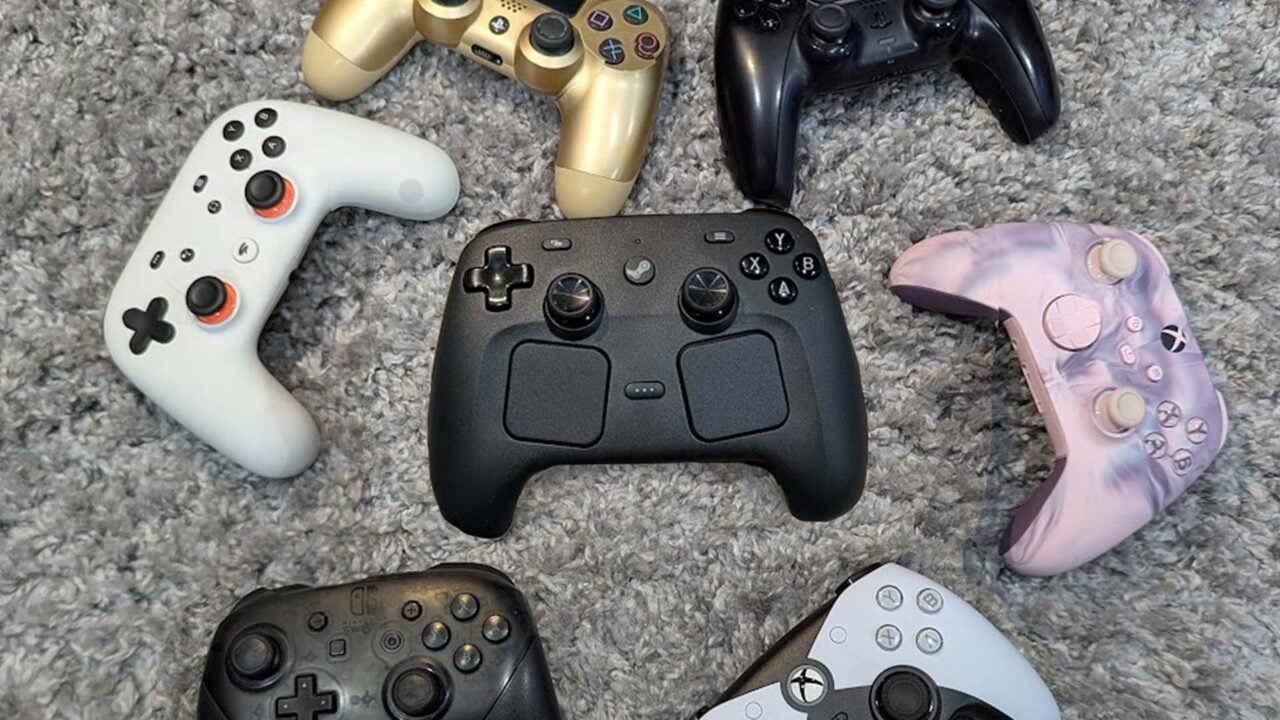
The Steam Controller introduces numerous improvements over its predecessor, including an ergonomic design, operational back buttons, and a USB-powered puck that functions both as a charger and a wireless receiver. Slocum pointed out that alleviating frustrations tied to Bluetooth connectivity was a significant goal for the team. This positions the Steam Controller as a valuable addition to any PC gaming setup.
**Broadening the Accessibility of PC Gaming**
Valve’s intent to re-explore controller design is rooted in insights obtained during the development of the Steam Deck. The team recognized a substantial demand for a cohesive controller experience when players docked the handheld device for larger screen play. Yang discussed the challenges users encountered; many had to switch controllers when moving from handheld to TV gaming. This persistent interest inspired Valve to design a fresh controller that meets diverse gaming requirements.
A notable challenge recognized was the tendency of players to use any available controller, which often did not support all Steam Deck features. Valve framed this as an opportunity to launch the Steam Controller, effectively enhancing the Steam ecosystem.
**Learning from Prior Experiences**
This latest version of the Steam Controller is regarded as a spiritual successor to the original version from 2015, which was noted for its unconventional design featuring touchpads. Yang reminisced about the feedback received on the original model, which many players found perplexing and awkward. To counter this, Slocum indicated that the new controller was crafted to feel intuitive and user-friendly, fostering ease of use and accessibility.
**Design and Repairability Aspects**
Although the lack of a 3.5mm headphone jack in the new controller raised questions, Slocum clarified that the emphasis on contemporary audio solutions, such as Bluetooth headsets, influenced this design decision. Nonetheless, Valve has prioritized repairability. The controller is engineered to be easily opened, enabling users to modify parts or conduct repairs with minimal effort. Yang pointed out their intention to provide 3D scans and schematics, empowering users to engage in creative modifications.
**Enhancing Steam for Controller Users**
Acknowledging that operating Steam’s interface can be cumbersome without a mouse and keyboard, Valve is dedicated to improving the platform’s usability for controller users. Yang confirmed that the team is diligently working on updates to make Steam more controller-friendly, facilitating a smooth transition for users who favor utilizing the Steam Controller.
Additionally, existing Steam Deck community configurations will be compatible with the new Steam Controller, allowing players to leverage the extensive efforts of the community.
**Distinct Features and Personalization Options**
One of the standout features of the Steam Controller is its ping function, which makes the device vibrate and play a ringtone when users need to locate it. Yang revealed that the selection of the ringtone was made in a casual, cooperative fashion, illustrating Valve’s unique, adaptable culture contrasting with more conventional tech firms.
The Steam Controller’s design is not only functional; it also offers potential for aesthetic customization in future iterations. Yang expressed Valve’s enthusiasm for exploring various color options and designs for upcoming releases.
**Conclusion**
Valve’s upcoming Steam Controller represents a considered advancement in gaming hardware, balancing user-friendly design with innovative functionalities. With a planned release on May 4, players can expect a device that not only serves traditional gaming but also adapts to the changing dynamics of PC gaming experiences. The emphasis on community integration, repairability, and user convenience highlights Valve’s commitment to improving the gaming landscape, making this new controller a device to keep an eye on.