**The Fall of Spiders: A Look into the Studio’s Struggles and Heritage**
Spiders, a video game studio situated in Paris, is encountering severe challenges as it maneuvers through the intricacies of debt restructuring amid the insolvency of its parent company Nacon. Recent reports suggest that the legal processes involving Spiders are primarily perceived as a mere formality, with employees actively pursuing new job prospects as the studio’s outlook grows ambiguous. Emerging from an illustrious 18-year history, the studio’s predicament symbolizes broader issues in the gaming sector, especially concerning mismanagement and the effects of corporate strategies on creative ventures.
Established in 2008 by a collective of developers formerly affiliated with Monte Cristo on the RPG *Silverfall*, Spiders initially concentrated on smaller-scale projects and licensed games. However, it was not until the release of *Technomancer* in 2016 that the studio started to attract a larger audience. Despite mixed reviews regarding its execution, the game distinguished itself because of its ambition and creativity—traits that often get overlooked in a landscape saturated by high-budget hits.
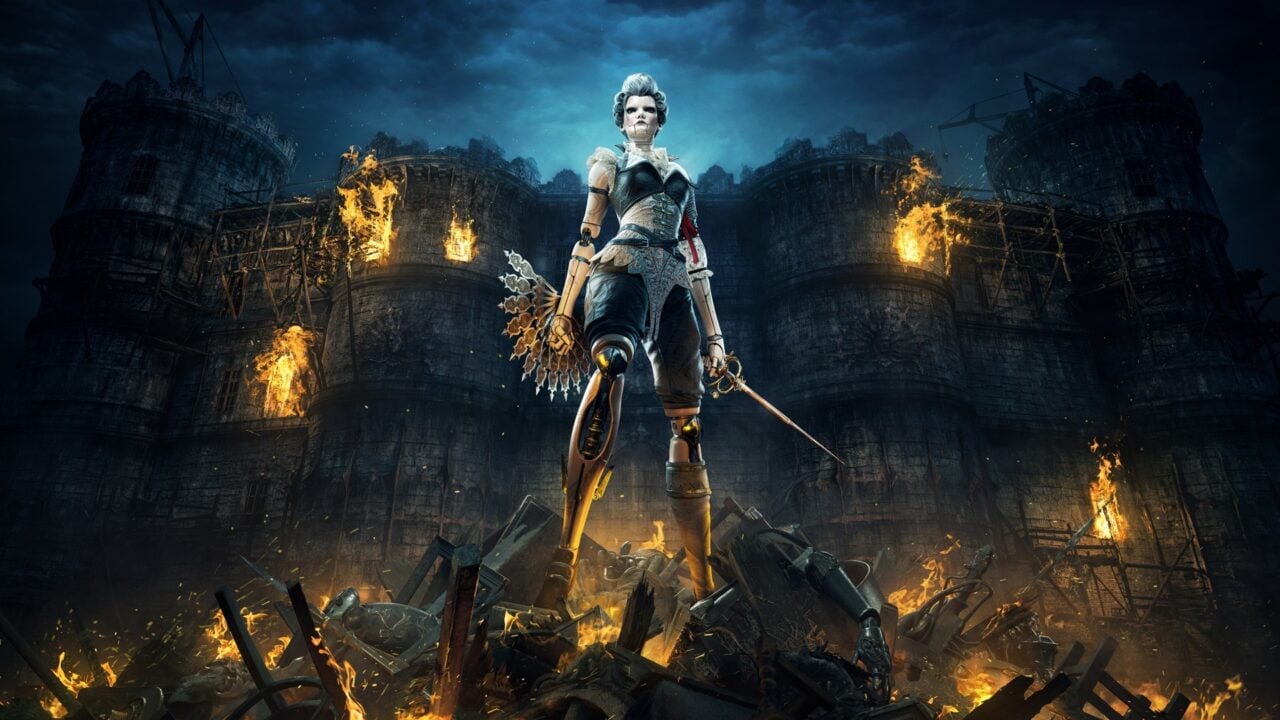
Critics, including former *Kotaku* editor Luke Plunkett, emphasized the game’s appeal, remarking on its “charming French quirkiness” and the unique aspects that emerged through its gameplay and design. Spiders went on to expand on this groundwork with later titles like *GreedFall* (2019), which melded RPG mechanics with colonial themes, and *Steelrising* (2022), set against the backdrop of the French Revolution.
In spite of these successes, the studio’s latest project, *GreedFall 2: The Dying World*, encountered considerable obstacles during its Early Access launch, falling short of its fanbase’s expectations. This setback, coupled with a series of unwise choices made by Nacon, contributed to a worsening situation for Spiders. The French video game union Syndicat des Travailleureuses du Jeu Vidéo openly condemned Nacon, accusing its leaders of ineptitude and asserting that their actions had endangered previously thriving studios.
The union expressed worries regarding deteriorating working conditions and the formation of new studios that appeared intended to weaken established ones—a tactic that has, based on reports, resulted in noteworthy staff layoffs and elevated turnover rates. As Nacon strives to regain stability, Spiders finds itself vulnerable to decisions made at higher levels, prompting questions about the viability of creative studios in an increasingly corporate environment.
As the committed employees of Spiders prepare to honor the studio’s heritage with a final gathering, the industry watches with interest. Their narrative acts as a cautionary example about the risks associated with depending on corporate frameworks, particularly when mismanagement overshadows creative intent. The future of Spiders remains unclear, yet its contributions to the RPG genre have a lasting influence on gaming aficionados and remind us of the need to cultivate creative talent within a complex industry.