### Embracing Failure in Gaming: An In-Depth Look at *Pragmata* and *Dispatch*
In the current gaming sphere, the pursuit of mastery often serves as the primary motivation for player involvement. Games typically reward accuracy and skill, fostering a competitive atmosphere where success is gauged by effectiveness. Nevertheless, there exist instances within gaming that defy this standard—instances where failure can yield richer experiences and stronger connections to the gameplay. Two illustrative examples are Capcom’s *Pragmata* and Ad-Hoc Studio’s *Dispatch*, both of which present unique interpretations of their genres while allowing players to find joy in their missteps.
#### The Puzzle Dynamics of *Pragmata*
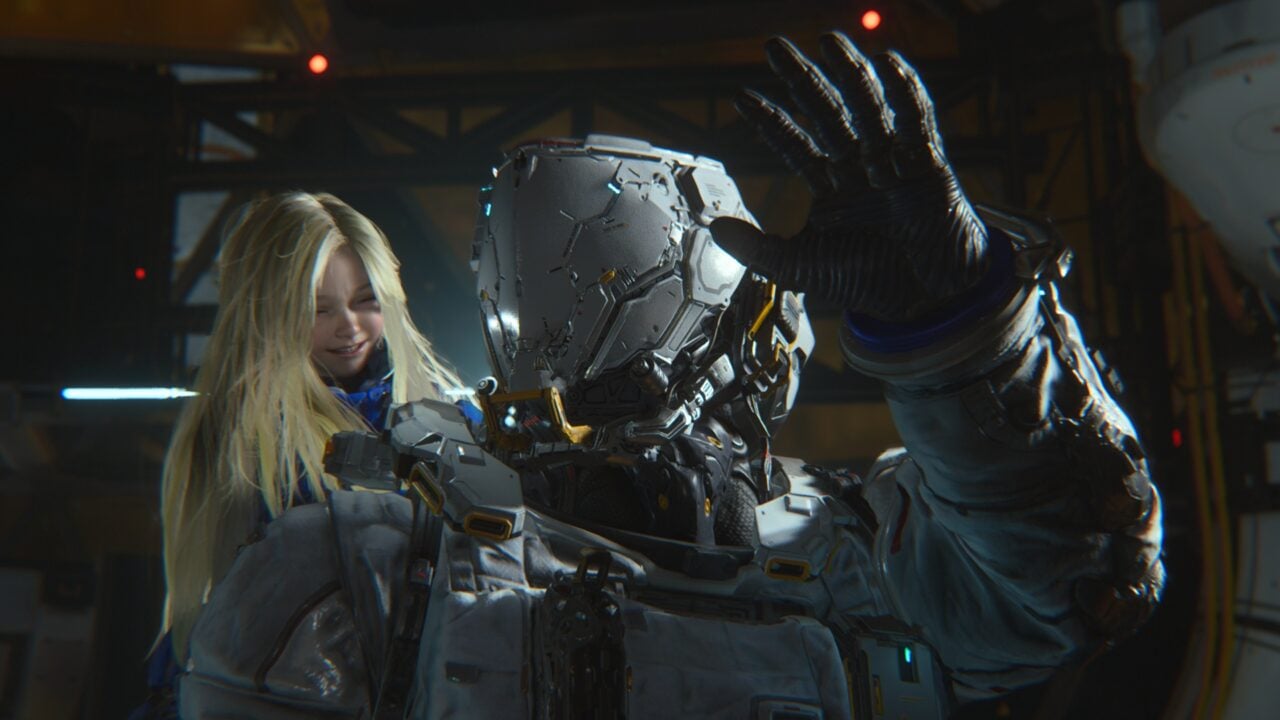
In *Pragmata*, players embody Hugh, an engineer based on a moon base, facing off against robotic foes who excel in creating chaos far beyond Hugh’s defensive capabilities. The core gameplay hinges on a puzzle-solving system where players, aided by a young robotic girl named Diana, aim to hack adversaries using a grid-based approach. The excitement lies in maneuvering through this grid to gradually reveal and attack enemies, supported by assorted upgrades and weaponry.
As players embark on this adventure, a discernible pattern arises: aim, solve, fire, and repeat. However, even as gamers tirelessly partake in this cycle, mastery is not always assured. Many, including an engaged journalist, find themselves grappling with the demanding tempo of combat. While certain players may anchor themselves in achievement, others may experience a heightened sense of discomfort due to recurrent failures.
#### Learning Through Adversity
What renders *Pragmata* particularly engaging is its incorporation of failure into the narrative. The challenges faced when confronting enemy robots, often leading to multiple game overs, were not merely irritations; they served as catalysts for development and adaptation. Necessary retreats to safety became chances to reevaluate strategies and investigate new upgrades that resonated better with individual play styles. The outcome was an exhilarating, albeit awkward experience, allowing players to derive enjoyment even if they never fully mastered the demanding mechanics of the game.
In this context, the experience of failing in *Pragmata* does not merely detract from player enjoyment; it enhances it. Progress is redefined—not by the number of foes vanquished, but by the tactical shifts initiated in response to failures.
#### Tales of Failure in *Dispatch*
In a similar vein, *Dispatch* offers yet another perspective on confronting failure. This game invites players to lead the “Z-Team” of beleaguered heroes assigned to tackle emergencies throughout a city map. Players must devise strategies regarding which heroes to deploy, weighing their strengths against their weaknesses. However, mistakes are frequent; dispatching ill-suited heroes to challenges can lead to disastrous failures, unfulfilled missions, and experience deficits.
Once again, the frequent experiences of failure shape the narrative significantly. The embarrassment of overseeing a team that fails to accomplish its tasks mirrors the central themes of redemption and collaboration woven into the storyline. A player’s clumsy experiences within the game ultimately highlight the characters’ journeys, who must evolve through their failures.
#### The Importance of Failure in Gaming
Both *Pragmata* and *Dispatch* question the conventional game design philosophy that prioritizes achievement. Instead, they embrace the unpredictability inherent in gaming, especially the significance of personal development through setbacks. Players are encouraged to try different strategies and develop their characters, not only within the game but also in the broader context of their gaming journeys.
These titles exemplify a rising trend in gaming where the pleasure of the experience—filled with failures and missed chances—frequently overshadows the ultimate goal of victory. They empower players to realize that triumph is not the sole rewarding conclusion; at times, the struggle itself can provide a more meaningful sense of fulfillment.
### Conclusion
In the changing landscape of video games, *Pragmata* and *Dispatch* remind us of the depth in accepting failure, providing alternative narratives that connect with players on a more profound level. As gamers continue to push the limits of their skills, it may be time to embrace missteps as essential components of the gaming journey. After all, in the world of gaming, perhaps losing could lead to uncovering new, more significant narratives worthy of celebration.