# Exploring “Stranger Than Heaven”: A New Chapter from RGG Studios
“Stranger Than Heaven,” the latest creation from the developers of the “Like A Dragon/Yakuza” series, promises a journey through the complex tapestry of 20th century Japanese history. This game not only presents a narrative that intertwines crime and identity but also incorporates unique gameplay mechanics centered on music and cultural intersections.
## Concept and Storyline
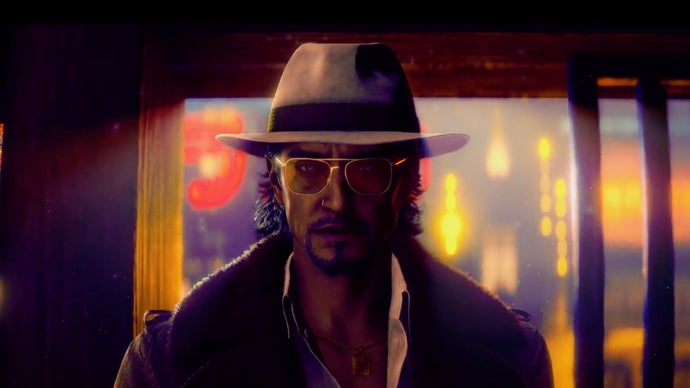
Set across five Japanese cities from the 1910s to the 1960s, “Stranger Than Heaven” introduces players to Makoto Daito, a half Japanese and half American protagonist. The story begins in 1915 with Daito fleeing the United States following the tragic deaths of his parents. As he navigates his new life in Japan, he forms a complex friendship and rivalry with Yu Shirota, whose realistic and calculating nature contrasts with Daito’s impulsiveness. Their relationship bears similarities to the dynamic between Kazuma Kiryu and Akira Nishiki in earlier titles.
The narrative unfolds with significant historical context, exploring themes of identity and belonging in Japan as the nation evolves under the influence of American culture and modern technology. Key events and locations in Daito’s life, including his encounters with iconic figures like Snoop Dogg’s character Orpheus, are woven throughout the gameplay, adding layers to the character development and plot dynamics.
## Musical Elements
A distinctive aspect of “Stranger Than Heaven” is its musical component, which serves as a vehicle for storytelling. Players will have the opportunity to collect various sounds from the environment—such as brooms sweeping and trains chugging—to create symphonies. This innovation elevates the gameplay beyond mere combat, as it emphasizes cultural expression and the bridging of identities through music.
As the game progresses, Daito transitions into a band manager, tasked with organizing acts and gigs alongside Shirota. This mini-game aspect offers a deeper engagement with the music theme and is expected to be a highlight, mirroring the detailed side-quests typical of RGG titles.
## Historical Settings and Climax
Throughout the game, players will traverse various cities, experiencing the cultural and societal shifts of early to mid 20th century Japan. From the industrial city of Kokura to the vibrant Minami district of Osaka, each setting is meticulously crafted to reflect the changing landscape.
A pivotal moment occurs during a trip to Atami in 1951, where Daito meets an American singer named Suzy, further exploring cultural exchanges. The game builds toward a climactic return to Kamurocho in 1965, where significant revelations about Daito’s journey and the formation of the Tojo Clan unfold.
## Combat System Changes
Another notable evolution in “Stranger Than Heaven” is the combat system. Moving away from the traditional single-button mechanics, players can now execute specific punches and kicks using trigger buttons. This design choice aims to provide more control and depth during fights, signaling a potential shift in how players interact with combat.
This duality of innovation and nostalgia encapsulates “Stranger Than Heaven.” It promises to blend familiar gameplay elements with new mechanics and storytelling methods, all while diving into rich historical contexts.
## Conclusion
“Stranger Than Heaven” marks an ambitious venture for RGG Studios, blending narrative depth, musical exploration, and refined combat mechanics. As the game prepares for its winter release, anticipation builds around how it will resonate with both fans of the Yakuza series and newcomers alike. With its focus on identity, belonging, and cultural fusion, it aims to be more than just another entry in the franchise—it aspires to be a memorable exploration of a pivotal era in Japan’s history.