**PlayStation CEO Champions AI Advancement in Gaming**
In a recent financial briefing, PlayStation CEO Hideaki Nishino devoted a considerable segment of his address to discussing the possible advantages of artificial intelligence (AI) in the gaming sector. Nishino’s vision includes wide-ranging applications of AI tools, indicating that they could improve every facet of the PlayStation experience, from optimizing processes in the PlayStation Store to enhancing graphics in games produced by studios such as Naughty Dog and Guerrilla Games.
Nishino underscored the potential of generative AI and large language model (LLM) technologies to boost efficiency within the creative development workflow. He introduced a proprietary tool named Mockingbird, aimed at swiftly animating 3D facial models through performance capture. This tool enables animation tasks that typically take hours to be finished in just seconds. He clarified that this technology is meant to complement human talent rather than replace it, enhancing data processing from live captures.
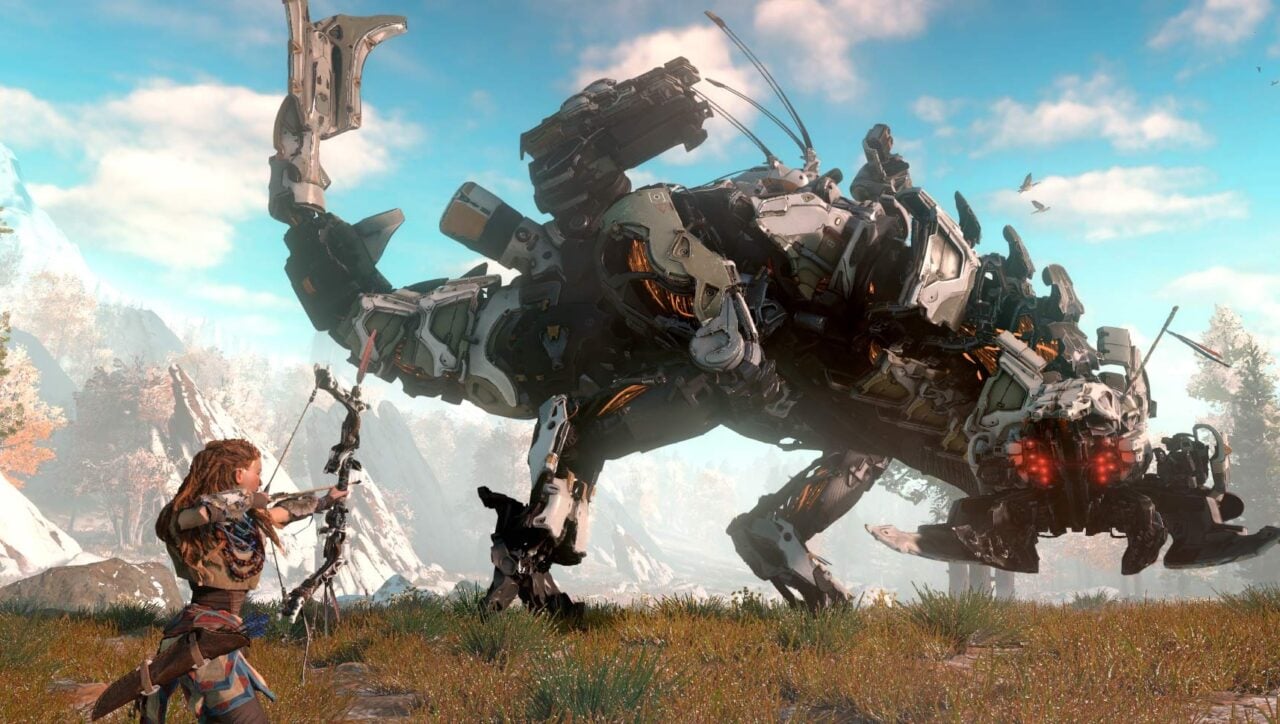
The ongoing adoption of AI technologies is already apparent in works from studios like Naughty Dog and San Diego Studio. For example, in titles such as *Horizon Zero Dawn Remastered*, AI-driven instruments have accelerated labor-intensive processes, like hair animation, by using footage of real hairstyles to generate sophisticated 3D models. This innovation allows development teams to spend more time enriching game environments and improving gameplay.
Nishino also pointed out the use of AI-powered racing agents in games like *Gran Turismo*. He hinted at developments that could allow non-playable characters (NPCs) to have distinct personalities, enabling them to interact with players in dynamic and spontaneous ways. This idea was emphasized by a potential prototype of *Horizon Zero Dawn*’s protagonist Aloy, illustrating the capability of generative AI to enable unscripted dialogues within the game.
**Traversing the Future of Gaming Content**
While advocating for the beneficial implications of AI in optimizing operations and elevating player engagement, Nishino also referenced more troubling prospects for the gaming ecosystem. He predicted a possible increase in the quantity and variety of content accessible to players, emphasizing the platform’s role in assisting users in navigating a market that is becoming increasingly saturated.
Concerns are rising about the rise of poor-quality games—often referred to as shovelware—cluttering the PlayStation Store. Nishino’s comments prompted speculation on whether AI could mitigate this issue or worsen it by overwhelming users with even more inferior offerings. He suggested that AI could be instrumental in personalizing recommendations and improving discoverability, potentially guiding players toward quality content in the midst of the clutter.
Looking forward, Nishino imagines a future where AI technology could not only suggest games but also propose gameplay moments, subscriptions, accessories, and merchandise tailored to players’ tastes.
**Challenges Within the Gaming Ecosystem**
Despite Nishino’s hopeful perspective on the transformative power of AI, there are fundamental challenges in the gaming industry, including escalating production expenses. Recent price hikes for the PS5—linked to economic factors, including AI-related shortages in key components—illustrate this tough situation. Notably, the company has reported constraints in PS5 sales projections, arising from its capacity to secure affordable components rather than a lack of consumer interest.
This dual situation presents a dilemma for Sony: while AI is portrayed as a potential remedy for the financial pressures of producing AAA games, there remains doubt about its ability to adequately tackle the industry’s high-budget demands without sacrificing quality. AI promises to enhance graphics and reduce development costs, but its successful deployment will necessitate careful oversight and strategic planning.
In summary, Hideaki Nishino’s ambitious vision for incorporating AI into the PlayStation ecosystem aims to foster creativity and improve player experiences. The success of these innovations will largely hinge on striking a balance between harnessing cutting-edge technologies and upholding the integrity of the gaming landscape.