**Paranormal Activity Game Adaptation “Threshold” Cancelled: A Deep Dive into the Decision**
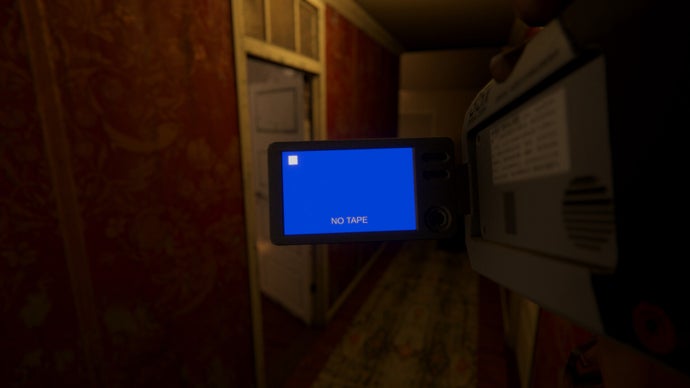
In a recent announcement that has shocked fans of the horror franchise, Brian Clarke, the sole developer behind DarkStone Digital, revealed that the game adaptation “Threshold,” based on the popular film series “Paranormal Activity,” has been cancelled. Clarke shared the news on his Zwitter account, explaining the decision process behind the cancellation and the challenges he faced as an indie developer.
Clarke attributed the cancellation to the need for additional development time to meet the high standards he set for the game. “It’s no secret that game development means constant change and challenges especially as a solo indie,” he stated. While he expressed his desire to produce the best quality game possible, he emphasized that the need for more time was not supported by Paramount, the rights holders of the “Paranormal Activity” franchise. “DreadXP stood by my need for more time and, together, we made a request to Paramount for a time extension. Sadly, Paramount did not agree to extend development,” he explained.
Faced with this limitation, Clarke was forced to make a difficult choice: either rush through the development process to meet an unrealistic deadline, potentially leading to a “sub-par product I would not be proud of,” or part ways with Paramount amicably. Clarke ultimately chose the latter, expressing gratitude for the opportunity to work on an intellectual property he deeply admired. “It was an honor to even be considered to work on an IP I love so much,” he noted.
The cancellation of “Threshold” raises interesting questions about the differences in development timelines and logistics between movies and video games. While it is not uncommon for film projects to be announced and then quietly shelved, it is less frequent to witness a visible development process that ultimately culminates in cancellation. Fans and industry observers alike are left to ponder the unique challenges faced by indie developers, particularly when working under the constraints imposed by established franchises.
Moreover, the decision to cancel the project has sparked discussions among gamers about the implications of adaptation from film to video game. Many fans had expressed apprehension regarding how the immersive, tactile quality of the “Paranormal Activity” series would translate into an interactive gaming experience. With the cancellation of “Threshold,” these concerns remain unaddressed, leaving fans to wonder what might have been.
As the gaming landscape continues to evolve, the case of “Threshold” serves as a reminder of the complexities and challenges inherent in the development of licensed games. While the hopes of completing a new chapter in the “Paranormal Activity” universe have been dashed, Brian Clarke’s commitment to delivering quality work and his integrity as a developer are commendable. As fans await Clarke’s next project, the impact of “Threshold” will undoubtedly linger in discussions surrounding game adaptations for years to come.