### The Convergence of Wrestling and Gaming: Cody Rhodes and the Triforce Dispute
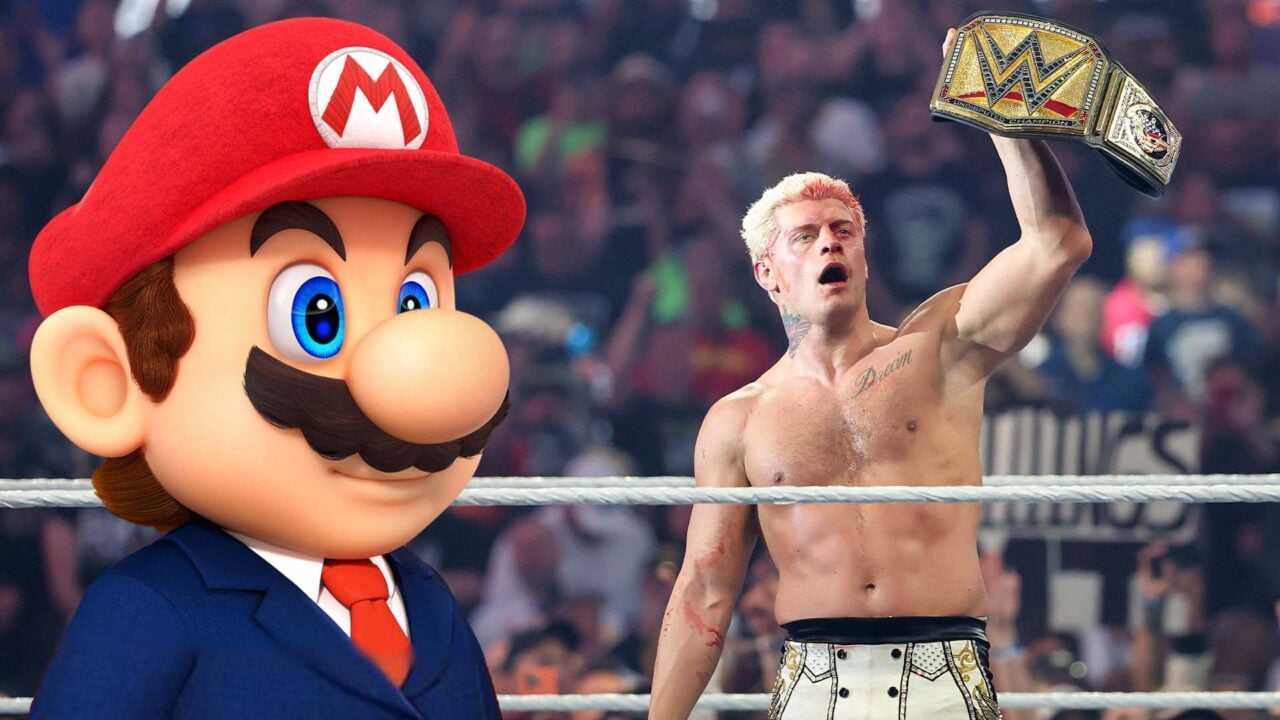
Cody Rhodes, a prominent figure in professional wrestling and currently the WWE Undisputed Champion, recently found himself embroiled in a legal issue with Nintendo. While it may appear strange for a wrestler to engage with a gaming powerhouse, the situation brings to light the complex interplay between popular culture and the protection of intellectual property.
#### The Triforce Emblem and Its Importance
The Triforce, a well-known emblem from Nintendo’s cherished series *The Legend of Zelda*, symbolizes three core tenets: power, courage, and wisdom. Each facet is embodied by characters within the franchise: Ganon represents power, Link signifies courage, and Princess Zelda illustrates wisdom. A devoted Nintendo enthusiast, Rhodes felt a personal connection to the values of the Triforce, believing they mirrored his persona and principles as a professional wrestler.
In 2013, Rhodes incorporated the Triforce symbol into his wrestling boots, showcasing his fondness for the game. In a recent episode of Kit Wilson’s podcast, *What Do You Wanna Talk About*, he expanded on this decision, detailing how the Triforce’s principles mirrored his own path in wrestling. “I thought the principles of the Triforce… were just applicable,” he shared, implying that wisdom gained through experience can propel ambition and power in one’s craft.
#### The Legal Notification from Nintendo
Despite the seemingly harmless nature of Rhodes’ homage to *Zelda*, Nintendo’s diligent legal team raised concerns regarding the use of their intellectual property. Rhodes disclosed that he had received a “kind” cease and desist letter from Nintendo, requesting the removal of the Triforce from his boots. He remarked that the correspondence was courteous and non-threatening, a rarity in legal matters, particularly with high-stakes companies.
Rhodes’ situation highlights a recurring challenge faced by creators and fans who aspire to honor their favorite franchises. While passion and appreciation for a brand may compel individuals to blend symbols into their own creations or personal narrative, corporations like Nintendo are compelled to vigilantly guard their intellectual property. This often leads to conflicts that can discourage both fans and creators.
#### Individual Expression and Corporate Ownership
Notably, Rhodes also features a Triforce tattoo on his finger, prompting speculation on whether this personal emblem might similarly attract Nintendo’s legal scrutiny. His dual representation of the Triforce through both footwear and body ink exemplifies the strong bond many individuals share with video game culture, yet it also poses questions about the boundaries of personal expression in a corporate-centric environment.
#### Conclusion
Cody Rhodes’ experience with Nintendo sheds light on the often intricate relationship between fandom, creativity, and the stringent enforcement of intellectual property rights. As the lines between various entertainment mediums continue to intertwine, personalities like Rhodes exemplify the fervor that drives individuals to integrate their identities with the beloved media they enjoy. Nonetheless, it also serves as a reminder of the legal realities tied to intellectual property, which can occasionally stifle the spirit of tribute and expression within the gaming and entertainment fields.