**The Debate Surrounding the Party Animals AI Video Contest**
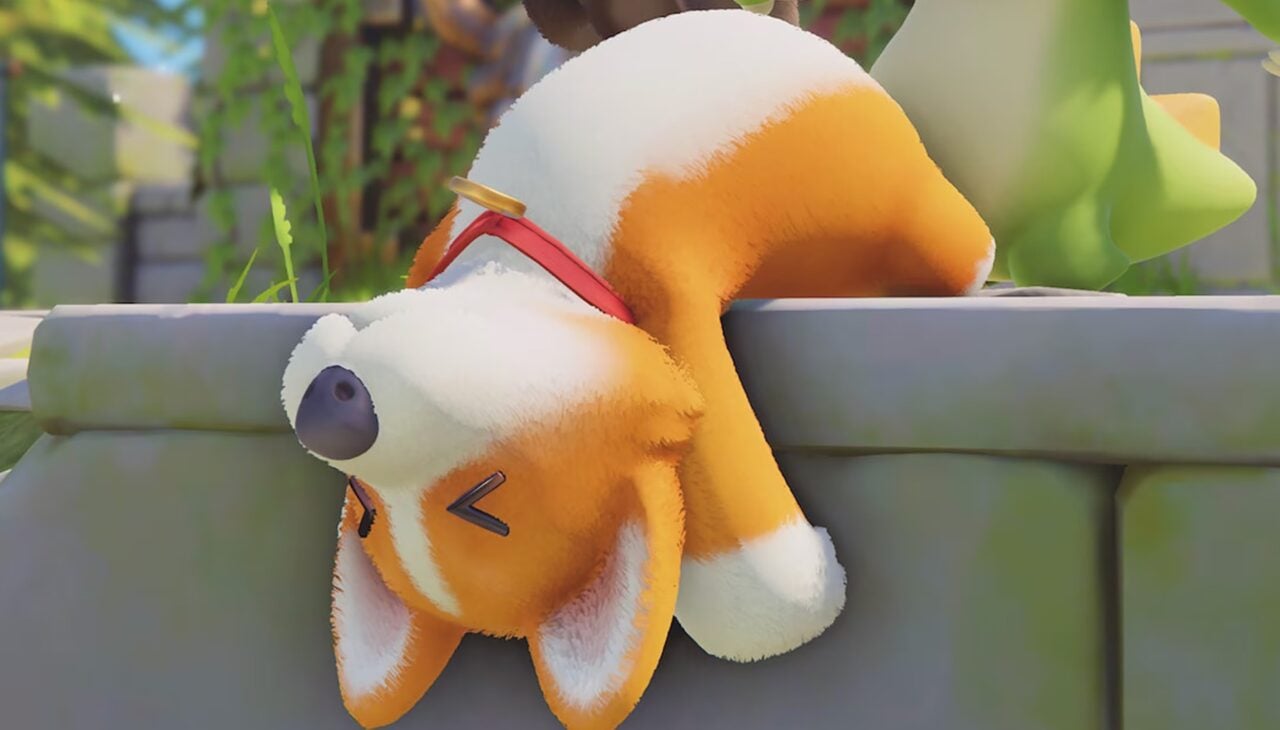
*Party Animals*, an endearing multiplayer physics-based party game showcasing cute animals in amusing brawls and mini-games, initially received a warm welcome after its launch in 2023. Players relished the game’s carefree spirit, and numerous devoted fans racked up considerable playtime. Nevertheless, the game’s standing encountered considerable criticism following the developers’ announcement of an AI video contest, igniting fury within its community.
On May 12, 2026, the official *Party Animals* Twitter account revealed the “Party Animals AI Video Contest,” which encouraged players to produce AI-generated videos centered on positive themes related to the game. This contest featured a notable prize pool of $75,000, designed to motivate players’ creative contributions. The announcement elicited a blend of enthusiasm and concern among the fanbase, particularly since the contest mandated that AI-generated content serve as the primary creative medium. Participants were required to craft original pieces employing various AI technologies, including images, video, music, and voiceovers.
However, the contest’s guidelines quickly raised immediate apprehensions, especially concerning the ramifications of utilizing AI in creative endeavors. Critics underscored a disconnect between the developers and the community, pointing out that many AI models rely on datasets that violate the rights of original creators—effectively transforming AI-generated art into a variant of plagiarism. As debates intensified across social media channels, players expressed their dissatisfaction, with many users pledging to boycott the game or cease support for the developers entirely. This widespread disappointment was mirrored in the game’s Steam rating, which plummeted to “Mostly Negative,” as long-time fans shared their sentiments through reviews critical of the company’s direction.
In reaction to the backlash, the *Party Animals* team released an apology just two days post-announcement of the contest. They confessed that their original goal was to encourage creativity rather than isolate their fanbase. To address the community’s anger, the developers sought input from their followers regarding the contest’s future, presenting three choices: cancel the contest completely, change it into an AI-free competition, or keep the AI component while adding a separate category for traditional art.
The developers’ request for public feedback arrived too late for many disenchanted players, and their apology offered little comfort to those who felt deceived. The contest’s objective of fostering creativity through AI, once seen as a groundbreaking idea, was met with skepticism; critics contended that it undermined the very essence of human creativity that has historically flourished in gaming culture.
The contest’s prize pool also drew scrutiny, with many connecting the proposed $75,000 to a concerning trend in the industry, where the emphasis on AI-generated content jeopardizes job security for human developers and artists. Observers remarked on the irony of providing a financial reward for content that could further reduce the role of human creativity, a fundamental aspect cherished during the development of *Party Animals* as a beloved title.
Ultimately, the debate surrounding the *Party Animals AI Video Contest* raises crucial questions about the future of creativity in gaming and artistic pursuits. While advancements in AI technology have opened up new avenues for content creation, the backlash from engaged communities highlights that authenticity and the safeguarding of human creativity are of paramount importance. As players unite against the commercialization of AI-generated content, developers now face the challenge of balancing innovation with the expectations of their loyal fanbase.