**Increasing Expenses in the Gaming Hardware Sector: A Comprehensive Examination**
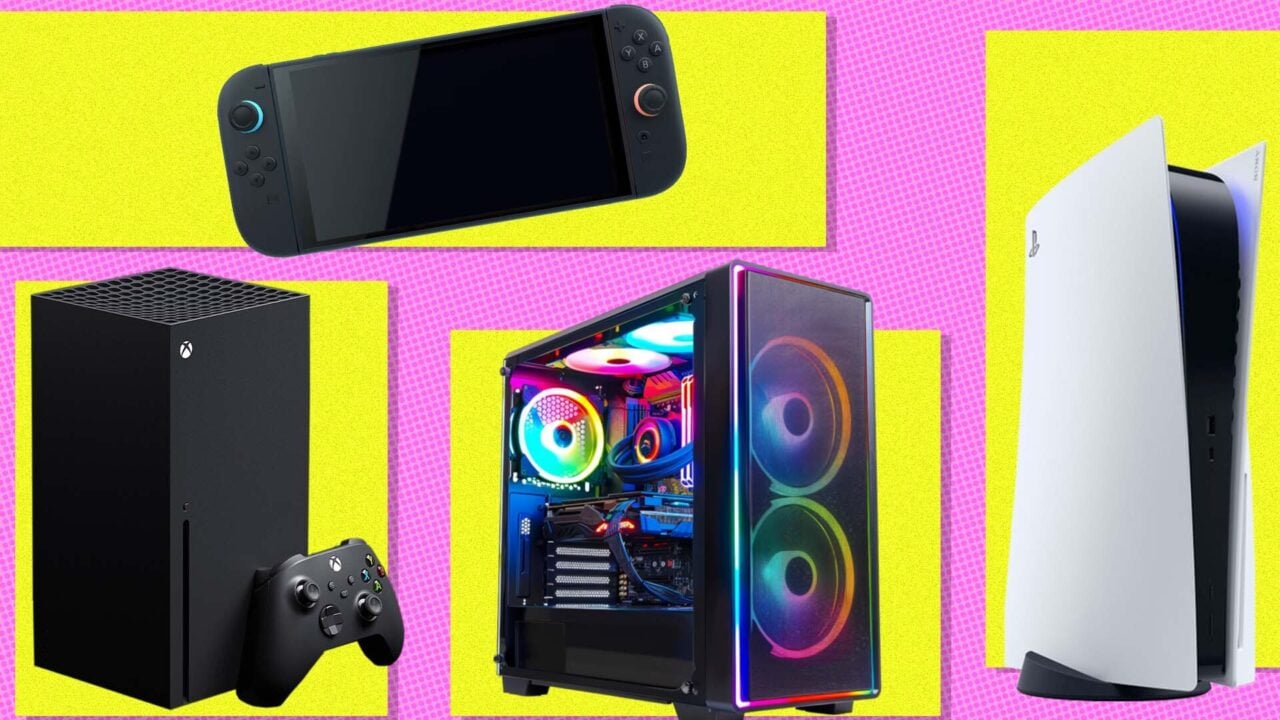
Last week, Valve made a substantial increase in the price of its Steam Deck, raising the price of both models by more than $200. This action has sparked considerable worry about its effect on the overall gaming hardware sector. At the same time, Nintendo is anticipated to introduce a minor price increase for the new Switch 2, while both the Xbox Series X and PlayStation 5 have encountered several price hikes worldwide. This phenomenon occurs amid rising expenses across numerous sectors, including food and housing, adding extra pressure on consumers.
### **What is Causing the Price Surge?**
A key factor in the increasing costs of gaming hardware is the ongoing RAM shortage. A spike in demand for RAM, primarily driven by the growth of AI data centers, has seriously impacted supply chains. Joost van Dreunen, a professor at NYU Stern, elucidates that the escalating RAM prices, exacerbated by U.S. tariffs, have introduced instability in the market. As manufacturers grapple with unsold inventory that few buyers are interested in at elevated prices, hardware costs have noticeably climbed.
Dr. Serkan Toto, CEO of Kantan Games, points out that sustained global inflation and geopolitical matters, including the ongoing conflict in Iran, make matters even more complex. Daniel Ahmad from Niko Partners notes that currency fluctuations also play a role but highlights that areas such as Asia and MENA display resilience and potential for growth in these trying times.
### **Is There an End in Sight for Hardware Price Increases?**
The prevailing opinion among experts is that expenses related to gaming hardware are not expected to drop anytime soon. Projections indicate that price stabilization may not be realized until between 2027 and 2029. As Rhys Elliott from Alinea Analytics states, many of the current price hikes stem from long-term agreements that are currently being renegotiated at heightened rates, signaling ongoing strain throughout the industry.
Experts propose that there is no definitive ceiling on price hikes; the sustainability of premium prices relies on nurturing a robust user base. As gaming ecosystems continue to grow, particularly with extended support for current-generation consoles like the PS5, price increases appear manageable for the time being.
James McWhirter from Omdia cautions that for handheld devices like the Switch, further price increases are anticipated, especially with new console generations launching under difficult market circumstances.
### **Prospective Price Trends**
The possibility of prices returning to prior levels is met with doubt. Current market dynamics, driven by heightened demand from corporate “hyperscalers” and extensive production timelines, indicate that once supply issues are resolved, prices are unlikely to revert to pre-2026 standards.
Industry experts, including Tiago Reis from Newzoo, foresee a new baseline for gaming hardware pricing. This modification represents a departure from aggressive manufacturing subsidies that were standard in earlier console generations. The pattern suggests a potential exclusion of budget-conscious consumers from premium gaming experiences, steering them towards alternative models such as cloud gaming services.
### **The Endurance of Gaming Accessibility**
Despite the rising costs of hardware, the gaming environment continues to evolve. Analysts maintain that while high-end gaming might become a luxury, other gaming segments—especially mobile and free-to-play models—will flourish. With a significant amount of playtime focused on older titles, gaming stays accessible even in the face of growing expenses.
While worries about the gaming experience transforming into a luxury persist, avenues in budget gaming and diverse financial structures—like subscriptions and internet café gaming—present opportunities for greater accessibility.
### **Final Thoughts**
In conclusion, the recent surges in gaming hardware prices indicate a tumultuous phase influenced by various aspects, including supply chain challenges, inflationary influences, and evolving market demands. Although the future remains unpredictable, particularly regarding pricing approaches and consumer accessibility, the industry is set for substantial transformation as it addresses these obstacles. Ultimately, the resilience and adaptability of the gaming ecosystem may cushion against additional economic pressures.