**Title: The Debate Over Tupac Shakur’s Role in Ryu Ga Gotoku Studio’s *Stranger than Heaven***
The excitement surrounding *Stranger than Heaven*, the forthcoming release from Ryu Ga Gotoku Studio, was intense among enthusiasts of the *Yakuza* franchise. This latest entry promised to merge the studio’s distinctive narrative style with the lively and artistic features of the Jazz Era. However, joy morphed into disillusionment upon the revelation that the iconic rapper Tupac Shakur would appear as a character in the game, sparking discussions about the ethical considerations of using the likenesses of legendary figures in contemporary entertainment.
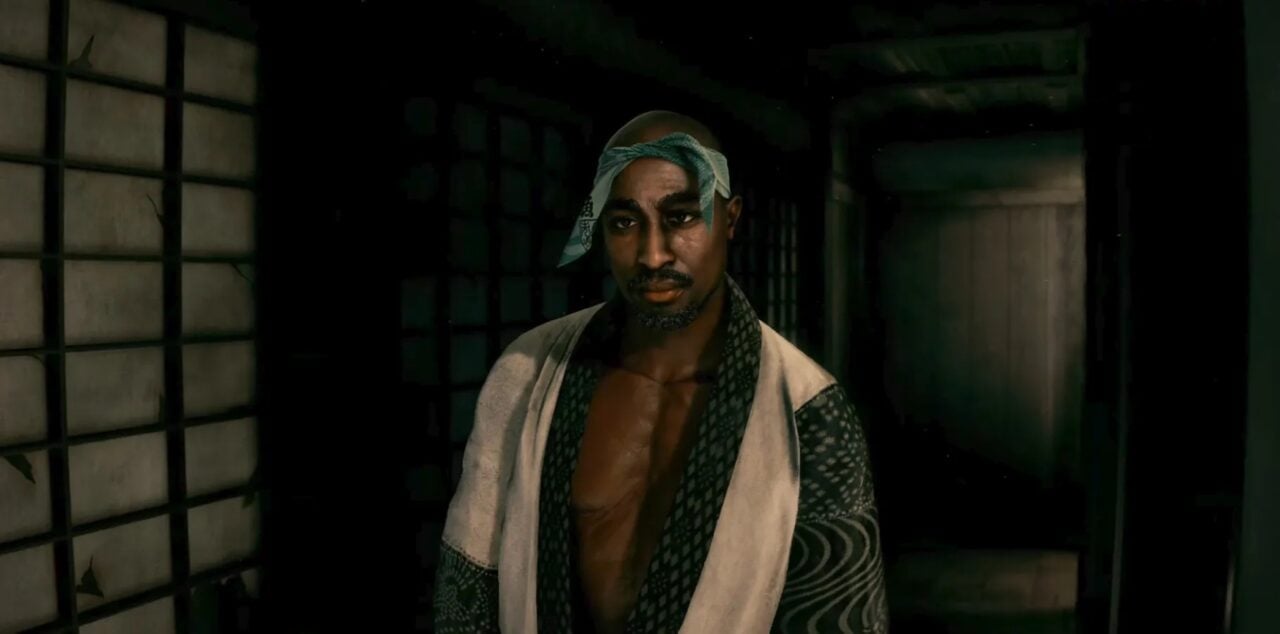
Tupac’s presence in *Stranger than Heaven* was revealed through a short preview, displaying him adorned in classic Japanese-style clothing paired with his recognizable bandana. To rationalize this contentious decision, the game’s creators brought in Snoop Dogg, who also makes an appearance in the title. Snoop mentioned that he and his son, through their collaboration Death Row Games, worked together with the Shakur estate to introduce Tupac to the gaming realm. “It felt right to include him in this game,” Snoop remarked, indicating a somewhat casual acceptance of this peculiar choice.
Critics contend that Tupac’s inclusion goes beyond simple artistic expression and ventures into an area some have labeled “zombie capitalism.” The rapper, who met a tragic end almost 30 years ago, has been revived in a commercial setting, raising ethical questions. How can a figure of such significant cultural influence be employed without the chance of exploiting their legacy for monetary gain?
Ryu Ga Gotoku Studio’s background with posthumous character portrayals further complicates the discussion. Alongside Tupac, the studio has revealed the return of Bunta Sugawara, a renowned Japanese actor celebrated for his roles in classic yakuza films, who passed in 2014. Although the creators have claimed that no artificial intelligence was employed in recreating Shakur’s likeness, choosing instead a careful method based on archival footage and images, the ethical considerations are still hotly debated.
Both fans and industry analysts are apprehensive that the trend of reviving deceased figures for entertainment might compromise the authenticity of the artistic medium. Many are concerned that Tupac’s historical importance and legacy could be diminished when linked with video games, often perceived as less serious or without the depth found in music and film.
While the intent may be to honor Tupac’s legendary standing in a manner that resonates with younger audiences, critics argue that such initiatives could instead trivialize the contributions of the artists themselves. They emphasize the importance of honoring the limits of creative collaboration, particularly with individuals who can no longer provide consent or feedback regarding their representations.
As the gaming community eagerly awaits the launch of *Stranger than Heaven*, it remains uncertain how players will respond to Tupac’s character and whether this decision will be met with approval or backlash amid increasing concerns regarding authenticity and reverence in the portrayal of cultural figures. In the end, the choice to incorporate a person like Tupac Shakur highlights the intricacies of digital resurrection and the obligations that creators have towards the legacies of those who have influenced our cultural fabric.