# The Adventures of Elliot: The Millennium Tales – A Game Developed with Player Input
The current gaming environment frequently showcases free demos, network tests, or open betas that provide players with insights into forthcoming games. While many developers implement changes driven by player feedback, not all studios openly reveal these modifications. Nevertheless, *The Adventures of Elliot: The Millennium Tales* emerges as a significant exception. This forthcoming title from Team Asano and Square Enix has been profoundly influenced by player contributions, resulting in major improvements that underscore a dedication to engaging with the community.
## Major Revisions From Player Input
Following the release of the introductory demo of *The Adventures of Elliot* last year, the developers created a list of alterations that brought about substantial revisions rooted in player recommendations. Among these changes were simplified menu systems for quicker access to weapons and abilities, notable modifications to the Magicite equipping process for character setups, an enhancement in Elliot’s fundamental movement speed, and the addition of various difficulty modes. These updates extend beyond mere polish or small adjustments; they represent a committed endeavor by the development team to improve gameplay informed by the community’s insights.
One notable change came unexpectedly to the developers: players voiced their discontent regarding Faie, Elliot’s fairy partner, claiming her excessive dialogue was irritating. Producer Naofumi Matsushita acknowledged that the team, having grown fond of Faie during the lengthy development phase, had not perceived her dialogue as troublesome. In response, the team has implemented an option to lessen her dialogue frequency, directly addressing player feedback.
## Development Insights
In a discussion, Matsushita reminisced about the game’s progression. He disclosed that, inspired by their previous creations such as *Octopath Traveler*, the team shifted toward the action RPG genre to engage a wider audience. The game’s development started with sequential prototypes rigorously focused on action mechanics, incorporating combat systems and movement dynamics. Gradually, as they refined Elliot’s character and Faie’s function, they experienced a substantial developmental pivot toward crafting an immersive action RPG experience.
Team Asano strived for a character-driven storyline, enabling players to connect with Elliot as he navigated different periods and confronted various trials. This character-focused approach signaled a shift away from the ensemble casts typical of earlier titles and was a deliberate choice aimed at cultivating a stronger bond between players and the main character.
## Nostalgic Inspirations and Throwbacks
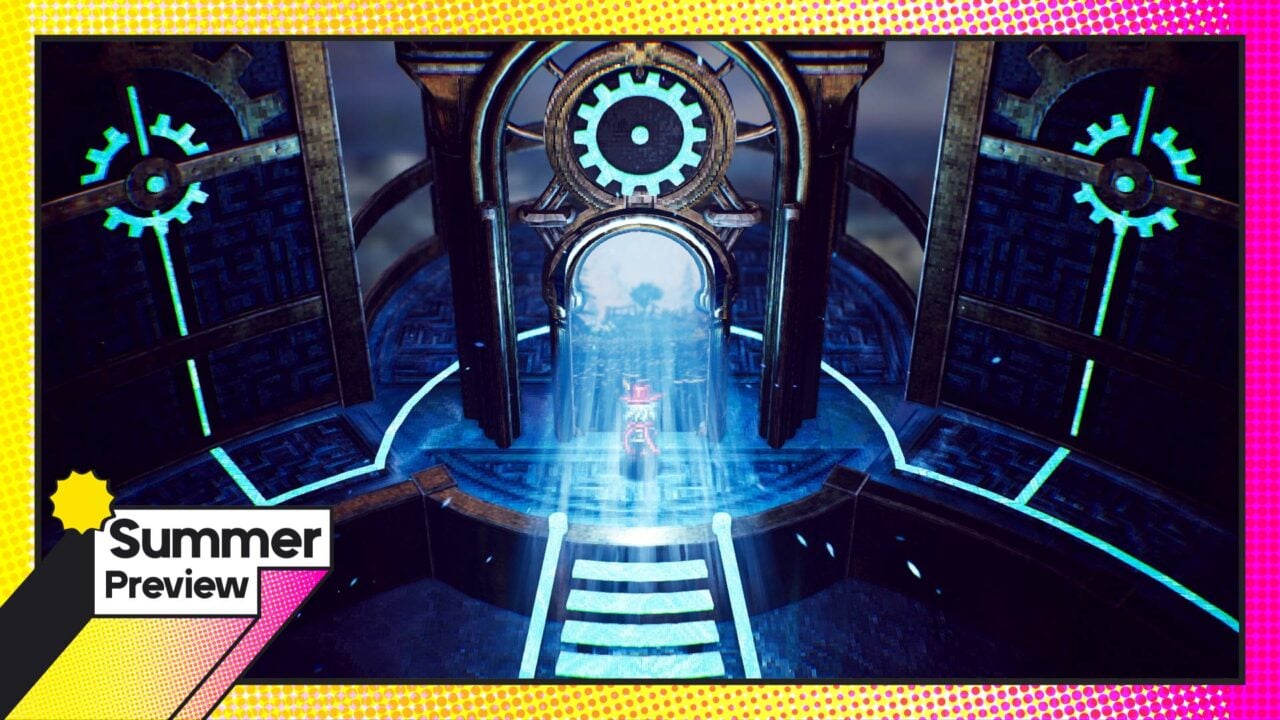
*The Adventures of Elliot* aspires to evoke the nostalgic aesthetics of earlier Square Enix games while presenting an innovative narrative. While it takes cues from iconic RPGs like *Final Fantasy* and *Chrono Trigger*, the developers stress that the game is not simply a tribute but a distinct interpretation that conveys their appreciation for these classic titles.
Matsushita expressed that the gameplay is crafted to embody a timeless tale while encapsulating the spirit of past Square Enix creations. Elements such as character interactions, emotional richness, and exploration of historical narratives emphasize this goal.
## Gameplay Innovations
The game sets itself apart from other HD-2D titles by centering on a single main character and adopting action-focused gameplay. This transition presents a new challenge for developers accustomed to juggling multiple character narratives and abilities. Each weapon featured in the game possesses distinct mechanics, offering varied combat experiences that heighten player engagement.
Moreover, the team has integrated user-friendly menu systems and accessibility options such as adaptable difficulty levels to ensure that the game remains inviting for both seasoned players and newcomers to the action RPG genre.
## Future Prospects
As *The Adventures of Elliot: The Millennium Tales* gears up for its launch on June 18 across multiple platforms, its dedication to incorporating player feedback and enhancing gameplay is apparent. The developers’ method represents an emerging trend in the gaming industry where player insights can profoundly influence game creation.
Fans can also anticipate a soundtrack that harmonizes with the game’s adventurous motifs, composed by Tomohiro Nakamichi and Yuto Moritani. With an extensive array of original compositions and additional tracks, players are encouraged to expect a memorable audio experience that enhances the visual storytelling.
In conclusion, *The Adventures of Elliot* aims not only to provide captivating gameplay but also serves as a testament to the significance of community feedback in influencing contemporary gaming experiences.