**Title: RGG Studio’s “Stranger Than Heaven”: The Controversial Inclusion of Tupac Shakur**
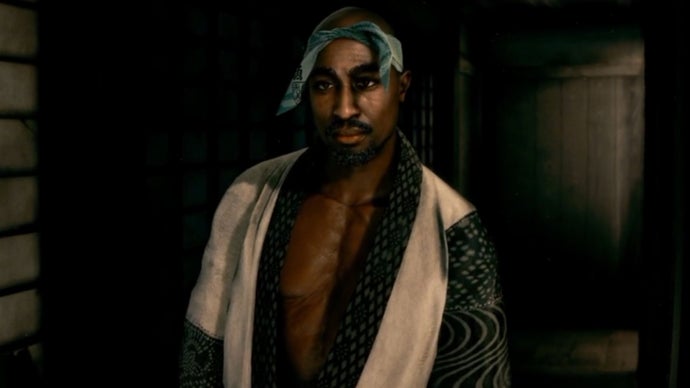
In the world of video gaming, the boundaries of creativity often push into unconventional territories. A recent example is RGG Studio’s upcoming game, “Stranger Than Heaven,” which recently gained attention for its unique blend of Japanese history and hip-hop culture, notably featuring a digitally resurrected version of the late rapper Tupac Shakur. This bold decision has sparked discussions among fans and industry critics alike as the studio attempts to explore the intersections between real-life figures and fictional narratives.
**Overview of “Stranger Than Heaven”**
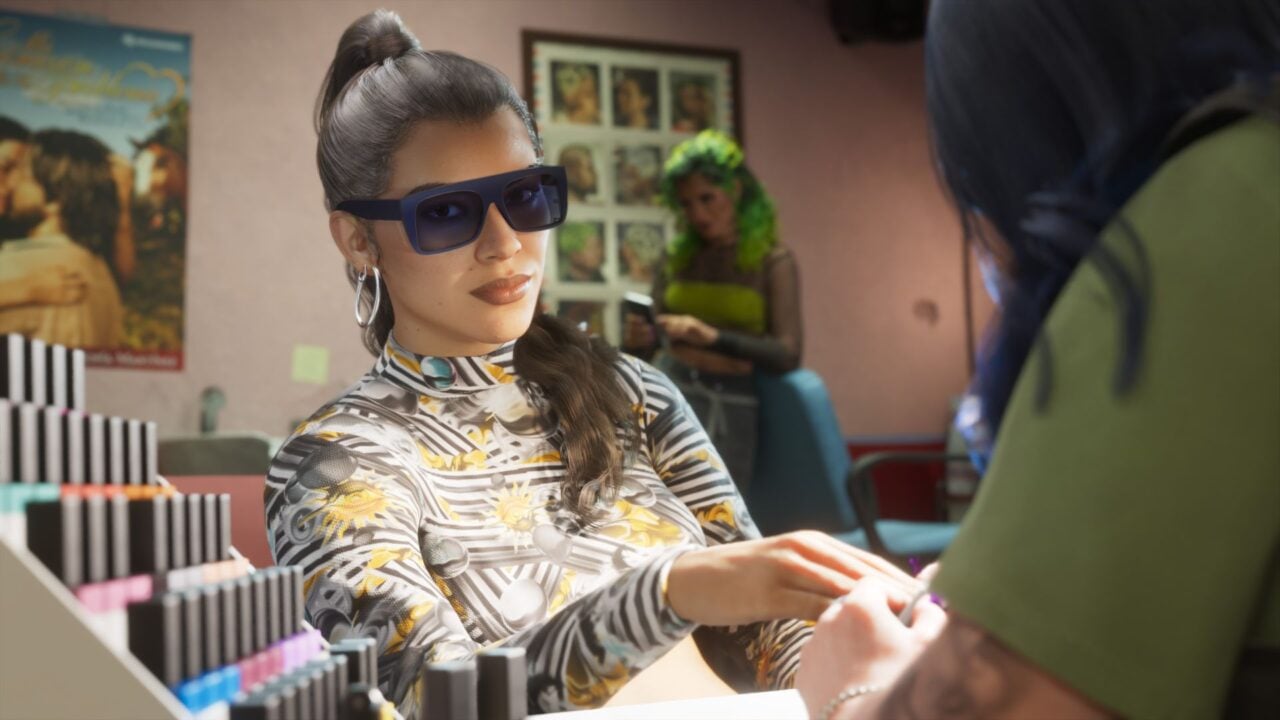
“Stranger Than Heaven” is described as a Japanese history-hopping crime brawler, aiming to delve into the origins of the Tojo Clan, a central element of the Yakuza franchise. The game showcases RGG Studio’s commitment to intricate storytelling, combining historical contexts with modern-day cultural references. While the game was initially overshadowed by the announcement of its release date, it soon garnered widespread attention due to the inclusion of Shakur.
**The Decision Behind Tupac’s Inclusion**
Masayoshi Yokoyama, the head of RGG Studio, explained that the inclusion of Tupac originated from their casting choice of Snoop Dogg, who plays a smuggler named Orpheus in the game. Yokoyama shared that the goal was to incorporate notable figures with rich histories and relationships. In discussions with Snoop Dogg, Tupac emerged as a fitting character, fostering a pivotal relationship within the game’s narrative.
Yokoyama emphasized the emotional weight behind Tupac’s inclusion, pointing out that the relationship between him and Snoop Dogg could resonate deeply with players, potentially evoking emotional responses based on their real-life friendship.
**Navigating Legal and Ethical Considerations**
The inclusion of Tupac in gaming raises complex legal and ethical questions, particularly given the controversial circumstances surrounding his estate. Legal complications emerged due to ongoing disputes regarding the management of Tupac’s legacy, notably involving his sister Sekyiwa Shakur and the estate’s executor, Tom Whalley. Despite these challenges, Yokoyama assured that they sought permission from both Tupac’s family and his estate, intending to honor his legacy while exploring a hypothetical, modern interpretation of the rapper.
Yokoyama articulated a vision of portraying Tupac not as he was in the past, but as a reimagined figure who might exist today. This intent to create a contemporary representation prompts further debate about authenticity and respect for the deceased, coupled with the potential implications of digital resurrection in media.
**Framing Tupac within the Game’s Context**
Critics voiced skepticism about setting a character like Tupac, who was not alive during the game’s historical timeframe, in a narrative that spans 20th-century Japan. This raises questions about the appropriateness of integrating a modern figure into a context steeped in historical significance. Some argue that there are numerous contemporary artists who could have filled this role effectively without the baggage that comes with resurrecting a legendary figure like Tupac.
Moreover, the approach of creating a character that reflects who Tupac could be today—as opposed to a historical likeness—has not assuaged concerns among fans who find the decision challenging to reconcile given the game’s temporal setting.
**Conclusion**
The choice to include Tupac Shakur in “Stranger Than Heaven” reflects RGG Studio’s ambition to blend storytelling with cultural commentary, but it is not without its controversies. As the gaming community awaits the game’s release, the discussions surrounding its character choices indicate a broader conversation about representation, digital ethics, and the responsibility that comes with portraying real-life figures in fictional narratives. Whether “Stranger Than Heaven” will successfully navigate these waters remains to be seen, but its audacious decisions have certainly kept it in the spotlight.