### Xbox’s Future: Major Changes and Game Development Strategy
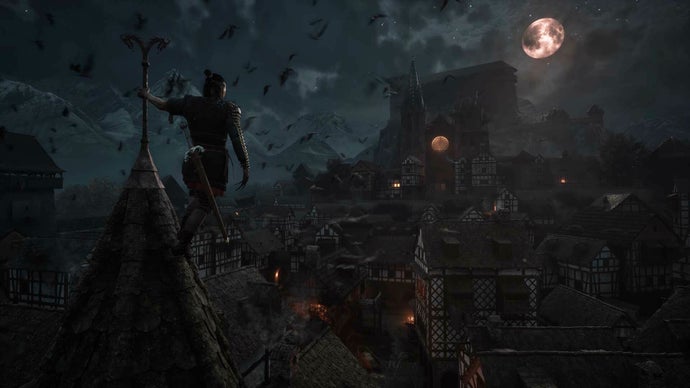
Recent reports indicate that significant transformations are on the horizon for Xbox, with potential implications that may include mass layoffs. The current focus of Xbox’s leadership, especially under Asha Sharma, revolves around accelerating the development of new entries in landmark game franchises such as Fallout and The Elder Scrolls. This strategic shift is likely a response to broader organizational considerations, including the possibility of restructuring Xbox as a subsidiary under Microsoft, which is also weighing partnerships to create a joint venture with other companies.
#### Restructuring and Subsidiary Considerations
According to sources, including The Information, Microsoft is contemplating converting Xbox into a separate sub-company while retaining ownership. This model is not unprecedented for Microsoft, as evidenced by their management of subsidiaries like LinkedIn and GitHub. The idea could mirror other industry moves, such as Ubisoft’s collaboration with Tencent to establish Vantage Studios, which oversees multiple game franchises. However, the strategic restructuring poses challenges and uncertainties about how it may affect the development trajectory of Xbox.
#### Increased Investment in Game Development
Amid these structural considerations, Microsoft CEO Satya Nadella and CFO Amy Hood have reportedly endorsed Sharma’s proposal to enhance funding for high-quality game production starting this fiscal year. This plan aims to expedite the development process for major franchises, specifically naming Fallout, The Elder Scrolls, and Halo. Such a pivot towards prioritizing rapid game development reflects a shift in Xbox’s approach to catering to long-standing audiences that have been waiting for new content.
#### Industry Context and Challenges
The gaming industry has experienced elongated development cycles, which have increasingly become the norm. Bethesda’s recent projects, such as Starfield, epitomize this trend, revealing the complexities and risks involved in game development. While Starfield aimed to replicate the success of its predecessors, its reception indicates the discrepancy often found between expectations and reality, emphasizing the pressing concern of costly development timelines.
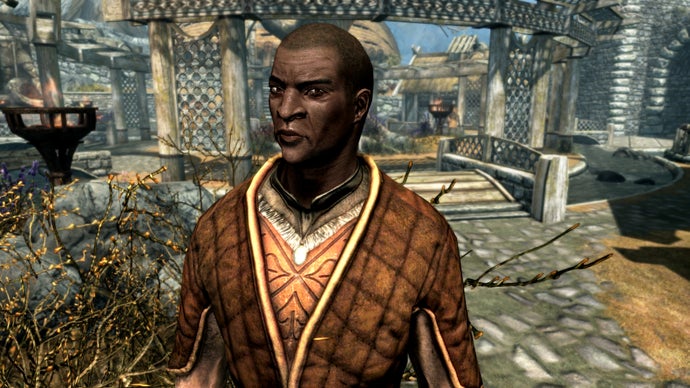
Looking back, there was a significantly shorter gap between major releases in the past; for instance, The Elder Scrolls V: Skyrim was launched less than six years after The Elder Scrolls IV: Oblivion. The current wait for The Elder Scrolls VI stretches over 14 years, indicative of an industry at a crossroads. While Microsoft’s push to deliver new content may stem from a desire for profitability, rushing to meet timelines without adequate preparation could undermine the quality that fans expect.
#### Balancing Remasters and New Releases
To mitigate these challenges, less ambitious spin-off projects could provide a feasible solution. However, Xbox has leaned towards remastering older titles—such as the recent re-release of Oblivion—rather than developing new experiences. While tapping into nostalgia may temporarily satisfy audiences, it risks intensifying the demand for innovative content and creating further disappointment if new material fails to meet the established standards.
#### Conclusion
As Xbox navigates potential restructuring and increased development funding, the company’s future hinges on balancing quality and quantity in game releases. The success of this strategy, particularly in enhancing beloved franchises like Fallout and The Elder Scrolls, will ultimately dictate Xbox’s standing in a competitive gaming landscape. The driving forces behind these developments suggest a critical juncture for Xbox as it seeks to redefine its place in the market while responding to evolving consumer expectations and pressures.