**Understanding the Pricing and Market Challenges of the New Steam Machine**
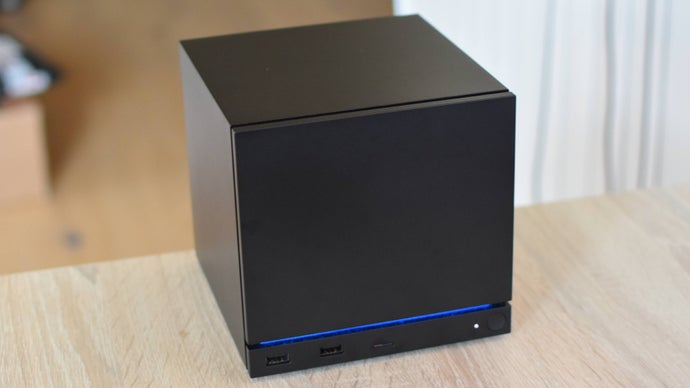
The newly announced Steam Machine from Valve has entered the gaming hardware landscape with a price point that has raised eyebrows. Starting at £879 / $1049 / €1039 for the base 512GB model and escalating to £1149 / $1349 / €1359 for the 2TB version, it signals a significant investment for gamers looking to embrace this new entry-level PC option. Additionally, including a Steam Controller can push the total cost to £1208 / $1428 / €1428, making affordability a key concern.
Valve’s internal discussions reveal that the pricing reflects the tumultuous state of component costs within the technology industry. Designer Lawrence Yang and engineer Yazan Aldehayyat commented on the complex environment surrounding the production and availability of essential parts. Aldehayyat voiced the desire for the Steam Machine to serve as an affordable entry-point for gamers; however, the reality of prices being higher than anticipated cannot be ignored. The team acknowledged that while they aimed to create a competitively priced product, the ongoing shortages and inflation of components, particularly RAM, have complicated their goals.
This sentiment is echoed in a blog post from Valve, which outlined their initial expectations versus the current reality of component pricing. The post explained that over the past year, the evolution of hardware pricing has not proceeded as historically anticipated; the expectation that the costs of components would decrease has been thwarted by various market pressures, leading to a reassessment of the anticipated pricing structure for the Steam Machine.
The impact of component shortages is not isolated to the Steam Machine. Valve’s Steam Deck, previously regarded as a budget-friendly gaming device, has also seen price increases of up to 46%, reflecting similar market challenges. This trend underscores the fragility of affordability in the current hardware market.
As Valve continues to navigate this landscape, the future pricing strategy remains uncertain. Aldehayyat emphasized the unpredictability of market trends, indicating that making forecasts about potential price drops would be speculative at best. Yang reiterated the prevailing sentiment within the industry: the current costs of components are too high, and their scarcity presents ongoing challenges for manufacturers.
In conclusion, the introduction of the Steam Machine highlights significant hurdles in the gaming hardware sector, primarily influenced by rising component costs. While Valve intends to provide a budget-friendly option, the economic realities of manufacturing in today’s market complicate those intentions. Gamers and enthusiasts alike will need to consider not only the upfront costs but also the broader implications of hardware availability and pricing trends as they evaluate their options in an evolving landscape.