**Examining Queer Representation in the Final Fantasy VII Remake Trilogy**
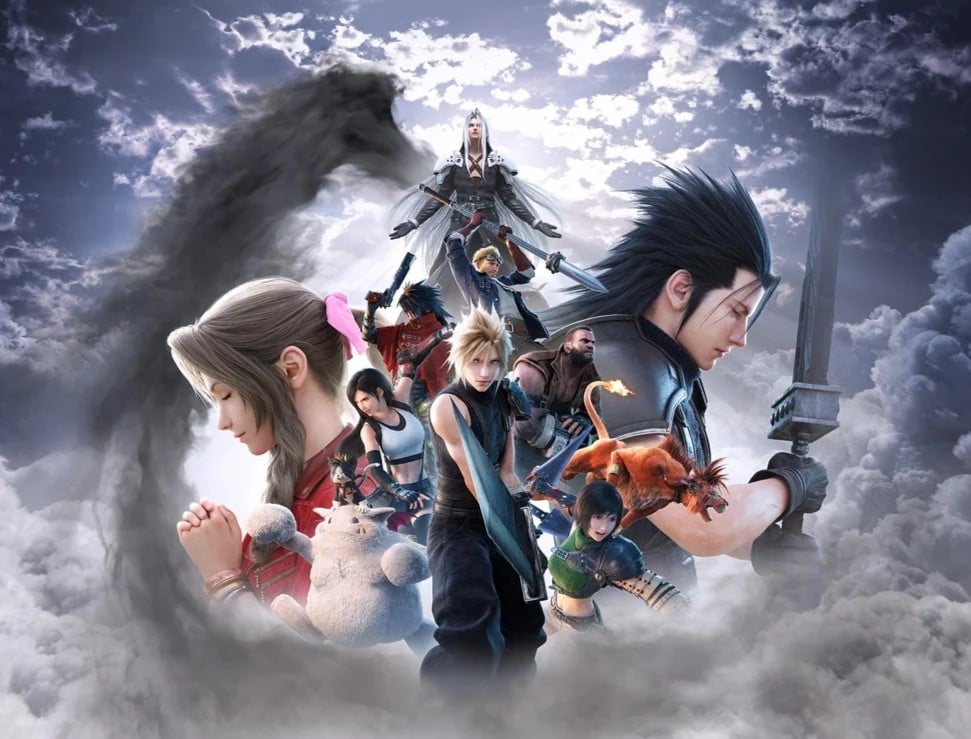
The *Final Fantasy VII* remake trilogy has made notable advancements in crafting a more dynamic and genuine world, a vision propelled by game director Naoki Hamaguchi. Striving to fill the universe with characters and narratives that mirror the variety of real life, the developers have integrated numerous queer background characters that enrich the storyline as protagonists Cloud and his companions venture forth on their quest.
In a revealing interview with *The Gamer*, Hamaguchi highlighted the significance of incorporating queer romances to boost the authentic feel of Midgar and beyond. He remarked, “*Rebirth* is a game where you experience numerous towns, cultures, and relationships during your journey. In my perspective, the existence of diverse, genuine relationships throughout that journey also enhances the world’s authenticity.” This considerate strategy signifies a crucial progression towards inclusivity in gaming, particularly within the *Final Fantasy* series.
One prominent example of this representation is a narrative involving a pair of women who initiate their relationship through conflict. Players have witnessed their evolution from rivals to a loving couple, illustrating the depth and authenticity of LGBTQ+ relationships. Hamaguchi assured audiences that such plots were not introduced merely to fulfill a requirement but were developed with thoughtfulness and earnestness. “Our intention wasn’t to include a same-sex couple solely for the purpose of inclusion,” he clarified. “But to accurately depict the stories of those living in this world with thoughtfulness and sincerity.”
This considerate integration of queer narratives contrasts with previous remarks made by other titles in the *Final Fantasy* franchise. For instance, Naoki Yoshida, the director of *Final Fantasy XVI*, encountered backlash for his statements regarding the lack of diversity, suggesting that including ethnic diversity would clash with the game’s narrative scope. Hamaguchi’s methodology signifies a transition towards a more inclusive narrative framework within Square Enix, illustrating that varied representation can coexist with intricate storytelling.
In summary, the *Final Fantasy VII* remake trilogy does promise a world that feels vibrant and authentic, with diverse characters that embody a wide range of human experiences and identities. As players traverse this elaborate landscape, they are not just engaging with a game but also connecting with narratives that recognize and celebrate the intricacies of love and relationships in all their forms. This marks an exhilarating advancement in the realm of gaming and storytelling, advocating for inclusivity and authenticity.