**The Ongoing Debate about Gender Representation in *House of the Dragon***
*House of the Dragon*, a precursor to the legendary *Game of Thrones*, aimed to delve into the intricate lore of Westeros while highlighting the internal strife within house Targaryen. Nevertheless, the series has swiftly become entangled in debates regarding the depiction of women on screen, particularly in terms of sexual assault. This has prompted serious worries, especially in the context of the original series’ record of explicit portrayals of violence against women.
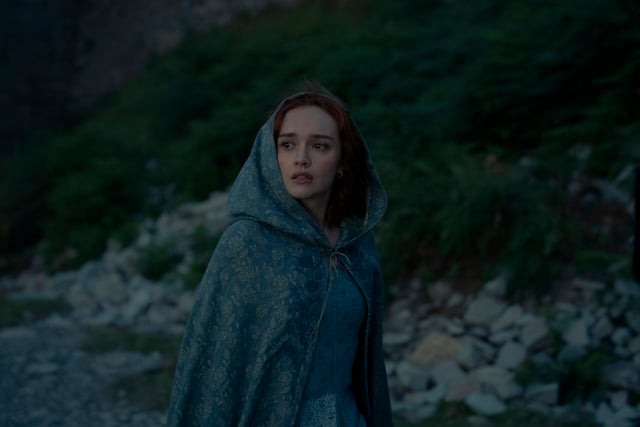
In a recent episode, a troubling scene emerged featuring Alicent Hightower, the Dowager Queen, as she tries to flee the capital city with her family. Tensions rise when she confronts a council member who attempts to assault her. Although the scene subverts expectations by avoiding physical assault at the last second, the aftermath leaves viewers disturbed. The assailant attempts to twist the narrative by claiming that the assault was warranted, reflecting the harsh realities many survivors encounter, where their experiences are trivialized or disregarded.
This depiction has rekindled criticisms akin to those aimed at *Game of Thrones*, where prominent female protagonists, like Cersei Lannister and Sansa Stark, endured multiple assaults. Scholars and critics have pointed out that these stories frequently harness trauma to generate drama, resulting in significant backlash against the series. Given this historical backdrop, many had hoped *House of the Dragon* would advance with greater mindfulness.
In spite of these issues, the depiction of sexual violence in *House of the Dragon* prompts questions about narrative necessity. The sequence in question does not considerably enhance Alicent’s character trajectory or fulfill a clear role in the storyline, as the incident seems more gratuitous than essential. Critics assert that when narratives involve delicate subjects like sexual assault, creators must contemplate the messages being conveyed and their broader implications for viewers and society.
Moreover, this particular moment was not taken from George R.R. Martin’s original works, indicating that the creators opted to incorporate this unsettling content intentionally. The suggestion that violent narratives are a signature of the franchise adds to the frustrations of audiences longing for greater sensitivity and innovative storytelling methods.
Alicent’s narrative, focused on the quest for power within a patriarchal framework, could have been examined through various perspectives of female agency and rivalry. By concentrating on the political dimensions of the conflict between women, *House of the Dragon* had the opportunity to depict the complexities of female power dynamics without resorting to harmful stereotypes of sexual violence.
In conclusion, while *House of the Dragon* has the chance to set itself apart from its predecessor, its decision to portray sexual violence continues to attract criticism. Numerous viewers and critics call for a more refined and respectful depiction that recognizes the intricacies of women’s experiences without falling back on outdated narrative techniques. By acknowledging these challenges, creators can ensure that storytelling evolves in a way that respects survivors and enriches the narratives surrounding female characters in media.