### The Transformation in Console Gaming: From PS4 to the Demise of Physical Media
The introduction of the PlayStation 4 (PS4) and Xbox One represented a crucial evolution in the gaming sector, marked by divergent philosophies from Sony and Microsoft. The two companies had engaged in a heated rivalry during the preceding console generation, and their strategies during the unveiling and releases of their new systems were remarkably distinct.
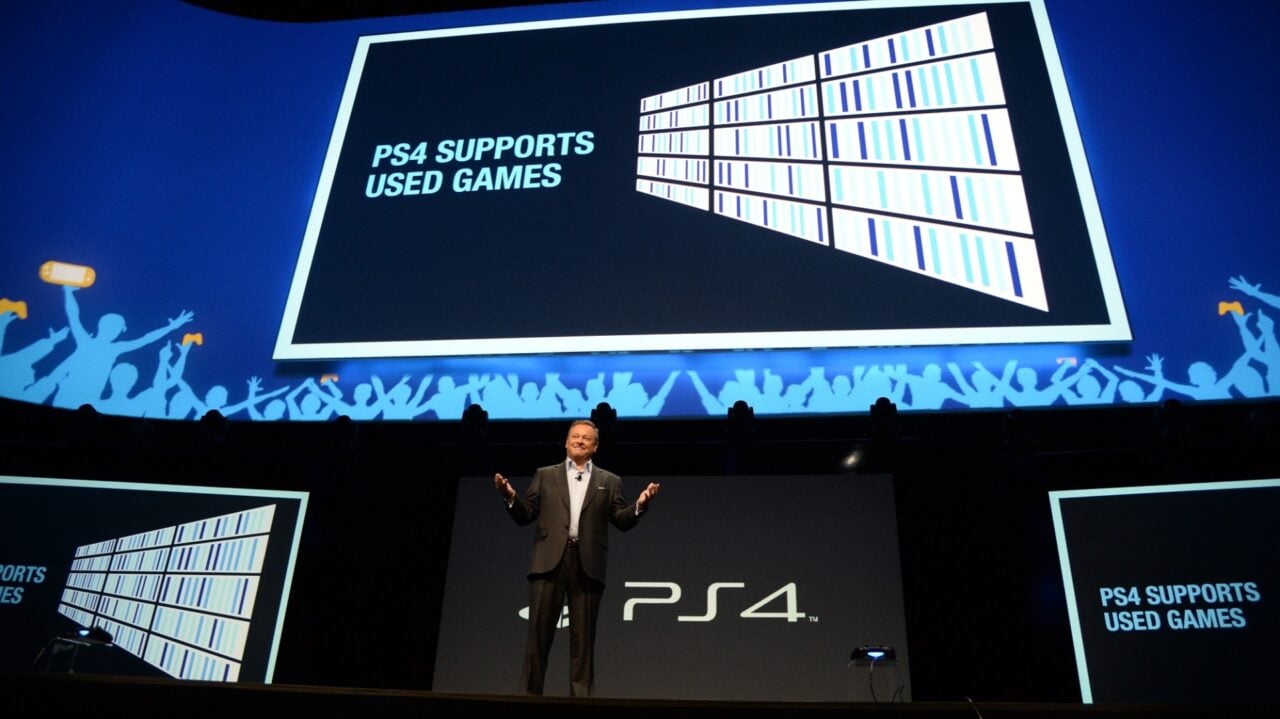
Sony adopted a firm position against Microsoft’s early intentions to enforce online Digital Rights Management (DRM) restrictions on game discs for the Xbox One. This approach backfired significantly for Microsoft, particularly after Sony leveraged its E3 2013 press conference to promote the benefits of owning physical games. Jack Trenton, then-CEO of Sony Interactive Entertainment America, stressed gamers’ entitlement to freely utilize their purchased games, a message that struck a profound chord with the audience. “When a gamer buys a PS4 disc, they have the rights to use that copy of the game. They can trade it in, sell it to another person, lend it to a friend, or keep it forever,” Trenton asserted. This dedication to user rights propelled Sony forward in the console competition.
Fast forward to today, and the narrative has shifted dramatically. Reports indicate that Sony intends to discontinue physical game discs with the arrival of the PS6 generation, marking a substantial shift from its previous promises. This change sharply contrasts with the messages conveyed during the PS4’s launch, where physical media was hailed as a fundamental component of the gaming experience.
As physical game sales face a downturn, it becomes increasingly clear why Sony is transitioning to digital-only formats. Even though approximately 70 million physical games are still sold annually, the swift shift to digital gaming is becoming the norm in the industry. By phasing out physical media by 2028, Sony is not just concluding the chapter on an outdated technology; it’s effectively limiting one of the remaining elements of consumer control in gaming.
From the viewpoint of console makers and game publishers, this transition offers various benefits. Digitization cuts down production costs, removes the secondary market for used games, and decreases the chances of pre-release leaks. However, the ramifications for consumers are troubling. There is doubt about whether the projected cost savings will be passed on to players, especially as game development budgets and production costs continue to rise.
The looming end of physical games marks the conclusion of ownership in the conventional sense — the ability to lend a game to a friend or keep it indefinitely. Unlike the optimistic messages shared during the PS4’s launch, such discussions about ownership are unlikely to resonate in a digital-only future. This dramatic change presents a unique opportunity for Xbox to reposition itself and draw in former PlayStation fans who may feel estranged by this shift.
In summary, the transition from the PS4’s enthusiastic endorsement of physical media to the impending digital-only reality of the PS6 depicts the intricate evolution of the gaming landscape. As the industry continues to evolve, the question lingers: what will the future of gaming ownership entail, and how will it affect players?