PlayStation’s strategy to halt the production of game discs by 2028 will lead to significant consequences. Gamers are losing one of the few dependable means to preserve their favorite titles, retailers are losing an essential product that draws in customers and fosters community, and collectors are losing a vital component of what makes gaming extraordinary. Ultimately, the only entity that truly benefits from this situation is Sony, which will now mandate that players acquire games exclusively through its digital storefront.
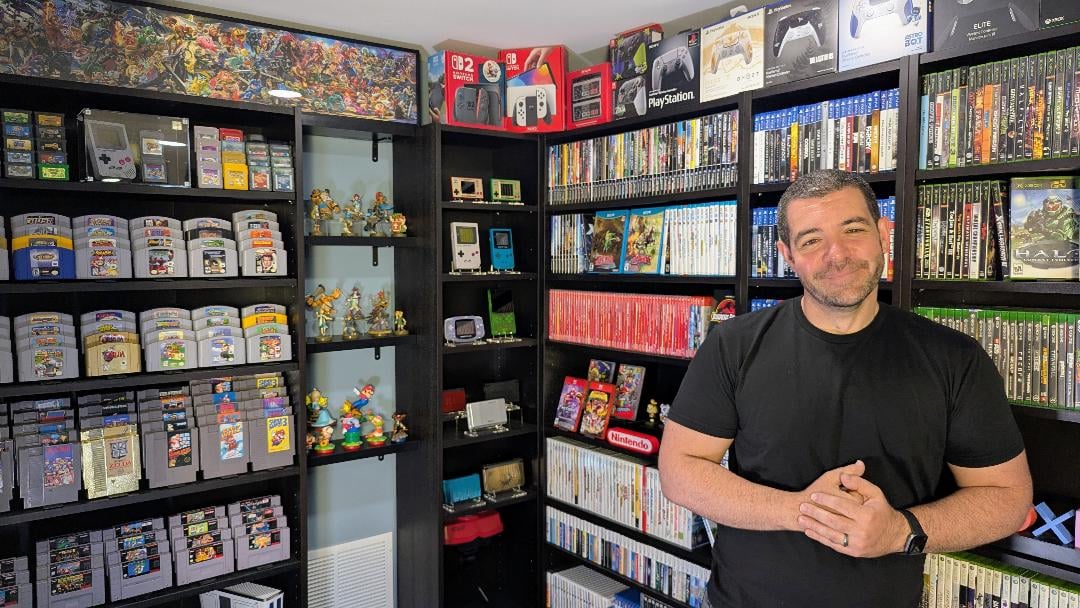
For many, a physical game collection signifies more than merely discs and cartridges; it represents nostalgia and community. Saurav, an HR professional from India, has been amassing games since high school, reminiscing about the thrill of owning physical copies that hold personal importance, such as his cherished steelcase edition of *The Last of Us Part II*. He considers his collection a tangible reflection of significant experiences, akin to his friend’s bookshelf.
In a similar vein, Carsten, a web developer in Belgium, describes his decade-old collection as a central feature in his home, serving as a focal point for discussions about games when friends visit. The tactile pleasure of handling physical media is something that many collectors value. Matt Welsh, a content creator from Pennsylvania who has been building his game collection since the ‘90s, treasures the memories linked to acquiring limited collector’s editions, highlighting the distinct thrill that physical purchases offer.
For numerous buyers, physical games were historically the sole feasible way to access new launches, especially in regions with unreliable internet. Welsh mourns the disappearance of the tactile joy of unwrapping a game and placing it into a console, contrasting it with the impersonal task of downloading digital titles. He emphasizes that physical games facilitate sharing and trading with friends, enriching the social dimension of gaming.
The drop in physical retail environments, where community engagements thrived, is noteworthy. The so-called “third spaces,” where people gather outside their residences and occupations, are diminishing. Specialty video game stores have traditionally acted as hubs for collectors, providing settings that are not dominated by corporate narratives. With Sony’s shift to digital-only sales, these communal experiences are threatened, as Saurav notes the loss of midnight releases and personal interactions that accompany the purchase of physical copies.
Despite alerts from collectors and industry experts regarding the looming transition to a fully digital landscape, many believed there would be time to adjust. Saurav expresses feelings of betrayal by Sony, sensing that his loyalty and investment in physical media have been undervalued. As speculation surrounding a potential PlayStation 6 being entirely digital increases, worries rise that physical collections may become obsolete, permanently severing connections to beloved titles.
Carsten struggles with the anxiety of needing to depend on his PS5 for backward compatibility in a future without physical media. He posits that while communities might transform, the passion for collecting will persist, akin to other collectible markets like vinyl records and comic books. Welsh, conversely, is concerned about digital ownership and the risk of losing access to games due to licensing complications, fearing a critical juncture for the future of video game accessibility.
The shift toward digital-only games evokes considerable worries regarding consumer ownership and the hazards linked to digital transactions. Without physical copies, there is an overarching fear that licenses may expire, leaving gamers at the mercy of corporate decisions. The thrill of past acquisitions may soon be overshadowed by uncertainty about what will remain accessible in the future, reshaping the evolution of video gaming culture as the industry continues to develop.