# The Complex World of Magical Girls in Anime and Gaming
The magical girl genre in anime and manga is a fascinating and multifaceted narrative, often characterized by its two predominant themes: the idealistic portrayal of young heroines who uplift those around them with the power of friendship and hope, and the darker interpretations that reveal the underlying exploitation and struggles behind their enchanted lives. This article explores these dichotomies, particularly in the context of the recent game “Dear Magical Girls” from GIGABlock Studio.
## The Dual Nature of Magical Girl Stories
At its core, the magical girl genre has evolved significantly since its inception. Traditionally, series like “Sailor Moon” and “Cardcaptor Sakura” focus on vibrant characters who harness their magical abilities to fight evil, often emphasizing themes of friendship, love, and bravery. These characters typically maintain a positive outlook, believing in the power of hope and the importance of camaraderie.
Conversely, a growing segment of the genre has emerged to critique and subvert these ideals. Titles like “Puella Magi Madoka Magica” shatter the innocent façade of magical girl narratives, unveiling a harsh reality filled with sacrifice, exploitation, and existential dread. This darker portrayal tends to question the societal and gender dynamics involved in the magical girl trope, revealing a world fraught with overwork, misogyny, and moral ambiguity.
## “Dear Magical Girls”: A Jaded Take on the Genre
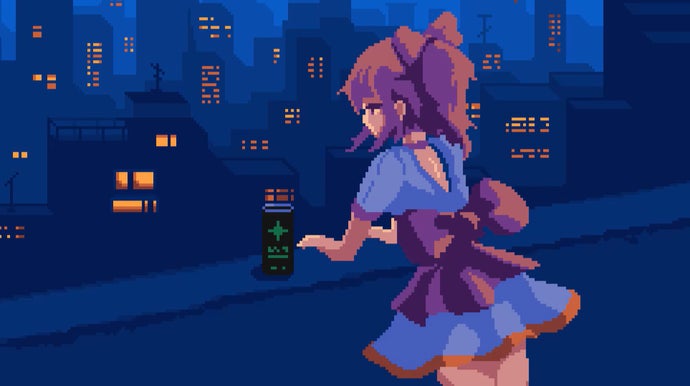
GIGABlock Studio’s “Dear Magical Girls” embodies this latter perspective. The protagonist, Arin, is depicted as a weary veteran of the magical girl ranks, tasked with defending the mana stones of her city. The game’s narrative emphasizes the emotional and physical toll of her responsibilities. As stated in the game’s Steam description, “Even when it hurts, even when it breaks you, a magical girl should always smile, right?” This lines up with the idea that the supposed joy and fulfillment of being a magical girl mask a deeper sense of exhaustion and resignation.
In “Dear Magical Girls,” players engage in real-time battles where they must manage Arin’s magical domain tactically. This involves reshaping a field of sorcery by manipulating vertices that form a protective barrier against encroaching enemies. Players must expand their territory strategically to encompass various resources that can enhance their abilities, reflecting the constant struggle Arin faces in protecting her realm.
## Gameplay Mechanics and Themes
The gameplay mechanics are intricately designed to reflect the protagonist’s internal conflict. As Arin fights to maintain her magical field, players must balance the growing challenges posed by multiple enemies and the necessity of conserving resources for future battles. The strategic elements of expanding her territory and utilizing buffs encapsulate the intricate weaving of Arin’s defense against both external threats and her internal fatigue.
Between battles, Arin experiences the reality of her burnout while solving mysteries related to the nature of magic and the origin of magical girls. The narrative hints at darker truths lurking beneath the surface, such as the possible existence of unethical experiments or hidden agendas stemming from her powers. Such themes provoke thought on the implications of magical girl tropes and the lengths to which individuals—especially women—might go under societal pressures.
## Character Dynamics and Speculation
The character dynamics introduced, particularly with Charlotte and Lily, enrich the narrative. Charlotte, presumably a mentor figure, may embody complicity in the troubling world Arin inhabits, while Lily represents an idealistic view of magical girls, idolizing them and aspiring to join their ranks. The tension between Arin’s cynicism and Lily’s youthful hope can lead to complex interactions, where Arin may grapple with feelings of resentment or protectiveness.
## Conclusion
“Dear Magical Girls” is a compelling addition to the magical girl genre, providing a refreshing yet jaded perspective on the archetype. As audiences engage more deeply with these narratives, it becomes evident that the complexities of magic girl stories reflect larger societal issues, prompting discussions about the nature of empowerment and the price of magical dreams. This game and its themes serve as a reminder that not all magical girl tales end in triumph, and that some are steeped in a reality much darker than the sparkles and rainbows typically associated with the genre.