**The Transformation in Gamer Attitudes: Call of Duty and the Debate Over Sony’s Digital Horizon**
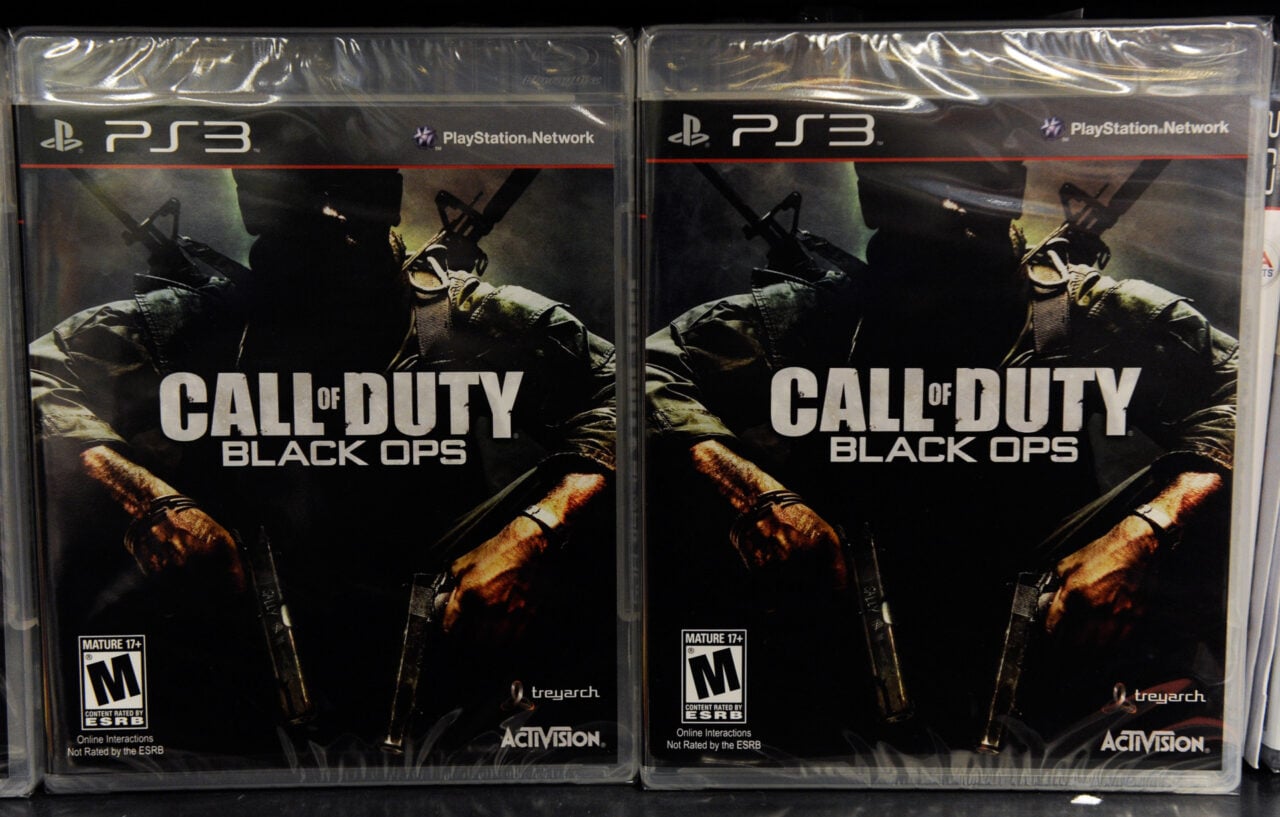
The active discussion regarding physical versus digital gaming has experienced a notable shift with the latest announcement that *Call of Duty: Black Ops* and *Call of Duty: Black Ops II* are now accessible on the PlayStation 4 and 5. This decision by Sony has appeared to alter the conversation, breaking the cycle of unfavorable reactions the company encountered following its contentious reveal to eliminate physical game discs by 2028.
Sony’s pronouncement, which received significant criticism from the gaming community, intended to connect with a progressively digital-focused market. Nonetheless, the official announcement for the *Black Ops* ports on July 10 garnered an unexpectedly positive reaction, achieving 34,000 likes and merely 9,000 comments—an outlier given Sony’s recent trend of ratio’d tweets (where negative feedback greatly surpasses positive interactions). This marked a point where players seemed to briefly reconcile their discontent regarding Sony’s digital approach due to the nostalgic charm of the *Call of Duty* series.
The warm welcome of the *Black Ops* ports has incited inquiries about the robustness of the boycott led by those dissatisfied with Sony’s shift away from physical media. Doubters have started to speculate whether the strong demand for “no disc, no buy” is waning. Remarks from notable users on social media underscored this inconsistency, with one user humorously pointing out fans’ readiness to buy older titles devoid of major updates for $40 each, in addition to extra charges for downloadable content (DLC).
In spite of the enthusiasm surrounding the announcement, the ports themselves are not remastered editions; they offer minimal enhancements from their PS3 counterparts, which raises questions about the perceived worth of such products. The extra stipulation for players to subscribe to PlayStation Plus for online play complicates matters and contradicts the beliefs held by ardent advocates of physical media.
While some gamers rushed to the new releases, others continued to be vocal in their critiques. Not all voices in the community have yielded to the excitement. Social media was filled with posts from players pledging to leave the PlayStation ecosystem entirely, opting instead for alternatives like the Nintendo Switch or PC, and sharing photos of their canceled PlayStation Plus memberships.
Dr. Serkan Toto, a prominent analyst, highlighted that Sony is unlikely to reverse its stance on physical media. He noted that even a widespread cancellation of subscriptions would represent a minuscule segment of Sony’s active user base, suggesting that the shift to digital is now a firmly established path for the company. The durability of digital sales in comparison to physical media, despite outspoken dissent, indicates that many gamers are prepared to engage with digital products when thematically engaging content is presented, such as the *Call of Duty* series.
The rise of conspiracy theories surrounding analysts who share viewpoints different from dominant narratives reflects the charged environment in gaming discussions. The demand for a definitive moral standpoint in gaming often conflicts with real consumer behavior, revealing a fundamental conflict in the community.
In summary, the immediate repercussions of the *Black Ops* ports act as a gauge of current player feelings regarding digital transitions in gaming. While Sony’s actions may seem to reinforce its dedication to digital sales, the debate over physical versus digital media continues to simmer, exposing the intricacies of consumer loyalty and nostalgia within the gaming realm. As the industry advances, the ongoing discussions are likely to influence future developments, with the nuanced views of gamers becoming increasingly essential in guiding the conversation ahead.