### The Transformation of Relationships in *The Walking Dead: Dead City*
Since its beginning, *The Walking Dead* has engaged viewers with its gripping narratives, multifaceted characters, and the moral challenges that emerge in a post-apocalyptic setting. Initially a flagship series for AMC, its impact reached far beyond television into larger pop culture. However, as audiences like many have faced declines in their engagement with the show, significant moments still struck a chord, particularly the savage death of Glenn Rhee at Negan’s hands. With the conclusion of the original series, many enthusiasts did not foresee the progression of relationships within its realm, especially the bond between Maggie and Negan in the spin-off *Dead City*.
#### An Exceptional Dynamic
*The Walking Dead: Dead City* presents the concept of former adversaries, Negan and Maggie, as they navigate survival in a reimagined New York City. The series makes the most of ongoing themes of trauma, atonement, and the intricate nature of human connections. While Maggie contends with the trauma of her husband’s demise due to Negan’s actions, the narrative illustrates how time and shared experiences can shift perceptions and relationships. Maggie’s path highlights her survival drive and the imperative for cooperation in a perilous world, even if it requires collaborating with someone she previously regarded as a monster.
#### The Shift in Narratives
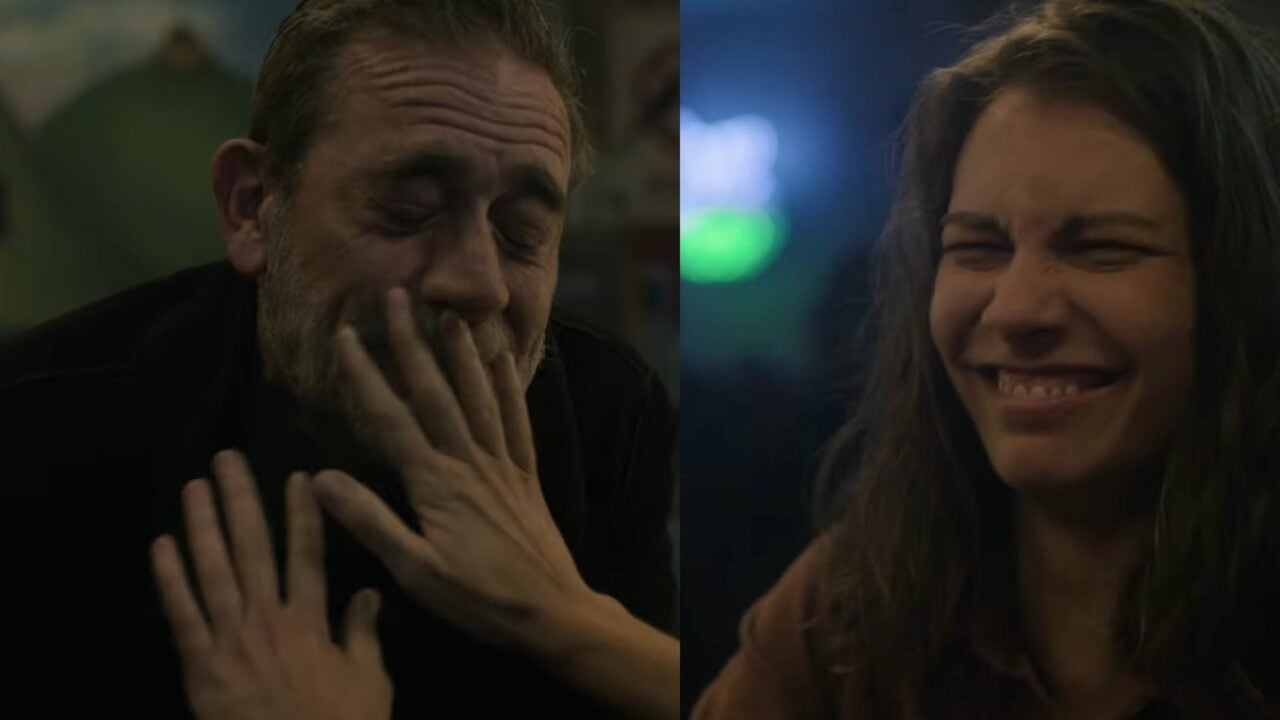
Recent promotional material for the third season of *Dead City* has ignited discussions among fans, particularly through a clip showcasing Negan and Maggie sharing a close and seemingly carefree moment over drinks. Although these playful exchanges may indicate a transformation in their relationship, they provoke mixed responses from viewers, notably those who remember the trauma that marked their initial encounters.
Critics and fans are wrestling with the feasibility of Maggie and Negan developing a stronger bond after years of hostility. When does emotional healing take place? Can these two characters genuinely find comfort in each other following such devastation? The narrative is indeed intricate, as it urges audiences to rethink the potential for forgiveness and companionship in a brutal environment.
#### Fan Reactions and Cultural Relevance
The response to the evolving relationship dynamics has been apparent within the fandom, reflecting a broader conversation about storytelling in long-running series. Numerous fans express perplexity and dissatisfaction regarding the characters’ trajectory, particularly those who may have disengaged from the series after Glenn’s death. Commentary on social media showcases a blend of humor, surprise, and nostalgia as viewers reflect on the characters’ journeys and how much further they might still progress.
Noteworthy is the concern about the absurdity of the shifting dynamics; some fans believe it could diminish the established narrative significance of Glenn’s death, transforming what began as a tale of grief into something resembling “fanfiction.” On the other hand, there is an acknowledgment that character evolution in the realm of *The Walking Dead* often involves transformation, requiring the investigation of unconventional relationships.
#### Looking Ahead
As the launch of *The Walking Dead: Dead City*’s third season draws near, viewers are both eager and curious to see how the writers manage the intricate interactions between Negan and Maggie. With the premiere set for July 26, the unfolding story will likely reignite discussions about loss, redemption, and the essence of survival in a world where past grievances can sometimes yield unexpected alliances.
In summary, the transformation of Maggie and Negan’s relationship stands as a testament to the unpredictable nature of *The Walking Dead* universe, posing challenging queries regarding loyalty and forgiveness. As fans prepare for potential developments in their dynamic, the series keeps pushing the boundaries of perceptions surrounding morality and humanity amid turmoil.