### The Surge of AI-Created Game Replicas: A Fresh Hurdle for Indie Developers
In recent months, the gaming sector has encountered a concerning trend: the swift replication of indie game concepts through artificial intelligence (AI) tools. This issue was prominently showcased earlier this year when Freya Holmér, an indie creator, released a short 50-second video demonstrating a unique take on the iconic puzzle game *Tetris*, wherein the board rotated as players inserted blocks. The idea quickly gained traction on social media. However, shortly after her post, Holmér found numerous clones of her idea surfacing on app stores, crafted by individuals utilizing AI programming tools.
#### The Influence of AI on Game Creation
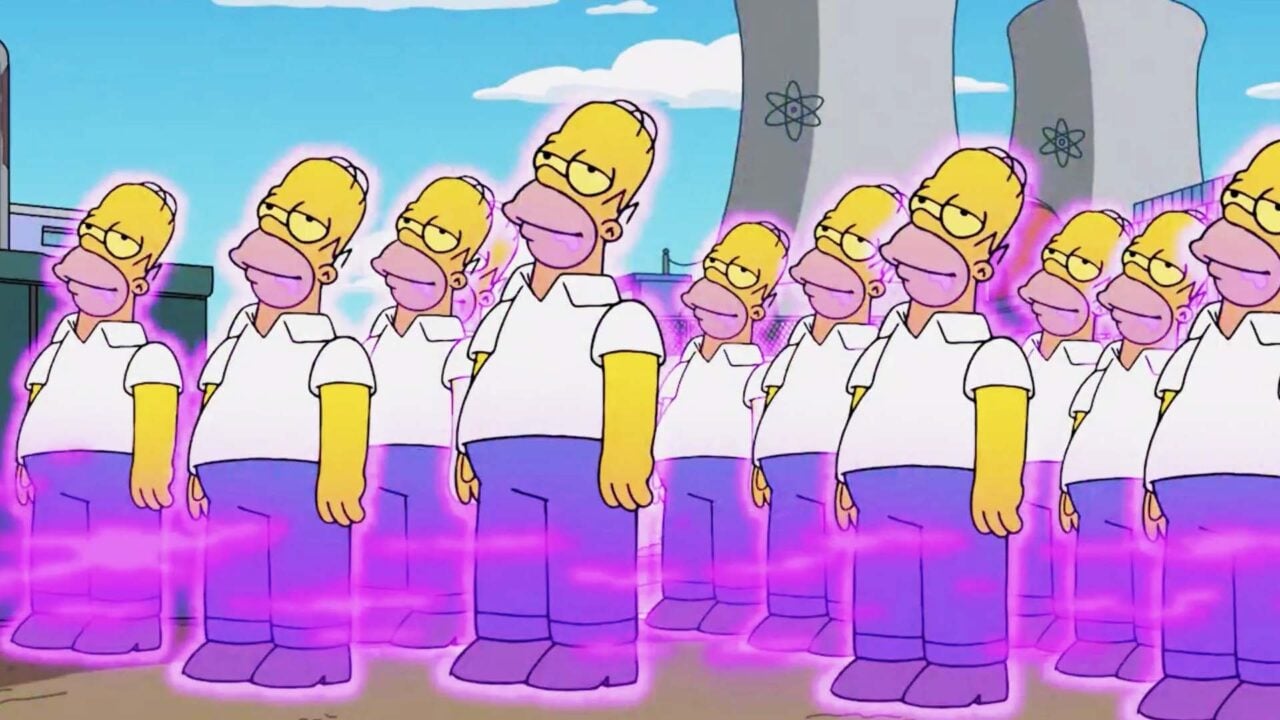
As reported by *404 Media* and journalist Nicole Carpenter, indie developers are increasingly confronting the harsh reality of having their ideas replicated almost instantly. The accessibility of AI tools, such as Claude, enables users to generate playable games that mimic existing titles in a matter of days, resulting in an overwhelming surge of clones in digital marketplaces. This trend poses considerable obstacles for smaller creators, as consumers often struggle to differentiate between original titles and AI-generated imitations.
Charlie Greenman, another developer who observed Holmér’s idea, openly acknowledged that he utilized AI to create his own variant named *Rotris* in under a day. He reportedly showed no hesitation regarding the ethics of his actions. Greenman remarked, “I really could care less about the game… At that point, is one song copying another? Is one game copying another?”
#### Historical Background of Cloning in the Gaming Sector
Cloning in the gaming industry is not a recent phenomenon. Firms like Zynga have faced allegations from major publishers such as EA for supposedly replicating game mechanics and concepts. Nevertheless, the emergence of AI has expedited the cloning process, allowing solo developers to swiftly reproduce and launch versions of popular games. Although these clones may lack the quality or appeal of their originals, they can still draw in players, especially if provided for free or at a minimal cost.
Larger gaming enterprises are also not immune to this trend. Some have embraced similar strategies, as disclosed by a former employee of the company Midnight Works, which has been criticized for inundating digital stores with clones loaded with potentially misappropriated assets. The employee explained that the company’s strategy focused on reconstructing popular games within a few months and releasing them under similar titles to mislead consumers.
#### The Impact on Indie Developers
This rise in AI-driven cloning presents a substantial danger to smaller indie developers. With the surge of clones, successfully navigating the marketplace becomes more complex, prompting many to reconsider sharing their creative concepts. Holmér articulated her concern about posting new ideas, worrying that others would exploit her concepts and profit from them without her permission. “It disincentives me from [posting about my work],” she stated. The simplicity with which AI facilitates idea replication has reduced the perceived worth of creative talent and expertise.
#### Conclusion
The emergence of AI-generated game clones signifies a new phase in the changing landscape of the gaming industry, presenting formidable challenges for indie developers. As AI technology continues to advance and simplify game development, creators must navigate the intricacies of originality and creativity in an arena where cloning is becoming increasingly effortless. The scenario emphasizes the necessity of safeguarding intellectual property, nurturing a supportive community for indie creators, and establishing established ethical standards for the application of AI in game development.