# Love and Deepspace: A Complicated Confluence of Gaming, Community, and Controversy
**Introduction**
Love and Deepspace, created by the Chinese studio Papergames, has become a notable contender in the gaming world, enchanting players globally with its blend of romantic narratives, science fiction themes, and gacha mechanics. While it has achieved over 80 million downloads and generated substantial revenue, the game has also encountered significant controversies, revealing the complexities of its community dynamics and cultural ramifications.
## Community Outcry Over Valko’s Cancellation
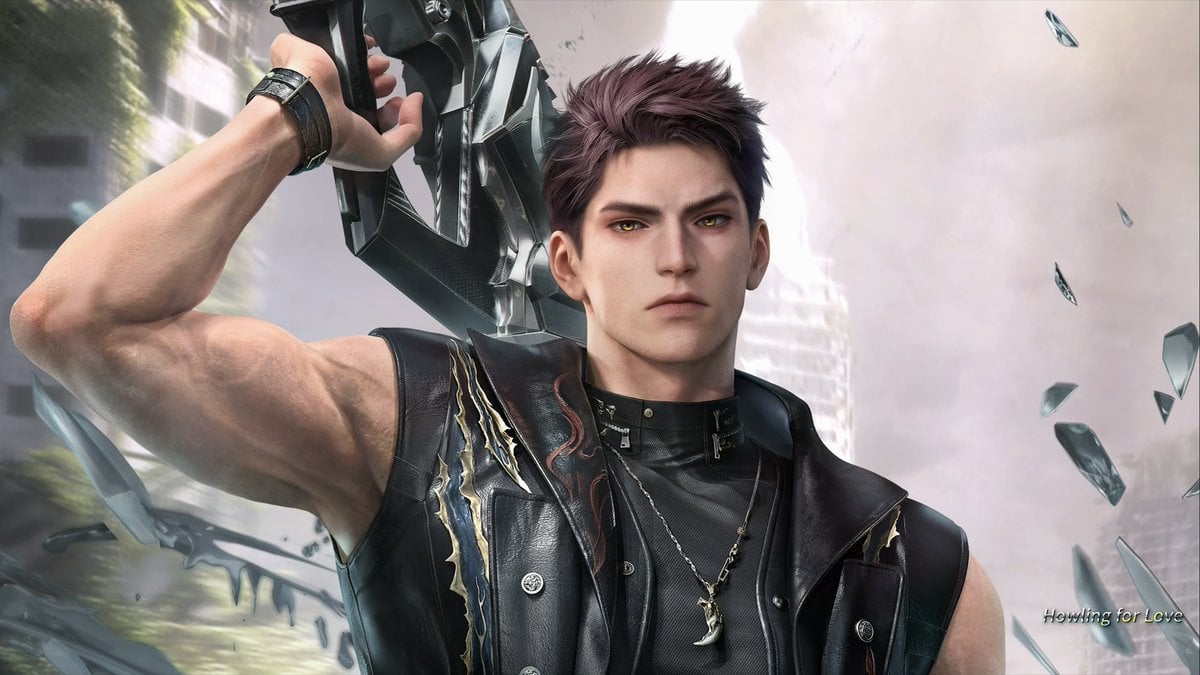
Recently, the game’s introduction of a werewolf love interest named Valko sparked a wave of controversy, resulting in his hasty cancellation. The outcry arose from various factors, including alleged concerns from Chinese authorities regarding how the character’s promotional content was perceived and a broader discourse within the game’s community about inclusivity and representation.
Jessica Cogswell, a journalist for GameSpot, shared her experience covering the game’s second anniversary in New York City, where she recalled being advised to exclude footage of male participants to avoid suggesting that the game embraced LGBTQ+ relationships. This incident highlighted an ongoing friction between the game’s depiction of romance and wider societal norms, especially given China’s stringent regulations concerning media representation of homosexuality.
## Core Issues Within the Community
Despite Love and Deepspace’s financial success, its community endures internal conflict, marked by considerable tensions regarding inclusivity for LGBTQ+ individuals. Official channels within the game restrict content showcasing male-male relationships, cultivating an atmosphere where queer fans, particularly men, often feel alienated or unwelcome.
Kaine, an individual from the queer community within the Love and Deepspace fandom, expressed a yearning for a space where all gamers, regardless of their orientation, could converge. This aspiration faces opposition from a vocal segment of the fanbase, who perceive the presence of queer men as an intrusion into what they consider a female-centric realm. Such feelings are further intensified by incidents of targeted harassment directed at queer individuals engaging with the game’s content.
## Conflicting Messaging and the Queer Perspective
Discussions surrounding the game’s characters expose a fundamental disconnection between the developer’s intentions and the community’s interpretations. The cancellation of Valko was seen by many as a repudiation of queer representation, igniting dialogue about the wider implications of his design and how it catered to both Western and queer audiences. Some fans have pointed out that numerous love interests in the game could easily attract queer men, yet the official stance indicates a hesitance to acknowledge this demographic within their marketing and community interactions.
The game’s mechanics, designed to cultivate emotional bonds through gacha systems, introduce additional hurdles. Critics have observed that these elements can emotionally manipulate players, particularly those seeking companionship or affirmation, leading to a parasocial relationship that complicates community dynamics.
## Navigating Cultural Limitations
Papergames’ dual challenge of adhering to local censorship laws while appealing to a global audience adds further complexity. While it is understandable that a Chinese company would exercise caution in portraying LGBTQ+ content due to potential backlash, fans have protested against what seems to be the active exclusion of queer voices. Many argue that the game’s global commercial success should motivate a more inclusive approach.
The disparity between the game’s sexually suggestive content and its discomfort with queer representation creates a paradox that fans are struggling to reconcile. As the gaming industry becomes increasingly globalized, such contradictions underscore the challenges developers face in navigating cultural sensitivities while accommodating the diverse expectations of their audiences.
## Conclusion: A Community Pursuing Inclusion
Despite the hurdles, a vibrant community of queer fans continues to thrive around Love and Deepspace, often establishing their own inclusive spaces apart from official channels. However, persistent tensions surrounding representational politics continue to fracture the fanbase. As the game progresses, it remains uncertain whether the developers will adapt to the varied needs of their player community or continue to grapple with the ramifications of their cultural narrative both locally and globally. The outcome will not only impact Love and Deepspace but may also establish a precedent for how future games approach inclusivity in a multicultural gaming landscape.