**Unity 7: A Comprehensive Look at Unity’s Latest Game Development Platform**
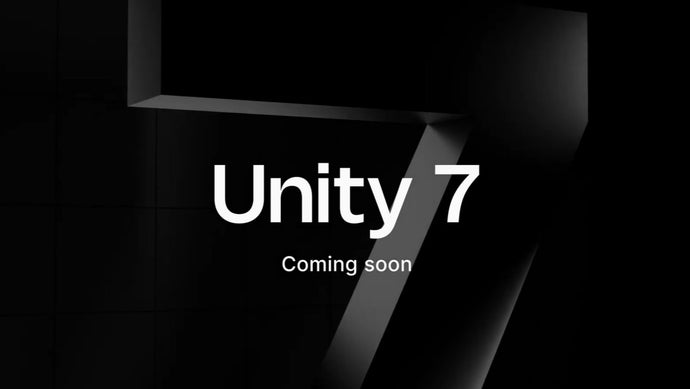
Unity Technologies has recently announced Unity 7, marking a significant advancement in their game creation platform. This newest iteration promises to maintain the integrity of previous versions while introducing new features aimed at enhancing the development experience.
One of the most appealing aspects of Unity 7 is the commitment to compatibility with existing Unity projects. Developers can rest assured that all projects, skills, and code developed in Unity 6 will transition seamlessly into the new environment. This announcement, described at Unite Seoul, has been likened to a divine assurance for developers who feared the need for extensive rework after years of development.
The past few years were tumultuous for Unity, highlighted by a controversial plan in 2023 to charge developers a fee each time a game was installed. Following a backlash from the developer community, Unity reversed this decision, but not without causing a significant blow to its reputation. Concurrently, the company had been undergoing layoffs and restructuring as it adapted to the shifting landscape of the gaming industry post-COVID.
Unity 7 is positioned as a “direct continuation” of its predecessor, Unity 6, with early beta testing slated for December 2026 and a full release expected in early 2027. The platform will adopt CoreCLR as its default scripting backend, promising faster Play Mode startup times and improved shader compilation. A notable addition is the global illumination system, Surface Cache GI, designed to enhance lighting fidelity in dynamic environments.
A significant feature of Unity 7 is the enhanced command line interface and public application programming interface (API). This allows external developers and collaborators to validate assets, push builds, and communicate through their own tools. Artists could receive deep links to entire project components, enabling them to make adjustments via a web dashboard without needing full editor access. This feature facilitates smoother collaboration between artists and engineers, streamlining the creative process.
Unity 7 also introduces a “model context protocol” designed to integrate generative AI coding agents directly with the engine. However, Unity’s approach to generative AI appears more reserved compared to other platforms like Epic’s Unreal Engine 6. While acknowledging the evolving collaborative landscape of game development, Unity emphasizes that teams are not required to rely on AI tools, offering flexibility in their use.
Additionally, Unity 7 will include Vector, a suite of tools focused on commerce and monetization. This offers developers the capability to create a no-code webshop, expanding the revenue potential for game creators.
Developer responses to the Unity 7 announcement have generally been positive. Notable figures in the industry have expressed cautious optimism, indicating that the platform’s focus on maintaining core functionalities while introducing new tools is a promising direction.
In summary, Unity 7 aims to build on the strengths of Unity 6 while addressing the needs of modern developers. The combination of backward compatibility, enhanced collaboration tools, and the integration of new technology positions Unity 7 as an exciting step forward in game development.