**Title: The Intricacies of Infant Design in Paralives: Balancing Aesthetics and Realism in Life-Simulation Games**
**Introduction**
Within the genre of life simulation games, few titles have generated as much interest and debate as *Paralives*, a game that aims to offer a new alternative to the well-established franchise, *The Sims*. In contrast to larger studios, *Paralives* is developed by an independent team that seeks to foster a gaming experience that resonates with the community. A standout feature of *Paralives* is its family-building mechanics, enabling players to form families from the ground up—finding partners, marrying, and raising children. However, the visual portrayal of the game’s infants has stirred conversations among players, with some expressing that the designs did not meet their expectations.
**Player Reactions to Infant Designs**
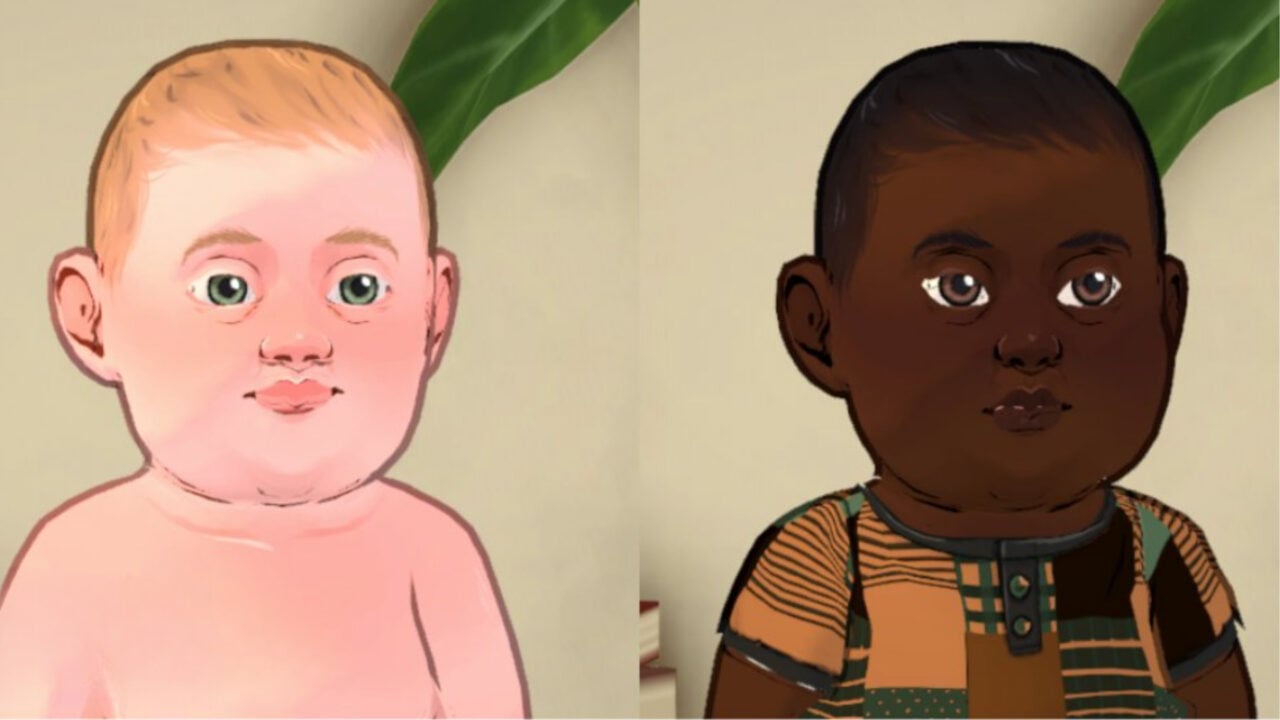
Numerous players have humorously critiqued the look of infants in *Paralives*, comparing them to characters reminiscent of well-known figures like Bobby Hill. Comments noted that the babies bore a striking similarity to older stereotypical representations, lacking the innocent characteristics generally associated with newborns. Attributes such as droopy eyes and disproportionately tiny features prompted remarks about infants appearing to carry the weight of adult responsibilities—complete with imagined duties like mortgages and employment.
The aesthetic design of game characters greatly impacts player immersion and emotional ties to the virtual world, making feedback on the infants’ designs especially significant. The exaggerated features—like tiny eyes and oversized heads—stood in stark contrast to players’ expectations of how infants should look. This disparity led to the impression that the babies seemed older than intended, lacking the typical joy found in the expressions of real young children.
**Developer Response and Updates**
In response to community feedback, the developers of *Paralives* have been actively addressing player concerns regarding the aesthetics of infants. They have publicly acknowledged the issue, reassuring players that improvements to the visual representation of babies are on the horizon. In a tweet from July 28, 2026, they provided a preview of the revamped designs, demonstrating their dedication to accommodating player input and enhancing the overall experience.
This update is expected to be implemented in the upcoming patch in early August, aiming to align the visual appearance of virtual infants with conventional characteristics of babies. This response illustrates a contemporary trend in gaming, where interaction between developers and the community plays a vital role in a game’s development.
**Community Sentiment and Nostalgia**
While numerous players are enthusiastic about the updates, some have shown a fondness for the original designs. A segment of the community enjoyed the quirky appeal of the initial infant designs, drawing connections to medieval art styles that reflect an old-world charm. This sentiment highlights the varied opinions among players, showcasing how artistic decisions can resonate differently across a broad audience.
**Conclusion**
The evolution of *Paralives* highlights the persistent challenges of character design within life simulation games, specifically concerning players’ perceptions and emotional connections with their virtual families. As the game progresses, the delicate balance between realistic portrayal and artistic expression continues to be crucial. The proactive stance of the *Paralives* team in responding to player feedback may ultimately reshape the game’s reception and foster a more robust community around this promising title. As updates are released, players will be attentively observing how these modifications influence their experiences in building their virtual families.