**Japan’s Apprehensions Regarding U.S. Political Engagement with Cultural Franchises**
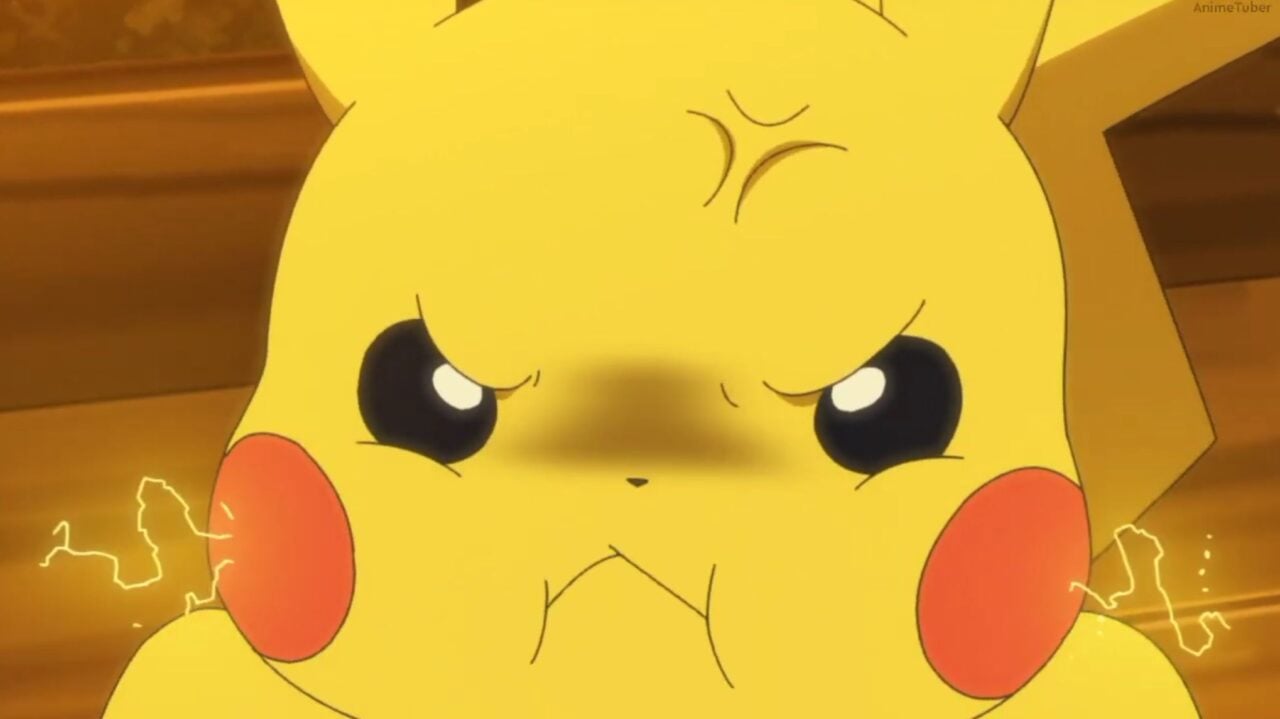
Recent articles have brought to light increasing worries from Japanese government representatives concerning the employment of well-known cultural franchises such as Pokémon, Nintendo, and Naruto within U.S. political discussions, especially by the Trump administration. As reported by the Mainichi Shimbun, officials from the Japanese Foreign Ministry have made several appeals asking the U.S. to avoid utilizing these treasured franchises in political communications, a perspective reiterated as recently as June.
The social media tactics of the White House have garnered notice for their efforts to reach a younger, online audience through the use of popular culture references. This has involved crafting memes that parody or feature elements from cherished Japanese intellectual properties (IP) to support varying political objectives. Observers have commented that this tactic may appear inauthentic, comparing it to a cringeworthy endeavor to relate to “fellow kids” rather than engaging in serious dialogue.
A notably unsettling example took place in September 2025 when the Department of Homeland Security released a video that included the classic Pokémon theme song paired with visuals of ICE arrests. Similarly, a video posted by the White House’s X account this past March displayed missile strikes in Iran alongside clips from Wii Sports, further amplified by the use of the Pokémon Pokopia text generator for a “Make America Great Again” post. These occurrences have spurred outrage among fans and stakeholders associated with these franchises.
In reaction to the unauthorized usage of their material, The Pokémon Company released a statement distancing themselves from any involvement and confirming that the Trump administration did not request approval to use their content. The fallout has ignited conversations within Japan about safeguarding the integrity of their cultural exports from political misuse.
As anxieties rise regarding the potential degradation of these iconic franchises, the Japanese government seems to pursue proactive measures. In the absence of substantial legal actions or interventions from major firms like Nintendo, which have the means to contest such practices, the fusion of political branding with Japanese cultural properties is expected to continue, raising ethical dilemmas concerning the convergence of entertainment and political messaging.