### The Intersection of AI and Game Development: Insights from Sean Murray
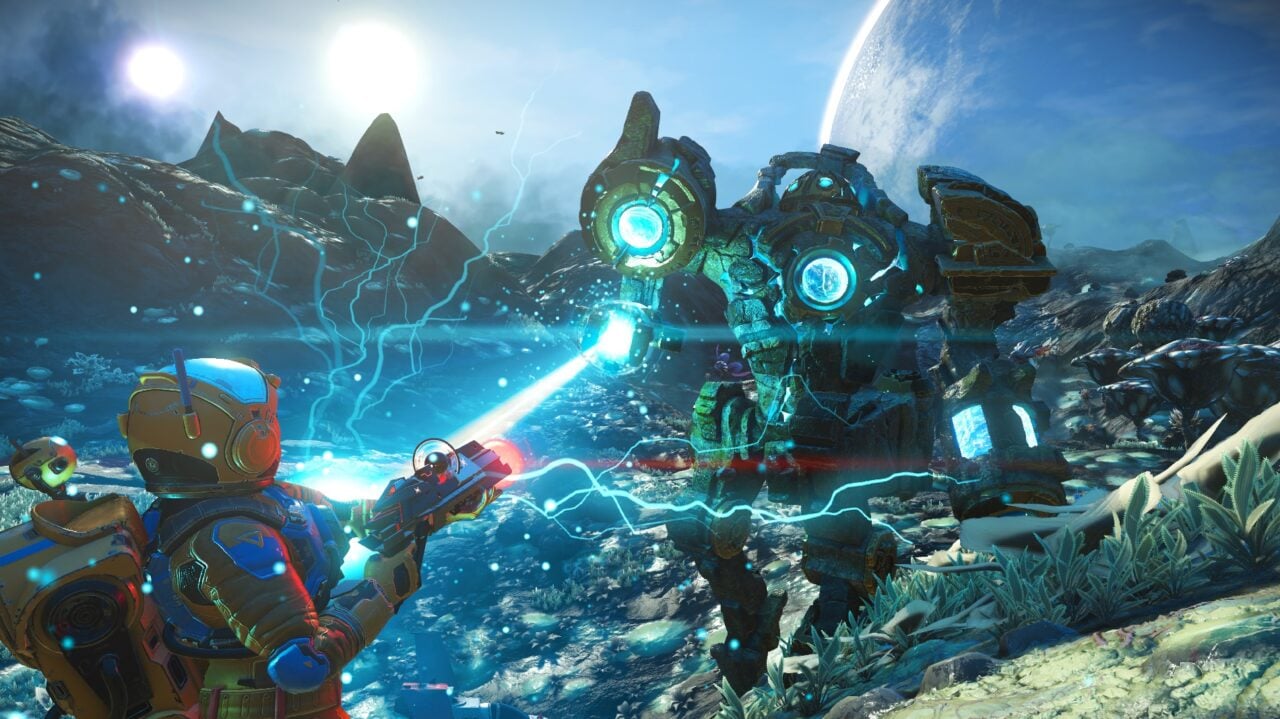
When *No Man’s Sky* debuted, its appeal was rooted in its deployment of sophisticated algorithms to construct a vast universe, vastly exceeding what any single player could discover in a lifetime. Fast forward a decade, and the gaming sector is experiencing a surge of technological advancements that are set to transform development, especially via generative AI and extensive language models. Nevertheless, Sean Murray, managing director of Hello Games, is adopting a measured stance towards these groundbreaking technologies.
In a recent discussion with *Kotaku*, Murray shared his reflections on navigating the aftermath of the COVID-19 pandemic, underscoring the difficulties of leading a game development studio during chaotic times. This experience has influenced his approach to incorporating new technologies. Instead of hastily embedding generative AI into Hello Games’ processes, he advocates for a more observant position. Murray remarked, “Let’s just hold back, stay working from home, and let everyone else f*ck it up,” suggesting a desire to glean insights from the errors faced by others in the industry.
His hesitation to dive into the AI landscape starkly contrasts with other firms, such as Electronic Arts (EA), which has been outspoken about utilizing new technologies to ease financial strains, especially following its acquisition by Saudi Arabia in a $55 billion arrangement. Conversely, Murray remains doubtful about the assertions of transformative changes presented by AI. He voiced skepticism regarding the long-term viability of such guarantees, stating, “Cool, good luck. You know, let’s see how that works out. I will watch from afar.”
Murray believes that the core of game development—the invention and effort involved in crafting captivating experiences—will likely stay unchanged by AI progress. He argues that the intricacies and hurdles of game design will persist. “Making video games is really hard,” he emphasizes, recognizing that while technology may provide support, it cannot erase the fundamental challenges developers encounter in producing enjoyable gameplay.
As new titles like the *Tomb Raider* remake and *Crazy Taxi* have come to light, concerns regarding the role of generative AI in their creation have sparked backlash among fans. Many players worry about potential declines in quality as developers struggle to articulate the tangible advantages of integrating AI into their workflows. This ongoing dialogue reflects the industry’s challenge in striking a balance between innovation and technical integrity.
Murray anticipates that in the near future, the industry will establish a more defined standard for AI integration within game development. His priority remains on nurturing an environment that emphasizes the creative process and pleasure of game-making at Hello Games. He insists that their conventional approach continues to yield fruitful outcomes.
In conclusion, while generative AI and emerging technologies present significant possibilities for the future of gaming, Sean Murray’s insights serve as a reminder of the fundamental principles that should steer the industry—a dedication to creativity, quality, and the labor inherent in game development. As the landscape evolves, it will be essential to observe how these technologies impact the industry.