### **Exploring Project Looking Glass: An Indie Horror Game Experience**
As the clock approaches the end of the workday, some seek comfort in familiar tasks, while others like to challenge their curiosity, especially when it comes to unique gaming experiences. One such adventure is found in the indie horror game, *Project Looking Glass*. Developed by MORPH, this title invites players into a surreal world steeped in themes of loss and experimental horror during the Cold War era.
#### **Overview and Setting**
*Project Looking Glass* places players in the shoes of a grieving woman immersed in secret experiments involving astral projection. This core narrative sets the stage for a gameplay experience that merges psychological horror with exploration and puzzle-solving. Players navigate through enigmatic environments that challenge both their problem-solving skills and their grasp of reality.
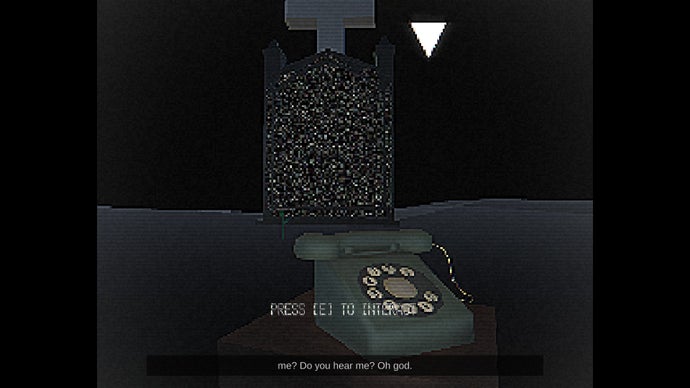
The game starts in a vivid, blinding field of flowers next to an intriguing black slab. Interacting with the slab triggers an inversion of colors and perceptions, leading players into a confined space marked by a padlocked door and a solitary television set. Slowly, the game leads you down a rabbit hole of confusion and eerie atmospheres, with each interaction uncovering further layers of its haunting storyline.
#### **Gameplay Mechanics**
The gameplay in *Project Looking Glass* is notably open-ended, allowing players the freedom to explore and discover at their own pace. The puzzles, while challenging, are intricately designed, often requiring players to collect audio logs and decipher clues scattered throughout the game. However, the retro CRT graphics might add a layer of difficulty, as clarity suffers in the midst of the game’s atmospheric presentation.
The game spans a demo duration of 40 minutes, during which players can delve into its peculiar world. The haunting visuals are paired with an unsettling soundtrack, creating an immersive experience that accentuates the game’s eerie undertone. However, players should be mindful of the game’s mature themes, including portrayals of death by hanging within the opening areas.
#### **Developer’s Vision**
MORPH, the solo indie developer behind *Project Looking Glass*, emphasizes a personal touch in their creations. On Steam, they express a heartfelt ambition to craft games that resonate with their own artistic vision. Their background as a musician and visual artist informs the unique aesthetic and emotional resonance found within the game. The developer forewarns players about the game’s bleak ending, setting expectations for an impactful narrative experience.
#### **Similar Titles and Further Exploration**
For those who find enjoyment in *Project Looking Glass*, other titles such as *Eclipsium* may also pique interest, offering a blend of horror and exploration with a more intense approach to themes of dread and survival.
In conclusion, *Project Looking Glass* serves not just as a game, but as an exploration of the human psyche through the lens of horror and mystery. It challenges players to confront their fears and navigate through an unsettling world, all while grappling with deep emotional undertones. For those seeking an unconventional and thought-provoking gaming experience, *Project Looking Glass* is well worth the time left in the workday.