## Marvel Tōkon: Fighting Souls – An Abundance of Fighting Game Allusions
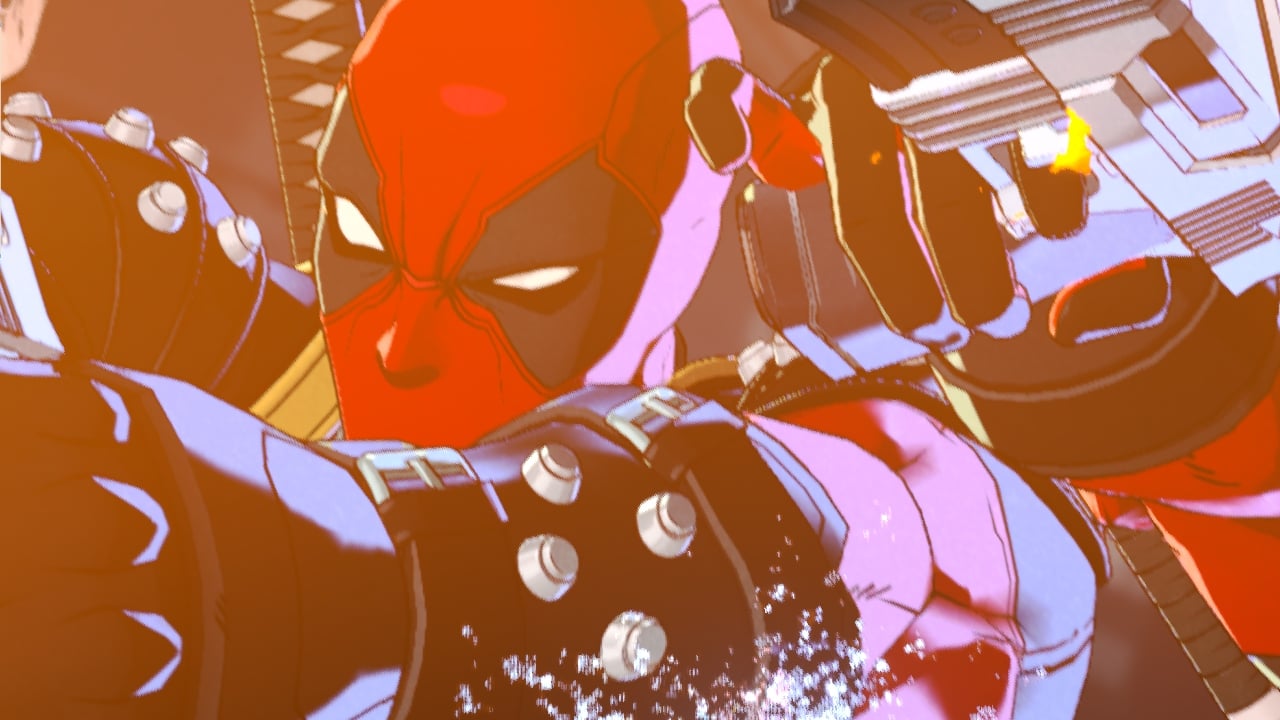
Prior to the release of **[Marvel Tōkon: Fighting Souls](https://kotaku.com/marvel-tokon-fighting-souls-pc-patch-performance-steam-2000723166)**, passionate enthusiasts discovered a multitude of fighting game allusions embedded within Deadpool’s character guide. Renowned for his fourth-wall-shattering antics, Wade Wilson’s persona reflects a complex tapestry of nods not only to the Marvel Universe but also to the rich history of the fighting game scene.
### Significant Allusions in Deadpool’s Arsenal
YouTuber Dan Allen Gaming has put together videos that highlight these thrilling discoveries, illustrating that Deadpool’s move set is a tribute to characters from a variety of classic fighting game franchises. References from **Street Fighter**, **Mortal Kombat**, and **Tekken** are merely the beginning, with further allusions to titles produced by Arc System Works, including **Guilty Gear** and **Dragon Ball FighterZ**.
Here are some notable features from Deadpool’s extensive collection of references:
### Dropping an Arcade Cabinet on Rivals Like Liu Kang / Woshige’s Notorious EVO Mistake
In the **Mortal Kombat** franchise, Liu Kang’s fatality involves him crushing victims with a collapsing arcade cabinet. Conversely, Deadpool’s version humorously has him toppling adversaries with a less serious touch, displaying a level of restraint suitable for a T-rated game. This scene also alludes to the **2015 EVO moment**, where **Guilty Gear Xrd Sign** competitor Woshige prematurely celebrated a win. Deadpool mimics this pop-off before hastily trying to inflict damage with the arcade cabinet—a reference to Woshige’s unforgettable mistake at EVO.
### The Theatrical Fall of **Fatal Fury**’s Geese Howard
Deadpool’s theatrical descent while airborne pays tribute to a memorable scene from **Fatal Fury**, in which Geese Howard dramatically tumbles from a tall structure. This reference captures the spirit of dramatic moments in fighting games, enriching the way characters encounter defeat in **Tōkon**.
### Cell’s Intro Emulated with Practical Effects
Taking cues from **Dragon Ball FighterZ**, Deadpool’s opening animation echoes Cell’s formidable aura as he powers up. Rather than a mystical energy display, Deadpool comically chooses a fireworks backdrop, maintaining the playful essence of his character while cleverly referencing a cherished villainous transformation.
### A Long-Forgotten PlayStation Icon
Deadpool also hurls Polygon Man, an obscure PlayStation mascot from the ’90s, who has garnered a cult following. Initially pushed aside for more prominent characters, Polygon Man’s presence in **Tōkon** signifies the game’s whimsical approach to gaming history, enhancing the character’s array of projectile attacks with nostalgia.
### Deadpool PAWNCH
Another remarkable reference features Deadpool’s variation of Captain Falcon’s **Falcon Punch** from **Super Smash Bros.** This connection highlights the crossover essence of fighting games, with Deadpool’s rendition providing a comedic twist on a powerful move that doesn’t quite have the same impactful resonance as the original.
### Friend Zone
Deadpool’s escapades include a segment where he poses a “heart hand” with various characters, who fail to reciprocate, humorously dubbing it as “Friend zone.” This moment references a popular image of FGC star Justin Wong, reinforcing the community’s culture within the game.
### “Let’s Go, Wade”
Lastly, during the activation of Deadpool’s super move, he shouts “Let’s go, Wade!” This phrase is a clever nod to the legendary **EVO Moment 37**, where Justin Wong had his Super Art move expertly parried by Daigo Umehara. The chant resonates through the annals of competitive gaming, adding a layer of meta-narrative to Deadpool’s chaotic fighting demeanor.
### Conclusion
Marvel Tōkon: Fighting Souls acts as a tribute not only to the Marvel universe but also to the expansive domain of fighting games. Deadpool’s character is intricately crafted with references that will amuse both seasoned fighting game players and newcomers alike, making it a remarkable entry in the genre’s continuously evolving legacy. The astute use of nostalgia, humor, and innovative gameplay mechanics guarantees that fanservice is seamlessly integrated with captivating gameplay experiences.