**Twitch’s Controversial Use of Streamed Content for AI Training**
Livestreaming platform Twitch has come under fire after acknowledging that it utilizes streamed content to train generative AI models developed by its parent company, Amazon. The revelation sparked significant backlash among content creators and viewers alike, especially following Twitch’s announcement of an opt-out toggle for users—buried within the platform’s security settings and set to allow AI data collection by default.
Twitch’s Chief Product Officer, Mike Minton, alongside Head of Community, Mary Kish, addressed the situation in a recent livestream. Minton confirmed that streamed videos are being used for model training but admitted uncertainty regarding whether users’ personal data is also being included in the data scrapping process. This lack of clarity raises concerns about the extent of the data collection and its implications for users.
Despite the announcement, many users reported not receiving any notifications about their participation in Amazon’s AI training program upon logging into their accounts. The opt-out option is not readily accessible and does not exempt users from other AI-supported features Twitch is implementing. While some of these features may consist of benign machine learning applications, the broader concern revolves around the ethical implications of content scraping.
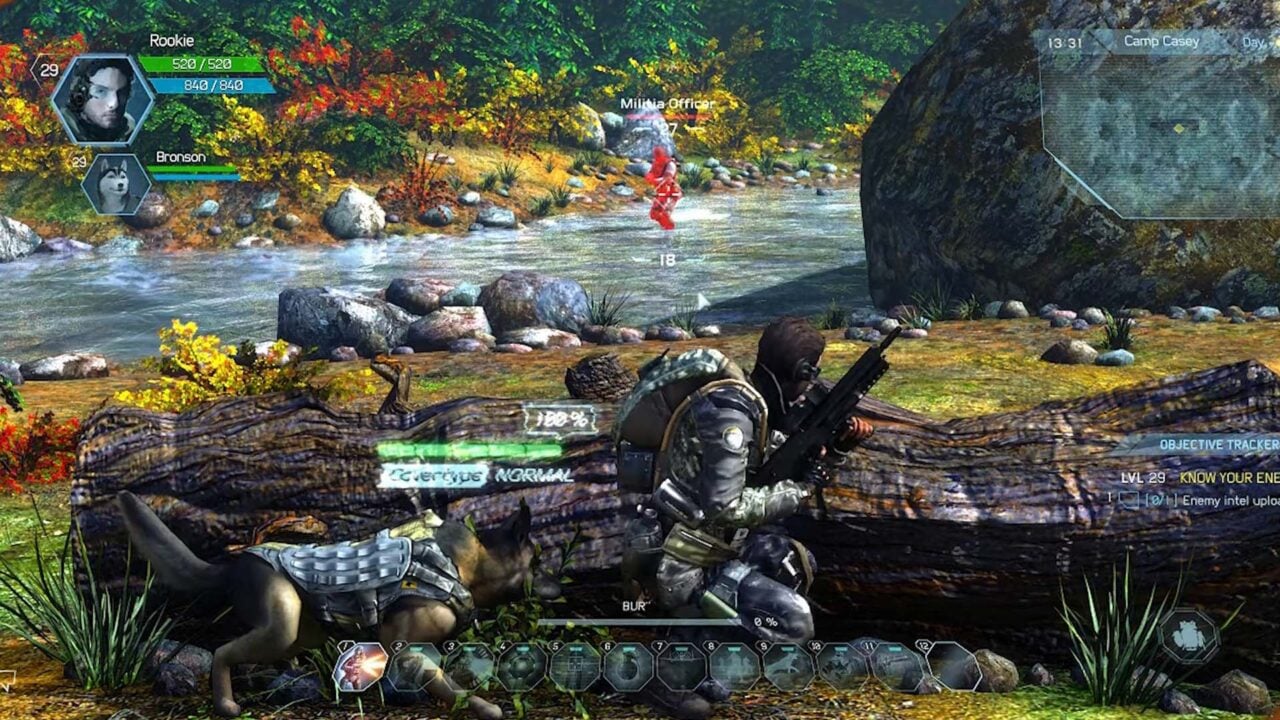
The primary concern is the potential copyright issues that could arise from using game footage without proper consent from copyright holders. The current relationship between streamers and game publishers is built on a foundation of mutual benefit, where streamers garner publicity and compensation for showcasing games, while publishers gain exposure and marketing benefits. However, Twitch’s new policy seems to suggest that rights holders might permit their content to be used for profit without receiving any equivalent benefit—a prospect that could jeopardize this fragile ecosystem.
Additionally, the legality of using content featuring unionized voice actors becomes pertinent, as many of these actors have contracts that restrict their performances from being utilized in AI training models. This could create further tensions between creators, publishers, and tech companies.
Critics argue that Amazon’s approach reflects a lack of regard for community standards and the rights of individual content creators. The general sentiment among streamers is one of distrust towards the company’s motivations and an awareness that the potential of AI technology could be misused at the expense of artists and creators.
Despite this controversy, Twitch emphasizes the importance of allowing users to opt out, with Minton acknowledging the likelihood that an opt-in model would not be favored by users. As the debate around data privacy, copyright, and the role of AI in content creation continues to evolve, content creators are left grappling with the ramifications of these policies while seeking to protect their rights and livelihoods in the digital landscape.