**Grand Theft Auto: The New Video Game Sovereignty**
A recent announcement from the NPD Group underscores a notable change in the video game domain, validating what many have felt: the legendary *Grand Theft Auto* franchise has surpassed Mario as the supreme ruler of video games. As per NPD’s assessment, *Grand Theft Auto: Vice City* ascended as the top-selling game in the United States for 2002, closely followed by its forerunner, *Grand Theft Auto III*. This pair from Rockstar Games eclipsed other significant titles such as *Madden NFL 2003*, *Kingdom Hearts*, and *Super Mario Sunshine*, the latter concluding the year in a lackluster 10th position, despite being the first 3D installment in the Mario series since *Super Mario 64*.
The information indicates a pivotal change in gaming demographics and preferences. The video game realm increasingly leans towards mature, gritty narratives rather than lighthearted adventures, as shown by the rising popularity of games like *Grand Theft Auto*. As players who grew up enjoying Nintendo’s family-oriented games mature, their preferences appear to tilt towards more adult themes and intricate storytelling. This transformation prompts the question: should Nintendo adjust to this evolving market and delve into more mature content for its flagship character, Mario?
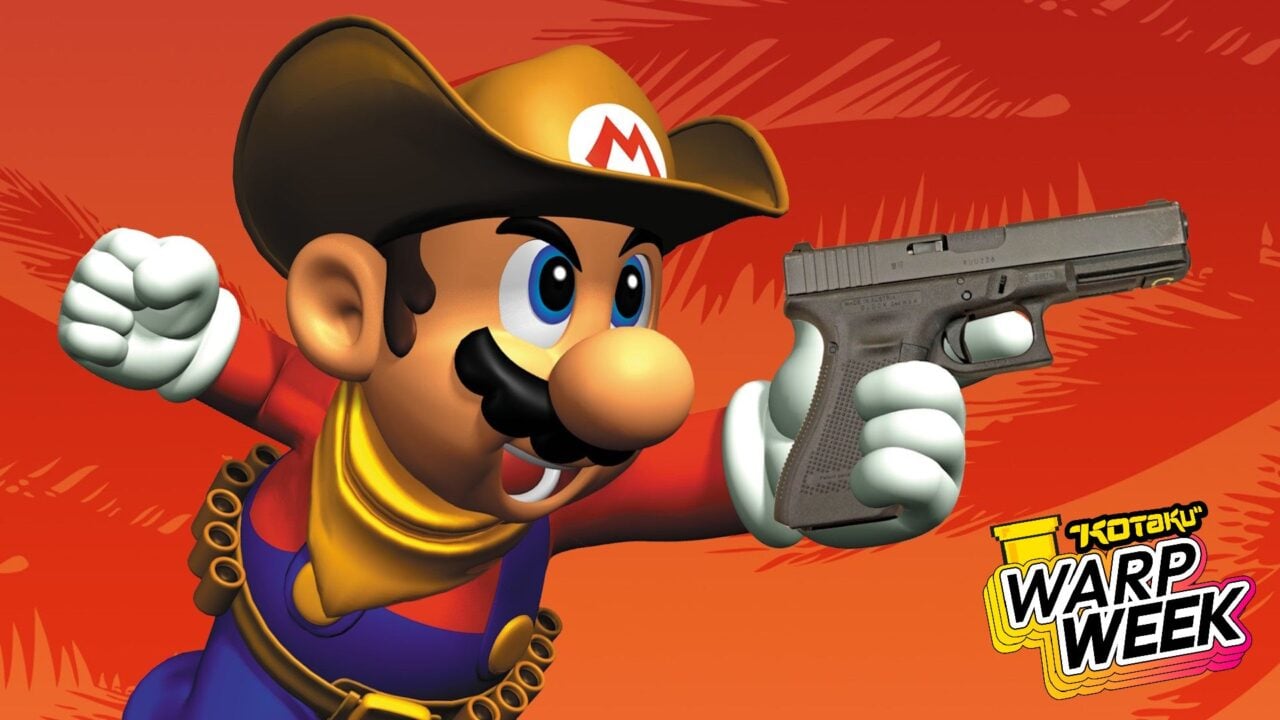
Envision a scenario where Mario is plunged into a shadowy underworld. In this speculative storyline, Princess Peach is tragically slain during a failed kidnapping, and Mario suspects his longtime adversary, Bowser, is involved. The tale unfolds in a gritty underworld of the Mushroom Kingdom, where Mario, wielding firearms, embarks on a quest for revenge against Bowser and his criminal syndicate. This imagined narrative contrasts Mario’s traditional image with a raw, intense storyline, where vengeance, violence, and urban crime take prominence. The concept presents Mario as a dark antihero, resonating with themes from crime dramas like *The Sopranos*.
Although atypical for the beloved plumber, this transformation presents fascinating prospects for the franchise. While some may contend that this shift could alienate longstanding fans, others argue it might rekindle interest in a disillusioned adult audience, providing a fresh outlook on a beloved character. The incorporation of mature themes in gameplay mechanics has previously demonstrated success, as observed with *Donkey Kong 64*, which thrived in part due to its more aggressive gameplay elements, despite its seemingly cheerful exterior.
Historically, Nintendo has been a frontrunner in the gaming arena, but Sony’s emphasis on mature content has fostered a different expectation among gamers. As the industry advances, engaging the adult demographic may necessitate a reassessment of classic franchises. If handled thoughtfully, portraying Mario in a darker, more mature manner could not only revitalize interest in the character but also pave the way for gameplay innovations.
In summary, as gaming preferences trend towards realism and adult themes, there is a strong argument for Nintendo to rethink Mario’s place in the gaming sphere. Taking daring measures to infuse Mario with a more mature narrative could resonate with a generation of players yearning for depth and complexity in their gaming experiences. The moment may be ideal for Mario to trade his iconic overalls for something a bit more perilous—and perhaps even embrace the grit of a contemporary crime saga.