**Kingdom Hearts: A Door We May Find Difficult to Shut**
*Kingdom Hearts* has unlocked a door that seems increasingly tough to shut, stirring a blend of nostalgia and unease among players and analysts alike. This franchise, featuring the youthful hero, Sora, armed with a magical Keyblade, sets off on grand quests through various Disney realms alongside beloved figures such as Donald Duck and Goofy. Despite its fanciful premise, the triumph of intertwining *Final Fantasy* elements with the rich fabric of Disney worlds raises troubling questions about the future of video games and narrative.
At its essence, *Kingdom Hearts*, crafted by Square Soft under Tetsuya Nomura’s direction, departs from conventional RPG mechanics to forge a hybrid experience that merges turn-based combat with real-time action. Players meet Sora, who battles the forces of darkness known as Heartless as he journeys through enchanting realms inspired by Disney classics from *Tarzan* to *Aladdin*. Throughout the adventure, the game stresses themes of friendship and exploration, resonating with players of all ages.
Nevertheless, the core element of this children’s game that has received praise as a groundbreaking title in gaming might spark discomfort. The blend of properties feels unsettling, converting characters and settings from beloved tales into a commercial crossover. While nostalgic episodes may ignite excitement, a tension arises from the smooth integration of corporate-owned images for commercial aims, questioning the authenticity of the stories that first enthralled audiences.
The delight of a crossover, like the *Power Rangers Wild Force* “Forever Red” episode, brings back fond memories. It serves as a heartfelt reminder of childhood creativity without the burden of commercialization. In contrast, *Kingdom Hearts* instills a deep sense of discomfort as it promotes corporate synergy through a crafted narrative that, while magical, seems weighed down by commercial interests.
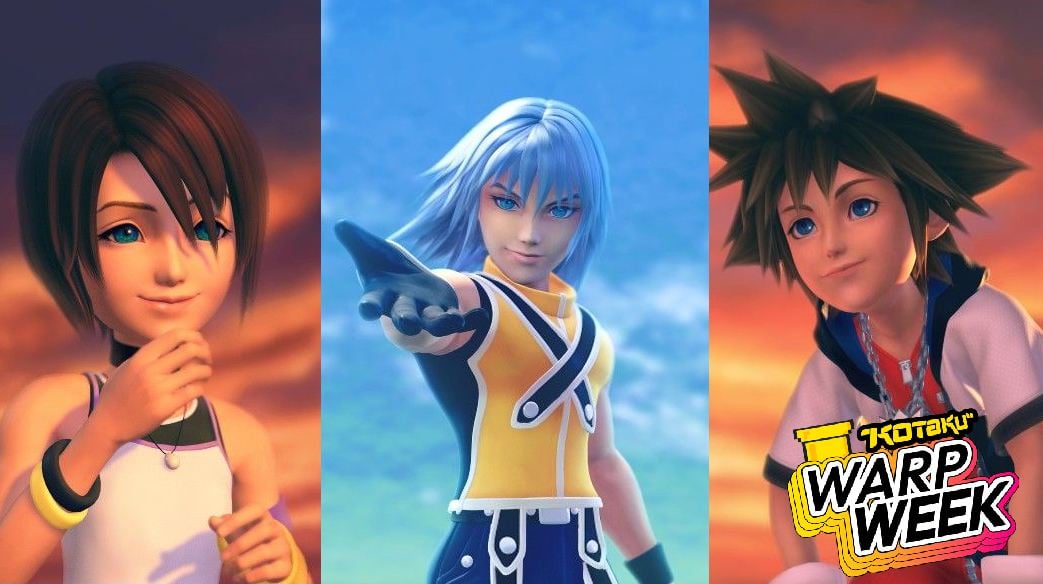
*Kingdom Hearts* showcases a masterful fusion of mediums, marking it as a rare achievement among licensed games; yet, this triumph carries a complex legacy. Although the characters Sora, Kairi, and Riku could have independently driven the plot, their dependency on Disney icons—and consequently, their brand power—introduces a layer of insincerity to the fundamental messages regarding good, evil, and the inherent nuances of friendship.
The franchise’s growth raises worries about its prospective future trajectory. As a cherished series ventures further into corporate realms, one might wonder how much it will favor narrative richness over commercial sustainability. The possibility of *Kingdom Hearts* transforming into a collage of imagery, stripped of cohesive storytelling, evokes apprehension among purists who value the art of video game narrative.
In the end, despite these apprehensions, one cannot ignore the genuine soul at the heart of *Kingdom Hearts*. Its endeavor to convey messages of love, acceptance, and redemption highlights a heartfelt attempt to connect with a younger audience. In a significant moment, Sora confronts darkness wielding the power of friendship, culminating in a spirited victory. The emotional depth of such instances resonates with the core of storytelling and the bond formed between characters and players alike.
However, as we honor the sincere messages woven into the game’s essence, it is wise to remain alert to the influences sculpting its future. The danger resides in *Kingdom Hearts* evolving from a vibrant narrative into a tool for corporate profit, potentially stripping it of its core values. Will its heart persist, or will it merely become a vessel for profit?
As we explore the lasting appeal and ramifications of *Kingdom Hearts*, the balance between nostalgia-fueled storytelling and corporate motives remains fragile. The series acts as both a symbol of creative potential and a cautionary narrative of commercialization, prompting fans to reflect on the true price of its success.