**Metro 2039: A Return to the Roots of Gloom and Grit**
As the latest installment in the Metro franchise, *Metro 2039* emerges under the dedicated watch of Ukrainian developers 4A Games, promising a return to the series’ beloved stylistic roots. After an engaging couple of hours with the game, it’s clear that *Metro 2039* encapsulates a distinctive hybrid experience—melding the eerie, claustrophobic atmosphere reminiscent of *Metro 2033* and *Metro: Last Light* with the more expansive, exploration-friendly elements introduced in *Metro Exodus*.
### Atmospheric Tone and Setting
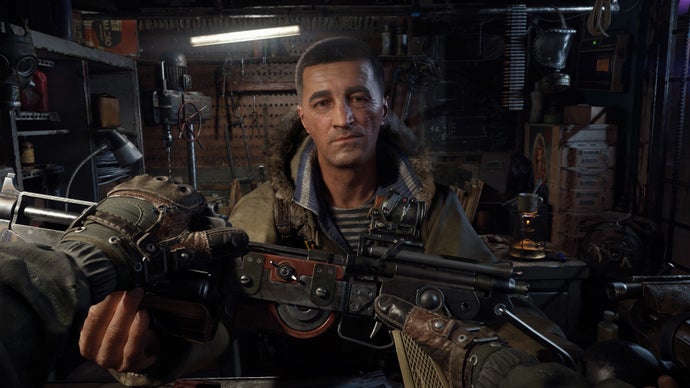
The initial dive into *Metro 2039* takes players into Sevastopolskaya, an underground village with incredible detail and an oppressive atmosphere that has become a trademark of the series. The game’s depiction of the surface remains a haunting landscape—a desolate wasteland that effectively juxtaposes the somber interior environments. The sounds—be it the strums of an acoustic guitar or the unsettling ticks of a Geiger counter—serve to immerse players fully into this bleak new chapter.
### Combat Mechanics and Gameplay Dynamics
The gameplay experience feels fundamentally grounded, with a notable tightening of gunplay compared to *Metro Exodus*. Players can look forward to a variety of weapons, including a formidable compressed air rifle, which stands out for its capability in silent takedowns and quick dispatching of threats. However, much of the combat in the demo revisits familiar patterns from previous titles, featuring corridor combat that, while functional, does not greatly innovate on the established mechanics.
A notable shift in gameplay occurs during a psychological horror sequence set in an abandoned school. This sequence introduces puzzle-solving elements where players navigate a spectral atmosphere that plays on classic horror tropes. However, reactions to this section may vary, as it leans heavily on well-worn ghostly themes.
### Exploration and Resource Management
A highlight of the demo is the retained essence of open-world exploration within a linear narrative structure. The demo features a cityscape of shattered Moscow, providing players with optional paths for scavenging and resource gathering. This aspect adds depth, as players can venture into dangerous territory—for instance, a building inhabited by the Humanimals—to harvest useful supplies. These choices emphasize a strategic component, urging players to balance risk with resource acquisition.
Resource management has evidently evolved; players will find themselves in situations where every scrap of material counts, and choices about resource allocation become crucial. The crafting system from *Metro Exodus* persists, allowing players to create necessary supplies, though dilemmas about resource utilization add an extra layer of tension not always present in its predecessors.
### Themes and Political Undertones
Beyond the signature survival horror elements, *Metro 2039* appears poised to tackle more profound social commentary. Drawing on historical narratives and reflecting current global conflicts, the game may offer a rare AAA shooter perspective that critiques real-world issues rather than glorifying them. This thematic depth represents a bold step forward for the franchise, suggesting that *Metro 2039* could be both a gripping engagement and a relevant critique of contemporary circumstances.
### Conclusion
While *Metro 2039* retraces familiar thematic and gameplay elements, it enhances them with new layers and a renewed political fervor. As players are plunged into the struggles of survival amid beautifully desolate environments, the anticipation is that the full release will deliver more of what makes the Metro series compelling—an immersive experience that blends horror, tension, and a reflection on the human condition. The potential for growth, particularly in narrative and gameplay innovation, leaves players eager for further exploration of this post-apocalyptic world.