**Examining Ethics and Outcomes in *Fable*: The Liberty to Eliminate NPCs**
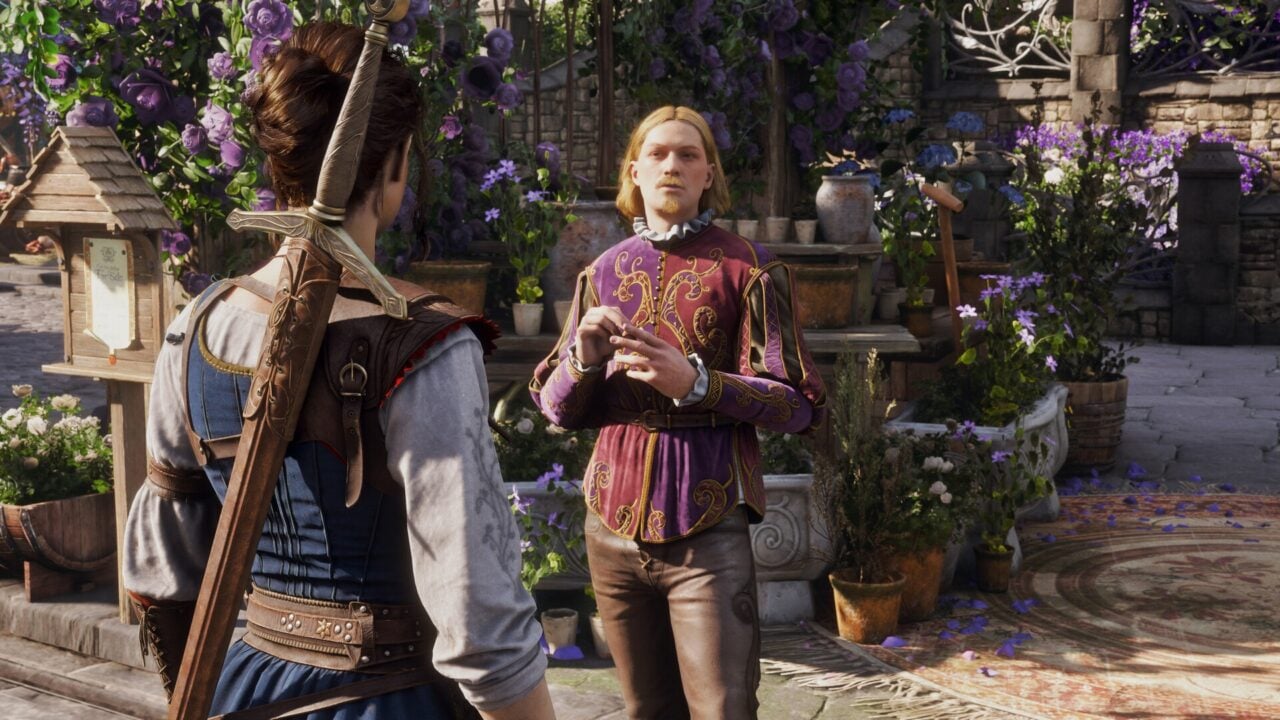
The *Fable* series has consistently been recognized for its focus on player choices, especially regarding ethical dilemmas. With the impending release, Playground Games has elevated this idea by granting players the disconcerting liberty to eliminate any non-player character (NPC) within the game, introducing a fascinating dimension of gameplay that diverges from conventional gaming practices.
At Gamescom 2026, Ralph Fulton, co-founder of Playground Games and director for the upcoming *Fable*, affirmed that players certainly have the option to completely clear the game world of inhabitants. “Yes, you could definitely get it down to zero living beings,” Fulton remarked, even though he recognized the logistical difficulties of removing residents from extensive areas like Bowerstone, the primary town in the game. In smaller communities, though, it is significantly more feasible.
A crucial aspect of this gameplay includes the immediate response from NPCs when violence occurs. Upon witnessing a homicide, characters will scatter in fright, and guards will rush to the scene to apprehend the offender, acting as a safeguard against such disorderly conduct. Fulton emphasizes that while guards will continuously respawn, there’s technically nothing preventing players from engaging in mass killings, although it carries substantial in-game repercussions.
The act of killing NPCs carries enduring consequences that extend beyond the momentary turmoil. For instance, if a player eliminates a merchant, they forfeit access to that store. This realistic portrayal of NPC interactions illustrates a world that functions autonomously from the player’s actions; lives and daily routines are interrupted when the player intervenes. “It’s kind of on you,” Fulton stresses, underscoring the idea that player choices significantly influence the game’s ecosystem.
Moreover, *Fable* unveils a sophisticated morality framework that strays from the simplistic good-or-evil dichotomy seen in earlier titles. In Albion, reputation is context-sensitive; players may be considered villains in one location while regarded as heroes in another, facilitating a deeper exploration of morality. Players receive descriptors reflecting their character’s ethics, such as “charismatic” or “violent,” that evolve based on their decisions and the views of nearby NPCs.
This subjective morality system seeks to challenge players’ interpretations of right and wrong. As Fulton clarifies, “There just wasn’t any objective good or objective evil.” This perspective is mirrored in the varying moral assessments made by different characters in the game world. Players can now forge a distinct mix of descriptors, personifying intricate moral identities, such as being a “charismatic thief.”
Additionally, players have the option to enact less overtly aggressive methods to influence the population, like financially destabilizing individuals by raising rents or acquiring properties. Fulton pointed out playtesters who made NPCs homeless through manipulative real estate strategies. Each community has been meticulously designed with scenarios in mind that could lead NPCs to end up without homes, revealing the developers’ consideration of the repercussions of player actions.
Regarding endgame incentives, players are drawn by substantial rewards for their real estate activities, such as the chance to buy extravagant mansions and unique items. While they can choose to invest in lively areas and assist in transforming them into thriving communities, these transformations often occur subtly, allowing players to navigate the economy without overtly changing the physical environment.
Ultimately, the capability to extinguish all NPCs exemplifies the ambitious vision of the *Fable* series. Playground Games has created a vibrant world where even the most wicked choices yield meaningful effects, as players might find themselves contending with the stark realities of their moral choices, whether regarding reputation or economic impact. By facilitating an exploration of both honor and depravity, *Fable* invites players to immerse themselves in intricate storytelling, where the repercussions of every action resonate throughout the world.