### The Controversial Marketing of Left 4 Dead 2: A Behind-the-Scenes Look
**Introduction**
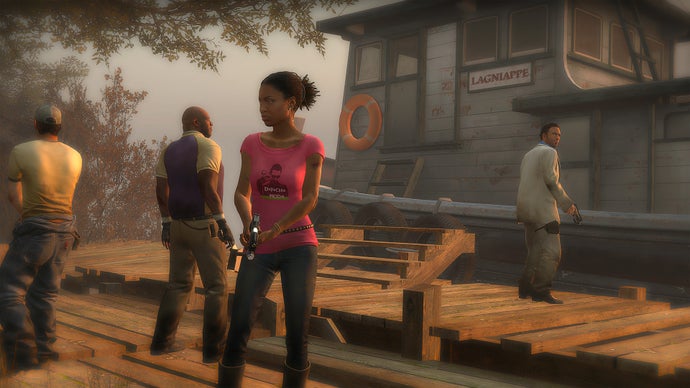
Left 4 Dead 2, a cooperative first-person shooter game developed by Valve, has become a beloved title since its release. However, behind its ultimate success lies an intriguing tale related to its marketing. The game’s initial cinematic trailer faced significant hurdles due to restrictions from the Entertainment Software Ratings Board (ESRB), leading Valve to take the unconventional step of leaking the trailer themselves. This article explores the challenges Valve encountered and the creative solutions they adopted.
**The Rating Dilemma**
Valve, renowned for its innovation in the gaming industry, found itself embroiled in a struggle regarding the game’s content. Chet Faliszek, a designer of Left 4 Dead and a former writer at Valve, revealed that the company faced intense scrutiny over profanity and violence within the game. Faliszek explained, “You have to remember, especially during Left 4 Dead 1 and Left 4 Dead 2 time, Valve was in fights with the ESRB, with Australia, with Germany, with a bunch of countries about the profanity in the game, or the violence.”
The difficulties stemmed from the ESRB’s stringent guidelines which not only applied to the game itself but also extended to its marketing materials. This led to conflicts regarding the use of explicit language and depictions of violence in the trailers. To navigate these challenges, Valve’s legal team intervened, advising the writers to avoid crossing any lines with profanity, particularly F-bombs.
**The Decision to Leak**
With the ESRB’s restrictions preventing the official release of the cinematic trailer for Left 4 Dead 2, Valve needed a workaround to still promote their highly anticipated sequel. Faliszek candidly explained that the company’s lawyers were cautious, impeding their creative freedom when it came to the game’s marketing. As a result, Valve took the bold step of leaking the trailer ahead of its planned release. Faliszek reminisced, “I’ll just admit that, I don’t think we can get in trouble for that now, it was like 20 years ago.”
This decision highlights not only the risks involved in game marketing but also the lengths developers might go to ensure their product stands out in a competitive environment. The leaked trailer ultimately served its purpose, generating excitement and buzz around the game despite the ambiguities surrounding its official release.
**Conclusion**
The saga surrounding the marketing of Left 4 Dead 2 is a fascinating glimpse into the challenges game developers face with regulatory bodies. It underscores the delicate balancing act between creative expression and compliance with industry standards. Valve’s willingness to leak their own trailer rather than compromise their vision demonstrates their commitment to delivering an authentic gaming experience, ultimately contributing to the cult status Left 4 Dead 2 enjoys today.