**The Development of Tracer in Overwatch: From Icon to Supporting Character**
In the vibrant realm of *Overwatch*, a game that has become synonymous with cooperative shooting, Tracer, the time-traveling British heroine, initially took center stage as the face of the franchise. Over time, however, the rise of newer heroes, such as Kiriko and Juno, has redirected attention from Tracer, making her presence in the game and its marketing feel a bit overshadowed. This article delves into Tracer’s beginnings, her path within the *Overwatch* lore, and the debates that once surrounded her character’s design.
### A Concise Background on Tracer
Launched as one of the main characters when *Overwatch* debuted in 2016, Tracer quickly became a beloved figure owing to her unique personality, whimsical nature, and signature catchphrase, “Cheers, love! The cavalry’s here!” As the game’s original hero, she frequently featured in promotional visuals, trailers, and even the cinematic shorts that won over gamers.
### Debate Over Character Design
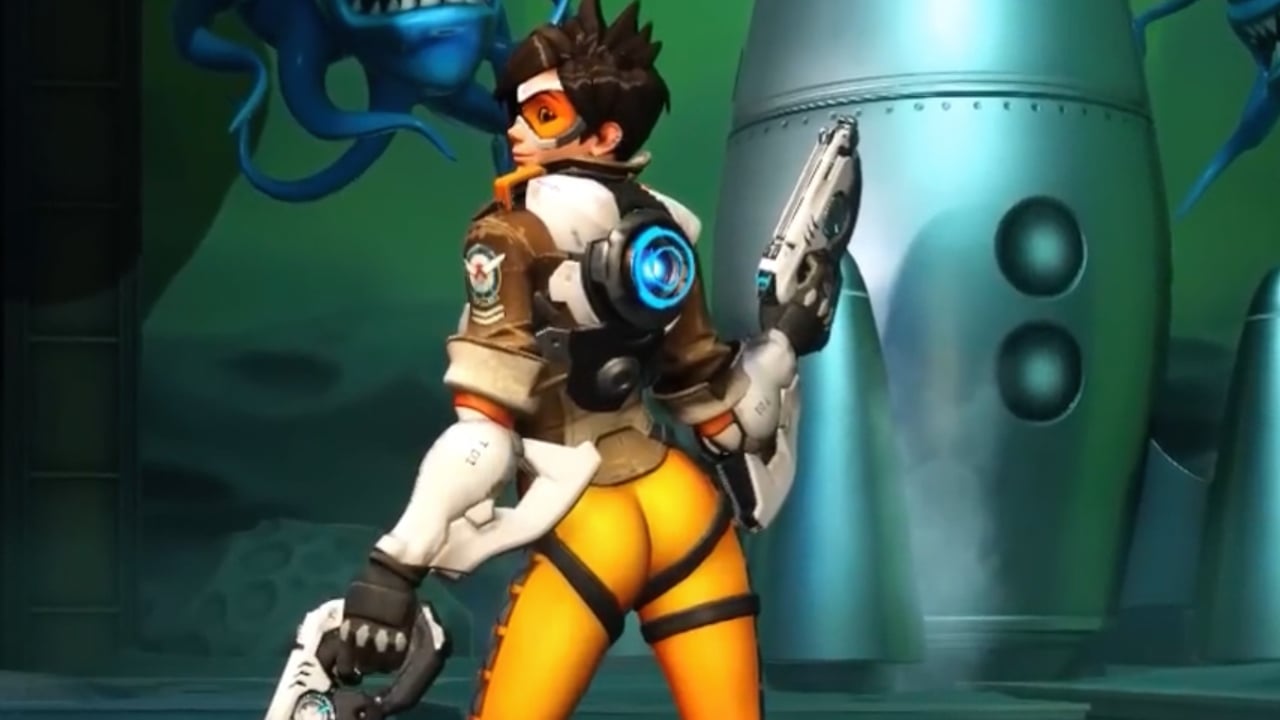
Notwithstanding her fame, Tracer’s character encountered scrutiny early in her journey, especially concerning her design features. One significant incident took place when Blizzard removed a particular victory pose that highlighted her physique, which was criticized by a portion of the fanbase for its sexualization. This sparked conversations about the representation of female characters in video games and the developers’ obligations in this context.
Years later, speculation about this event continues to float among fans, giving rise to a phenomenon akin to the Mandela Effect. Many players are convinced that Blizzard modified Tracer’s design to “nerf” her iconic butt, a claim that Jeff Kaplan, the original game director of *Overwatch*, has addressed. In a recent broadcast, Kaplan decisively stated, “We actually didn’t nerf Tracer’s butt. It stayed exactly the same.” This clarification has sparked renewed discussions about how the community perceives game changes and narratives through a changing lens.
### Tracer’s Ongoing Role in Overwatch
While Tracer may not command the promotional spotlight as she once did, her design and character traits are still essential to the *Overwatch* identity. Her aesthetic has kept continuity through various skins, reflecting the game’s dedication to character evolution. In *Overwatch 2*, Tracer retains her recognizable outline, albeit with slight adjustments in how her win poses honor her form, showcasing the balance between character appreciation and community feedback.
### Future Prospects: New Characters and Changes
As *Overwatch* gears up to unveil its 51st hero, Sierra, and revamps existing characters like Anran, fans remain engaged with the franchise’s ongoing transformation. This new season is poised to highlight how Blizzard aims to keep *Overwatch* innovative while navigating the challenges linked to character representation and design. The reception of these changes suggests that the community remains invested in conversations about character identity and the aspects that resonate with players.
### Conclusion
In the ever-changing universe of *Overwatch*, Tracer’s journey reflects both the game’s legacy and the wider discussions regarding character design in the gaming sector. Though she may have taken a step back from the forefront, her legacy persists, reminding players of her significance as a core character and a representation of the community’s shifting expectations. As new heroes emerge, the admiration for Tracer’s contributions continues to thrive, demonstrating that every character’s story is both meaningful and lasting in the hearts of fans.